Hybrid flooring has found its place in modern homes by bringing together the inviting appearance of timber and practical features suited to busy everyday life. Its layered construction, broad choice of finishes and relatively straightforward care make it an appealing option for renovations, open-plan rooms and properties that need to stand up to regular use.
For homeowners such as the fictional Carter family, the decision often begins with a familiar dilemma: how to create a warm, cohesive look across a kitchen, dining area and hallway without choosing a surface that demands constant attention. Hybrid flooring can offer a convincing wood-look flooring style, while some products also provide water resistance and scratch resistance for the small spills and scuffs of daily living.
Hybrid flooring features for modern homes
Hybrid flooring is designed to combine characteristics associated with laminate and vinyl, using several layers to create a stable plank with a decorative surface. The exact construction varies by product, so claims about waterproof flooring, comfort or wear should always be checked against the manufacturer’s specifications.
Timber-inspired style with practical performance
The natural-looking finish is a major part of the appeal. Light oak tones can brighten a compact room, while warm brown shades bring depth to an open-plan living space; grey and darker finishes offer a more contemporary mood. Textured surfaces and varied plank patterns can also help the floor feel less uniform.
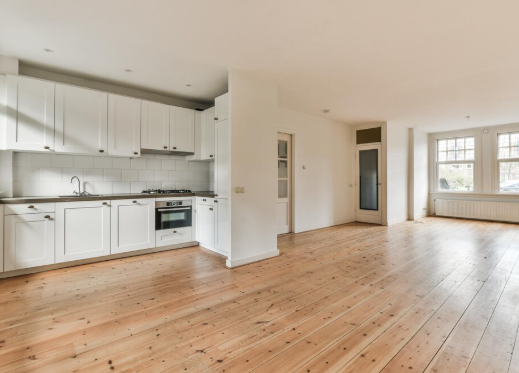
For the Carters, a pale wood-look flooring finish visually connected their kitchen and dining area without using real timber. Hybrid planks can also come in stone-look flooring designs, giving homeowners another route to a clean, modern appearance. In either case, the surface is a designed imitation rather than natural wood or stone, so viewing samples in the actual room can reveal how colours shift in different light.
Everyday wear and cleaning needs
Many hybrid floors are chosen for areas with regular foot traffic, including hallways, kitchens and dining rooms. Their wear layers are designed to protect the decorative surface, but scratch resistance is not the same as being scratch-proof: grit, dragged furniture and sharp objects can still leave marks.
Easy maintenance is another attraction. Regular sweeping or vacuuming and cleaning with a product approved for the floor are usually more suitable than harsh chemicals or excessive water. A product described as waterproof may resist spills across its surface, but seams, edges, installation details and warranty conditions still matter; prompt cleanup remains sensible.
Hybrid flooring choices for different rooms
Once the style is clear, the next question is where the floor will work best. Hybrid flooring is often considered for connected spaces because a consistent finish can make rooms feel more spacious, though the product’s suitability depends on moisture conditions, subfloor type and installation guidance.
These common applications illustrate why homeowners and landlords compare hybrid options with timber, laminate and vinyl:
- Open-plan living areas: A continuous plank finish can visually link the kitchen, dining room and lounge, creating a unified interior design scheme.
- Kitchens and dining rooms: Water-resistant products can be practical around occasional splashes, provided spills are cleaned and the manufacturer approves the use.
- Hallways and entryways: A hard-wearing surface can suit frequent passage, while mats help limit the grit that may scuff the finish.
- Rental and investment properties: A fresh, timber-inspired look can update a home without the upkeep some natural materials require.
For a rental property, appearance is only one part of the decision: the owner should also consider expected traffic, repair options and the requirements of the tenancy. In family homes, rugs and protective pads under furniture can help preserve the surface, whatever the chosen finish.
Room conditions deserve the same attention as colour. Bathrooms, damp basements or spaces exposed to standing water may require products specifically approved for those environments, and no flooring should be treated as a substitute for addressing leaks or persistent moisture.
Hybrid flooring installation and planning
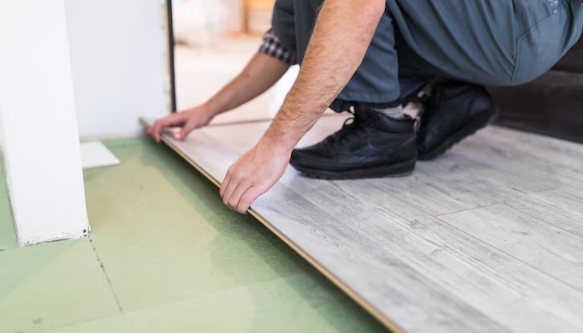
A good result begins below the visible surface. An uneven subfloor can affect how planks fit together and how the finished floor feels underfoot, so preparation should be assessed before installation rather than treated as an afterthought.
Subfloor preparation and fitting requirements
Before choosing a product, check the substrate, moisture conditions, expansion requirements and whether an underlay is included or recommended. Installation methods differ, and following the product instructions helps prevent avoidable problems with movement, gaps or the floor’s performance.
Where levelling is needed, this guide to precise subfloor levelling outlines why a flat base matters for a lasting finish. A qualified installer can inspect the room and identify preparation work before the planks arrive.
Product comparison and project scope
Comparing flooring types is easier when you assess more than appearance. The following table highlights practical distinctions; individual products vary, so use it as a starting point rather than a guarantee.
| Flooring option | Typical appeal | Points to check |
|---|---|---|
| Hybrid flooring | Timber or stone-inspired style with practical everyday performance | Water-resistance claims, wear layer, room suitability and fitting instructions |
| Timber | Natural material with distinctive grain and character | Care needs, moisture exposure and refinishing requirements |
| Laminate | Wide range of decorative finishes | Product-specific moisture limits and surface protection |
| Vinyl | Versatile designs and options for different rooms | Construction, installation method and suitability for the subfloor |
A written quote can clarify the full project scope, including the product, flooring installation, trims and any subfloor preparation. Comparing those details—not just the visible plank—gives homeowners a clearer basis for choosing a suitable floor.
Hybrid flooring is popular because it pairs a welcoming material-inspired appearance with features intended for everyday living, but its performance depends on the product and the quality of preparation. For advice tailored to your rooms, subfloor and installation requirements, consult a flooring professional before making a final selection.