
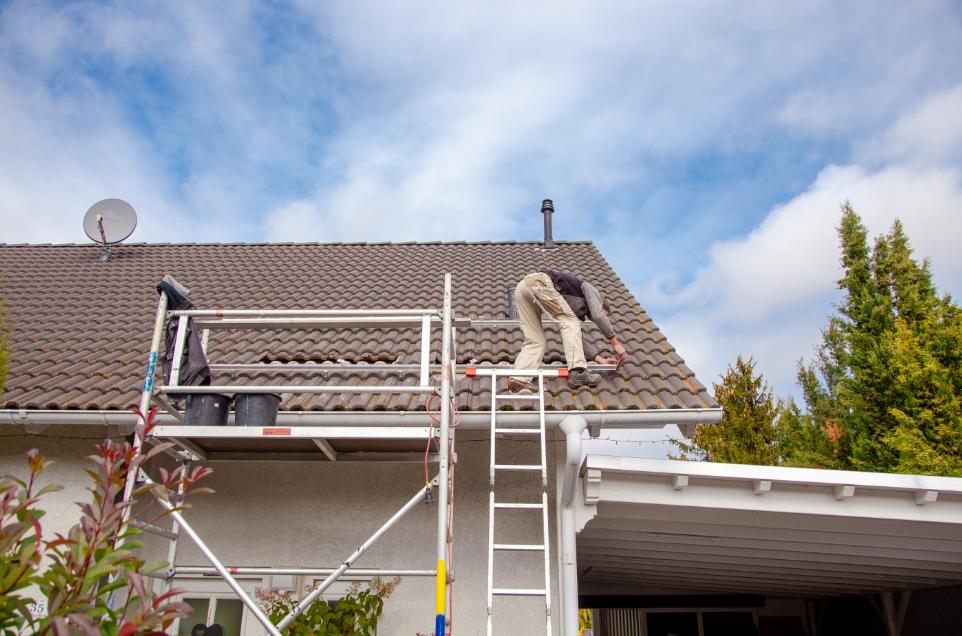
Kwikstage scaffolding has become an essential system in construction, prized for its sturdy, modular build and adaptability. For those embarking on DIY projects involving raised platforms, understanding its structure and benefits is crucial before jumping into use. This system offers more than just convenience; it brings safety and efficiency together, transforming complex tasks into manageable ones.
Kwikstage Scaffolding: A Must-Know for DIY Enthusiasts
This structure relies on prefabricated steel components that interlock swiftly without bolts or nuts, allowing quick assembly. Its robust vertical standards coupled with horizontal ledgers and diagonal braces form a dependable framework, suitable even for challenging sites. For any DIY enthusiast, grasping these basics forms the foundation for safe, effective scaffolding use.
Moreover, kwikstage scaffolding is known for its versatility, ideal for various applications from bricklaying to painting on multi-level structures. Its quick set-up saves time, but without proper safety measures, it can quickly turn hazardous. Recognizing the components and their functions ensures you’re not just working hard but working smart and safe.
In short, understanding Kwikstage is the first step in mastering elevated DIY projects, enabling builders to enjoy the benefits of its robust design while minimizing risks.
Seven Vital Safety Tips DIYers Often Overlook with Kwikstage Scaffolding
Even the best tools fail without proper precautions, and Kwikstage scaffolding is no exception. DIYers sometimes forget crucial safety tips that guarantee stability and protect users on site. To keep every project both productive and accident-free, here are seven safety essentials that shouldn’t be ignored.
1. Rigorous Inspection Before Every Use
Neglecting to check scaffolding components can lead to serious mishaps. Always examine every part for cracks, rust, or deformation before assembly. Damaged pieces undermine stability and increase accident risks, so replace compromised sections immediately to maintain strength.
2. Securing the Base Correctly
A stable base is the bedrock of scaffolding safety. Position your Kwikstage setup on firm, level ground and use base plates or sole boards when working on softer terrains. This prevents sinking or tilting, without which even a perfectly assembled scaffold can falter under weight or wind pressure.
3. Proper Use of Personal Protective Equipment (PPE)
Safety gear isn’t negotiable. Helmets, gloves, harnesses, and slip-resistant footwear must be worn at all times during assembly and use. PPE protects against falls, impacts, and other common construction hazards, providing an essential layer of defense.
4. Don’t Overload the Scaffold Platform
Understanding and respecting the load capacity is vital. Overloading not only risks structural failure but also endangers everyone on site. Distribute materials evenly and remain well within weight limits to maintain scaffold integrity throughout the project.
5. Installation of Guardrails and Toeboards
Guardrails and toeboards are often overlooked but play a crucial role in preventing falls and catching dropped tools or debris. Installing these features ensures a safer working environment, reducing the chance of injuries and costly accidents.
6. Continuous Weather Monitoring
Weather conditions can rapidly change, turning a safe scaffold into a danger zone. Avoid using Kwikstage scaffolding during high winds, heavy rain, or lightning storms. Staying alert to the forecast helps you decide when it’s safest to work or pause the project.
7. Adequate Training for Assembly and Dismantling
Proper training is not just a recommendation but a necessity. Even with user-friendly interlocking components, the correct assembly and dismantling techniques can prevent accidents and structural failures. Invest time in learning or consulting experts to guarantee your setup is safe from start to finish.
Common Applications Where Kwikstage Scaffolding Excels
Knowing where and why Kwikstage scaffolding shines can help DIYers select the right system for their projects. Its strength and adaptability make it perfect for various tasks, ensuring reliable support and safety at every step.
From exterior building works like bricklaying, plastering, and painting to industrial maintenance and facade restoration, Kwikstage scaffolding supports a wide array of activities. It’s particularly favored for structures with challenging designs due to its customizable modularity.
Moreover, applications involving bridge or dam construction benefit from its high load capacity and stability, while mobile versions on wheels ease indoor repositioning for frequent small adjustments. This system truly caters to a broad spectrum of needs, making it a versatile asset for any job site.
For DIYers, selecting Kwikstage scaffolding means choosing an efficient tool that blends safety, strength, and simplicity, adapting seamlessly to various project demands without compromising performance.
Kwikstage vs. Traditional Scaffolding: What DIYers Should Know
Making the right choice between Kwikstage scaffolding and traditional scaffolding can impact project success. Understanding their differences arms you with knowledge to pick the best fit for your needs.
| Feature | Kwikstage Scaffolding | Traditional Scaffolding |
|---|---|---|
| Assembly Speed | Fast, thanks to interlocking system | Slower, uses bolts and nuts |
| Load Capacity | High, suitable for heavy-duty jobs | Moderate, varies by material |
| Durability | Highly durable steel construction | Depends on materials; often less durable |
| Flexibility | Moderate, with some height limitations | Highly adjustable for heights |
| Suitability for Complex Sites | Excellent for irregular layouts | Can be challenging to customize |
| Portability | Mobile versions available | Generally fixed until dismantled |
| Training Requirement | Specialized training recommended | Basic skills often sufficient |
aster Kwikstage for Safe and Efficient DIY Projects
Incorporating Kwikstage scaffolding into your DIY ventures offers outstanding stability and fast assembly, enhancing project efficiency and safety. However, overlooking essential safety tips like inspection, secure base setup, and proper PPE usage could jeopardize the entire operation.
Different variations of this scaffolding system address various site requirements, making it a versatile choice for projects ranging from simple repairs to complex industrial tasks. Understanding the pros and cons compared to traditional systems empowers DIY enthusiasts to select appropriately and act responsibly.
Ensure you invest in adequate training and stay alert to weather changes to maximize safety and performance. These careful steps will lead to successful completions with confidence and minimal risk.
To elevate your DIY work with expert scaffolding solutions? Contact a specialized provider today for professional guidance, rental options, or purchase services tailored to your project scale. Secure your worksite with reliable Kwikstage scaffolding and build smarter, safer, and faster.


