Choosing hair extensions is less about following a trend than finding a match for your hair, your routines and the way you like to feel each day. The right set can add length or volume while blending comfortably into your natural hair; the wrong one may feel heavy, show through at the roots or demand more care than your schedule allows.
Choosing hair extensions for your hair type
Your natural hair sets the foundation for a convincing, comfortable result. Before comparing attachment methods, consider its density, texture, length and condition, since extensions need enough support to sit securely without putting unnecessary strain on your roots.
Matching hair texture and density
For natural-looking extensions, look for a close match in texture as well as colour. Straight extensions can appear disconnected against waves, while a curl pattern that differs from your own may require repeated heat styling to blend. Maya chooses a soft wave that resembles her hair after air-drying, making everyday styling simpler.
Fine hair often benefits from lightweight pieces and a modest increase in volume; adding too much length or weight can make the attachment points visible and stress delicate strands. Thicker hair can usually support fuller additions, though the extension’s density should still blend with the ends of your natural hair.
Assessing hair length and condition
Extensions generally blend more easily when your own hair is long enough to cover their attachment points. If your hair is very short, a professional can assess whether a gradual change in length will look more seamless than adding a dramatic, long set all at once.
Hair that is fragile, shedding heavily or recovering from damage needs particular care. In these cases, avoid treating extensions as a quick fix; first speak with a qualified stylist about whether your hair can support them and which method would create the least tension.
Choosing Extensions for Your Lifestyle
Daily routines matter as much as hair type. Someone who exercises often, swims, or washes their hair daily needs a method that tolerates moisture and movement. A person who prefers a quick morning routine may favour pieces that go on and come off in minutes, while someone who enjoys a set-and-forget approach may accept a longer appointment in exchange for lasting wear.
Ask yourself how much time you can give to brushing, washing, and styling each week. Extensions generally need gentler handling than natural hair, so a low-maintenance routine is a practical starting point.
Attachment Methods Compared
Each method distributes weight differently and suits different habits. The table below summarizes the main options.
| Method | Wear time | Maintenance | Best suited for |
|---|---|---|---|
| Clip-in | Hours to a day | Low | Occasional wear and fine hair |
| Tape-in | Several weeks | Moderate | Everyday wear and flat attachment |
| Sew-in (weft) | Several weeks | Moderate | Thick or textured hair |
| Fusion (bonded) | Several months | Higher | Long-term wear and fuller density |
| Halo | Hours to a day | Low | Quick volume without attachment points |
Human Hair vs Synthetic Fibres
Human hair behaves like natural hair: it can be heat styled, coloured, and cut to blend with your own. It usually lasts longer with proper care, though it requires more attention to washing and conditioning. Synthetic fibres keep their shape with little styling and cost less upfront, but they tolerate heat poorly, tangle more easily, and wear out sooner. Heat-friendly synthetics narrow that gap, though they rarely match the movement of human hair.
Colour Matching and Blending
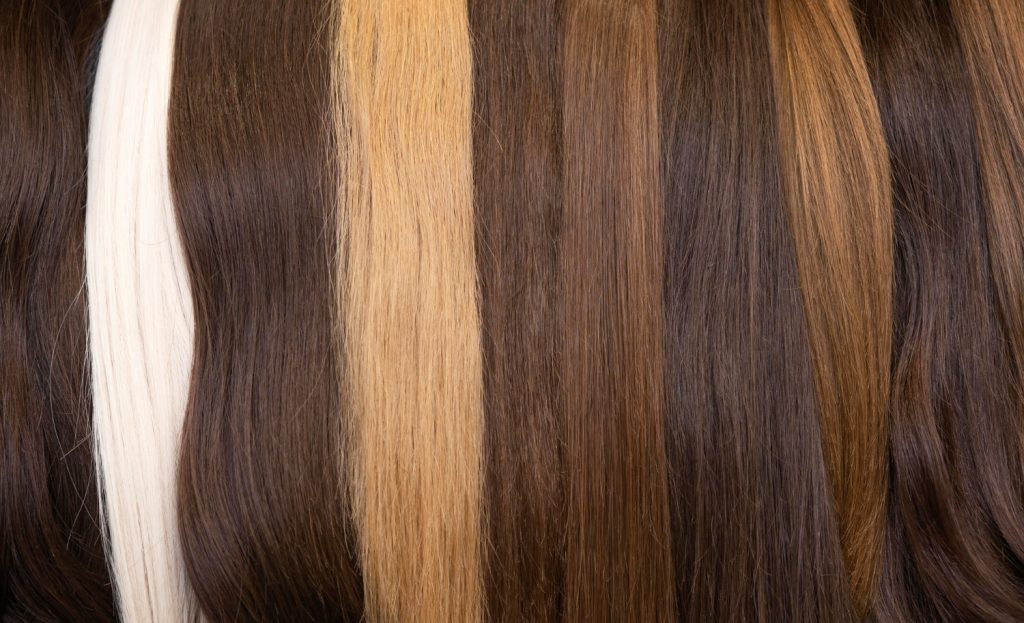
Colour should be judged in daylight, since indoor lighting can distort shades. Natural hair often contains several tones, so a single flat shade may look obvious against it. Consider these points when matching:
- Compare the extension to the mid-lengths and ends, not only the roots
- Choose slightly lighter shades if unsure, as they are easier to tone down
- Ask a stylist to blend or colour the extensions together with your own hair
- Plan for fading, since your natural colour and the extensions age differently
Care Habits That Extend Wear
Good care protects both the extensions and your own hair. Brush gently from the ends upward, using a loop brush or wide-tooth comb designed for the method you chose. Wash with sulphate-free products, avoid applying conditioner near attachment points, and let the hair dry fully before sleeping. A loose braid or silk pillowcase reduces friction overnight.
Schedule maintenance appointments at the interval your stylist recommends, as overdue adjustments can cause matting and tension at the roots.
Consulting a Professional Stylist
A consultation brings these factors together. A qualified stylist can examine your scalp, judge density, test colour under natural light, and recommend a method that respects your hair’s limits. Bring photos of the look you want, along with honest answers about your habits, so the recommendation reflects real life rather than an ideal.
The best hair extensions match your texture, support your routine, and leave your own hair healthy underneath. Taking time to compare methods, materials, and colours prevents disappointment and protects your natural strands. Contact a professionnal to book a consultation and find extensions that suit your hair and lifestyle.