At a stoplight, Maya notices the car beside her has almost-black windows. She wonders whether that shade is legal, whether it would make her own commute more comfortable, and how much visibility she might lose after sunset. Those are sensible questions: auto window tinting can change how a vehicle looks, feels, and performs in bright sunlight, but the right choice depends on more than appearance.
Benefits of auto window tinting for everyday driving
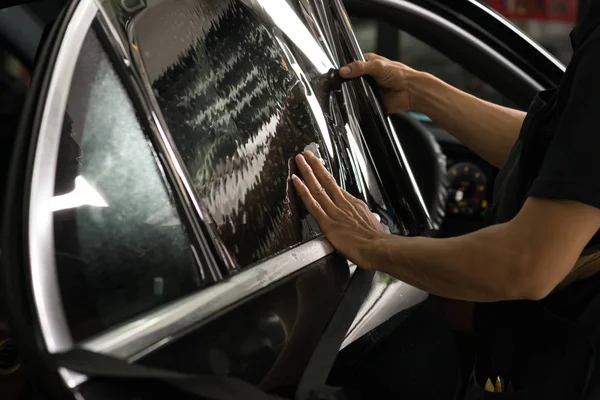
Window tinting is a thin film applied to the inside of vehicle glass. Depending on its construction and shade, it can filter sunlight, soften glare, and make the cabin less exposed to outside view; the benefits are practical, but performance varies by film.
Comfort, UV protection, and interior care
Quality films can block up to 99% of harmful ultraviolet rays, reducing the sun exposure reaching occupants and helping limit fading or cracking on seats, trim, and dashboards. For Maya, who parks outdoors during work, that protection could help her interior age more slowly.
Some films also reject solar energy, which can reduce heat buildup and help the cabin feel more comfortable after the car has been parked in the sun. The effect depends on the product and vehicle, so a darker appearance alone does not guarantee better heat reduction.
Glare, privacy, and safety
By reducing glare from sunlight and bright headlights, tint may ease eye strain on certain journeys. However, a very dark film can make it harder to spot pedestrians, cyclists, or hazards at night, in heavy rain, or on poorly lit roads.
Film can also help hold broken glass together if a window shatters, although it does not make glass unbreakable. Darker rear windows may offer more privacy, but drivers should balance that benefit against visibility and local rules.
Film types and visible light transmission
Film construction influences heat control, clarity, signal performance, and durability. Before choosing a shade, Maya compares the product specifications rather than judging the sample by its appearance alone.
Dyed, carbon, metalized, and ceramic films
Dyed film is often selected for its appearance and privacy, but it may fade over time and generally offers less heat rejection than higher-performing options. Carbon film tends to resist fading and avoids the electronic signal interference associated with some metalized films.
Metalized films reflect some solar energy, though their particles can interfere with GPS, mobile reception, or satellite radio in certain vehicles. Ceramic film uses nonconductive particles and can deliver strong heat and UV performance without the same signal concerns; product quality and specifications still differ by brand.
How VLT relates to tint darkness
Visible light transmission (VLT) is the percentage of visible light that passes through the glass and film together. A lower VLT usually means a darker window: a 70% rating allows much more visible light through than a 20% rating.
Factory-tinted glass can affect the final result when aftermarket film is added, so the installed combination matters. Ask the installer to explain the film’s measured VLT for each window, not simply to apply a shade described as “medium” or “legal.”
To compare options, Maya writes down the features that matter most before speaking with a shop:
- Heat and UV performance documented for the specific film.
- VLT readings suited to each window and the relevant local rules.
- Warranty coverage for fading, peeling, bubbling, and workmanship.
- Potential effects on electronic signals, visibility, and existing factory glass.
Regulations and visibility before installation
Tint regulations differ across jurisdictions and may set separate limits for front side windows, rear side windows, and windshields. Some places allow darker rear glass than front glass, while windshield tint is commonly restricted to a permitted strip near the top.
Checking rules for every window
Before booking, check the current requirements through the relevant government or motor-vehicle authority. Rules may also address reflectivity, vehicle type, inspection requirements, or medical exemptions; a film that is lawful in one state or country may not be lawful where Maya lives or travels.
Drivers who cross borders regularly should check the rules in the places they visit, rather than relying on a shop’s general advice. A noncompliant tint can lead to a citation, an inspection failure, or an order to remove the film, so written confirmation is worth the effort.
Matching shade to real driving conditions
Think about dawn commutes, rural roads, underground parking, and frequent rain—not only the brightest day of the year. A shade that looks subtle in a showroom may feel restrictive after dark, particularly on the front side windows.
If a driver has a medical condition that increases sensitivity to sunlight, they can ask the appropriate authority and a healthcare professional whether an exemption process applies. When glass is already damaged or clouded, it may also be sensible to review the differences between replacement glass options before adding film.
Installation quality and long-term care
Even premium film can look poor if dust, uneven cuts, or trapped moisture compromise the work. A clean installation and clear aftercare instructions matter as much as the product choice.
Choosing a professional installer
Ask which film brand and product line will be used, how the shop cuts film for the vehicle, and what its warranty covers. A tidy, controlled work area and a willingness to explain the VLT and legal fitment are reassuring signs; vague answers make comparison difficult.
Professional installation is especially helpful for curved glass and rear windows with defroster lines. A technician can shape the film carefully and reduce the risk of damaging those heating elements, while also advising whether existing tint or factory solar glass affects the final result.
Before handing over the keys, Maya confirms the windows included, the film specification, and the care period. For broader vehicle-glass maintenance guidance, she can also consult these practical tips for caring for vehicle glass.
Protecting the film after application
Follow the installer’s instructions on when to lower the windows; adhesive commonly needs several days to cure, and cool or humid weather may extend that period. Slight haze or small water pockets can occur during curing, but persistent bubbles or peeling should be brought to the installer’s attention.
Once the film has settled, use a soft microfiber cloth and an ammonia-free cleaner. Abrasive pads and harsh chemicals can scratch or weaken the surface, while careful cleaning helps the tint remain clear and even.
Smart choices for a comfortable, compliant car
Auto window tinting can make driving more comfortable and help protect both occupants and interior materials, but the right result depends on film performance, suitable VLT, and correct installation. Maya’s choice is not simply a question of which shade looks best; it is a decision about how the car is used in real conditions.
| Driver priority | What to compare | Practical consideration |
|---|---|---|
| Sun and heat control | Documented heat and UV rejection | Darkness alone does not show how effectively a film rejects solar energy. |
| Night visibility | VLT for each window | Consider poorly lit roads and adverse weather before selecting a darker shade. |
| Legal compliance | Local limits by window position | Verify current rules with the relevant government authority. |
| Long-term appearance | Film warranty and installer workmanship | Clear care instructions and a clean installation can help prevent early defects. |
With those details in hand, drivers can compare options without relying on appearance or sales claims alone. A qualified tint professional can check the vehicle’s glass, explain suitable films, and recommend a compliant setup tailored to local conditions.