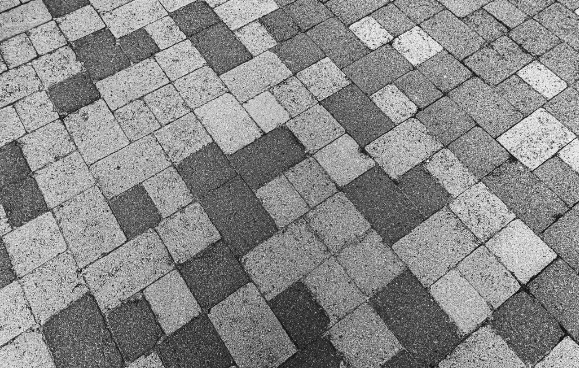
When it comes to the installation of concrete pavers, choosing the right setting method is crucial for ensuring longevity and durability. Two popular techniques are the use of a
sand bed and a
mortar set. Each approach presents its own advantages and challenges, impacting not only the aesthetic appeal but also the lifespan of the pavers. By exploring how these methods compare in terms of
durability,
maintenance, and
flexibility, we can identify which option proves to be the more resilient choice for outdoor surfaces.
Understanding Concrete Pavers: The Basics
Concrete pavers are a popular choice for creating durable outdoor surfaces, ideal for patios, driveways, and walkways. When considering the installation of pavers, one crucial decision revolves around the choice of joint filling material:
polymeric sand or
mortar. Each has its unique properties, applications, and longevity. This article explores the differences between a sand bed and mortar set, ultimately guiding you in determining which option lasts longer.
Polymeric Sand: Characteristics and Durability
What Is Polymeric Sand?
Polymeric sand is a man-made product that consists of fine sand blended with binding agents, including silica and quartz. Upon the addition of water, a chemical reaction occurs, allowing the product to harden and bind the pavers securely. Unlike traditional sand, polymeric sand creates a solid joint when cured, effectively minimizing weed growth and erosion.
Advantages of Using Polymeric Sand
–
Flexibility: Once cured, polymeric sand maintains some degree of flexibility, enabling pavers to adjust slightly without cracking.
–
Color Variety: Available in numerous colors, this option provides aesthetic appeal, allowing homeowners to match or contrast with their landscape.
–
Water Resistance: Cured polymeric sand forms a waterproof barrier, protecting the underlying soil and preventing water infiltration.
Longevity of Polymeric Sand
While polymeric sand provides a robust bond and stylized look, its lifespan typically ranges from 3 to 5 years, depending on environmental factors and wear. Periodic maintenance can extend its effectiveness, but it is wise to inspect joints regularly for signs of degradation.
The Mortar Option: Strength and Longevity
What Is Mortar?
Mortar is a composite mix primarily composed of
Portland cement, fine sand, and lime. This combination results in a sturdy, durable material utilized extensively in construction for bonding masonry elements such as bricks and stones.
Benefits of Using Mortar for Pavers
–
Structural Integrity: Mortar is well-known for its impressive load-bearing capabilities, making it suitable for heavy traffic areas.
–
Longevity: Mortar joints can last over a decade when appropriately maintained, providing a long-term solution.
–
Superior Water Resistance: When cured, mortar offers strong waterproof characteristics but may require sealing to prolong its lifespan in outdoor applications.
Durability of Mortar Sets
Because of its robust nature, mortar sets significantly outperform polymeric sand. With proper maintenance and care, mortar installations can stand robust against the elements for upwards of 10 to 15 years, making them a reliable choice for high-traffic areas.
Comparative Summary: Sand Bed vs. Mortar Set
| Feature | Polymeric Sand | Mortar Set |
|——————————-|————————————-|————————————-|
|
Flexibility | Some flexibility | Rigid |
|
Aesthetics | Available in various colors | Limited visual options |
|
Water Resistance | Good initial waterproofing | Very effective, may need sealing |
|
Longevity | 3-5 years | 10-15 years |
|
Usage Type | Ideal for pavers | Best suited for structural integrity |
When to Use Each Option
Choosing between polymeric sand and mortar largely depends on your project’s needs. If you’re focusing on aesthetics and your installation isn’t subjected to heavy traffic, polymeric sand could be the right choice. Its flexibility and variety can complement the landscape beautifully.
Conversely, if durability and structural integrity are paramount—especially for driveways or areas with heavy loads—opting for mortar will ensure long-lasting performance. While the initial setup may involve more effort, the end results yield a robust surface that can withstand various weather conditions.
Practical Considerations and Maintenance
Regardless of your choice, suitable installation techniques and maintenance practices are critical to longevity. Regular cleaning of paver surfaces helps avoid staining, while resealing mortar sets periodically can prevent moisture damage. Additionally, examining the joints for signs of wear and addressing them promptly can safeguard your investment.
For further insights on enhancing outdoor spaces and maintenance strategies, explore articles on
cleaning and improving curb appeal or dive into
essential sealing tips for pavement.
In summary, understanding the properties of polymeric sand and mortar will guide you in making informed decisions about outdoor installation projects. If you’re ready to explore various options further,
Castro Stoneworks Inc. offers a range of products to suit your needs!