
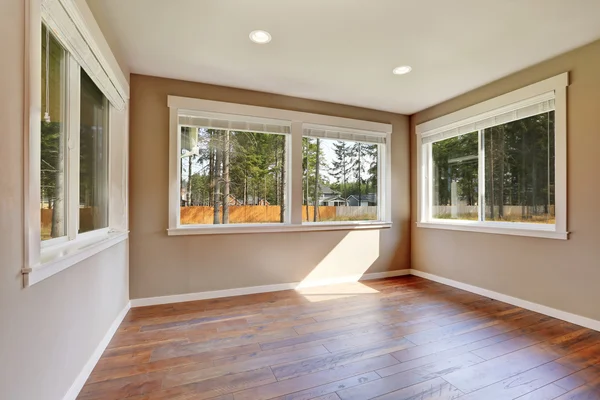
When sunlight turns a west-facing living room into a heat trap or leaves a bright patch on a hardwood floor, the windows may be part of the problem. Residential window tinting can help manage heat, glare, and fading without replacing the glass, while preserving the natural light that makes a home feel open. For homeowners balancing comfort, privacy, and energy use, the right film can make windows work harder in every season.
Understand how residential window tinting works
Residential window film is a thin, layered material—often made with polyester—that adheres to glass and changes how sunlight passes through. Depending on its construction, it can filter ultraviolet light, reduce infrared heat, soften visible glare, or add a degree of privacy.
Rather than judging a film by its shade alone, compare its performance ratings. Visible Light Transmission (VLT) indicates how much visible light enters a room, while the Solar Heat Gain Coefficient (SHGC) describes how much solar energy passes through the window system. A lower SHGC generally means less solar heat gain, but the ideal balance depends on climate and exposure.
UV protection is another important measure: quality films can block up to 99% of UV rays, helping slow fading in floors, furniture, textiles, and artwork. Film can reduce one major cause of fading, though sunlight and heat can also contribute, so it cannot prevent every change in colour.
Compare the benefits beyond appearance
For Maya, the immediate difference would likely be glare reduction at her desk and lower heat gain during sunny afternoons. Across a home, improved energy efficiency may ease cooling demand; some households report lower annual cooling costs, but results vary with the amount of glass, local weather, existing windows, and daily energy use.
Films may also improve home comfort by reducing hot spots near windows. Certain thicker safety products help hold broken glass together after impact, but they are not a substitute for safety glazing, secure locks, or a dedicated security system.
Choose a home window film for each room
Different rooms call for different solutions. A sunny family room may need solar control, while a bathroom facing a neighbouring property may benefit more from lasting visual privacy.
Match film types to household priorities
Ceramic films target infrared heat while maintaining a relatively neutral appearance and good light transmission. Non-reflective films offer a softer look with moderate solar control, whereas reflective films can reject more heat and create a mirror-like exterior during daylight. Frosted or patterned products diffuse views for privacy, and security films help retain glass fragments if a pane breaks.
For a practical starting point, map the main concern in each space before comparing products:
- For strong afternoon sun: compare solar-control films and their SHGC ratings for west- or south-facing windows.
- For bathrooms and entryways: consider frosted or decorative film that obscures views while allowing light through.
- For bright work areas: choose a suitable VLT to reduce glare without making the room feel dim.
- For protection from fading: look for documented UV rejection and pair it with sensible interior shading when needed.
A nearly clear film can be a better fit than a dark tint where preserving daylight matters. On the other hand, a highly reflective finish may clash with a traditional exterior, so appearance should be checked from both indoors and outside.
Balance privacy, daylight, and heat rejection
Reflective privacy film relies on a difference in brightness: when it is brighter outside than inside, the exterior surface reflects more light, limiting views into the home during the day. That effect changes after sunset. With interior lights on, the room may become brighter than the outdoors, allowing people outside to see in.
Plan for privacy after dark
For bedrooms and bathrooms, frosted film offers privacy in both daylight and darkness while still admitting light. Another flexible approach is to use solar film for daytime heat rejection and pair it with curtains, blinds, or shades at night. Exterior lighting can sometimes extend the reflective effect, but it does not provide dependable, complete nighttime privacy.
Maya could use a neutral solar film in her work area and a separate covering for evening privacy. This room-by-room approach avoids asking one product to solve conflicting needs.
Install residential window tinting safely
Film selection must account for the glass itself. Double-pane units, low-E coatings, and other insulated assemblies may have specific compatibility requirements; a film that absorbs too much heat can place stress on certain panes. An experienced installer can check the glass construction against manufacturer guidance before recommending a product.
Compare professional and do-it-yourself installation
DIY kits can suit a small, simple pane, but dust, bubbles, uneven edges, and peeling are common obstacles. Professional installers measure each window, prepare the surface, apply the film with a slip solution, and remove trapped water and air with specialist tools. That precision is especially helpful for skylights, tall panes, and large sliding doors.
After installation, the adhesive needs time to cure—often several days to a few weeks, depending on the film and conditions. A temporary haze or small water pockets may clear as the film dries. Follow the installer’s care instructions, and avoid cleaning the glass until the recommended curing period has passed.
Estimate long-term value before choosing a film
Project requirements vary with the number and size of windows, film type, glass access, and installation complexity. A consultation can identify which panes receive the most direct sun and whether any glass needs special handling, helping homeowners focus on the areas most likely to improve comfort.
| Film option | Typical purpose | Consider before selecting |
|---|---|---|
| Ceramic or spectrally selective | Solar control with a relatively clear appearance | Compare heat rejection and VLT ratings |
| Neutral, non-reflective | Balanced glare and heat management | Check how the finish looks from outdoors |
| Reflective | Strong daytime solar control and privacy | Nighttime privacy requires another solution |
| Frosted or decorative | Diffused views and visual privacy | Solar performance may be secondary |
| Safety or security | Holding fragments together after breakage | It does not replace safety glass or security measures |
Energy savings depend on climate, window orientation, existing glazing, and how often heating or cooling runs. Films can also provide less measurable returns: reduced fading, fewer uncomfortable hot spots, and less need to close blinds during the day. Those everyday improvements may matter as much as the utility bill.
Before work begins, review any local appearance rules or homeowners’ association requirements, particularly if you are considering a strongly reflective exterior. Ask for samples on the actual glass and written details about product specifications, warranty coverage, and care.
Plan a tailored window-film upgrade
The strongest plan starts with a clear priority: cooler rooms, better screen visibility, UV protection, fade prevention, or more privacy. Once those needs are mapped to each window, a qualified residential film professional can assess compatibility and recommend a solution that preserves the home’s character.
Residential window tinting can support energy efficiency and insulation goals while improving daily home comfort, but results depend on the glass and product chosen. Consult a qualified installer for personalized advice, on-glass samples, and a plan suited to your home.


