
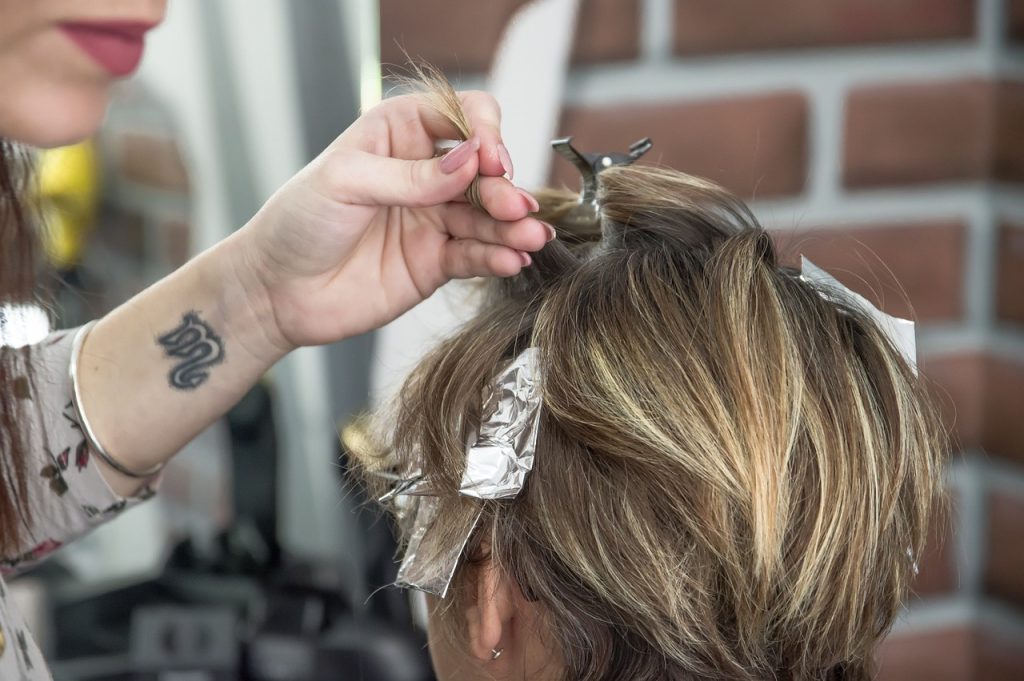
A hair color appointment starts long before the first brush touches a strand. The service that suits a friend or a social media photo may not suit your natural shade, your hair’s condition, or the time you are willing to spend on upkeep. Understanding the main options makes the conversation with a stylist clearer and the final result more predictable.
Start with a realistic picture of the finished look. Collect several reference images, note what you like about each, and decide whether you want a subtle refresh or a dramatic change.
Hair Color Services Explained
Each coloring technique works differently on the hair shaft, which affects how the result looks, how it grows out, and how often it needs attention. The list below outlines the most common choices.
- Single-process color: one shade applied from roots to ends, ideal for covering gray or deepening tone
- Highlights: lightened strands placed through the hair for brightness and dimension
- Balayage: hand-painted lightening that creates a soft, sun-kissed gradient
- Ombre: a visible shift from darker roots to lighter ends
- Gloss or toner: a translucent treatment that refines tone and adds shine
- Fashion shades: vivid blues, pinks, or purples that usually require pre-lightening
Matching Hair Color Services to Your Natural Shade
Your starting point determines how many steps the service requires. Dark hair moving toward blonde needs lightening, often across more than one session, while a shift within a similar depth can usually be achieved in a single visit. Previously colored hair adds another layer of complexity, since old pigment may resist lifting or turn uneven.
The table below pairs popular goals with suitable services.
| Desired look | Suitable service | Typical visits |
|---|---|---|
| Gray coverage | Single-process color | One |
| Soft, blended brightness | Balayage | One to two |
| Bold, uniform blonde | Bleach with toner | Two or more |
| Richer tone, more shine | Gloss | One |
| Vivid fashion shade | Pre-lighten and color | Two or more |
Skin Tone, Hair Health, and Maintenance
Choosing Shades That Flatter Your Skin Tone
Undertone matters more than surface color. Warm undertones, often seen with golden or peachy skin, usually pair well with honey, copper, and caramel. Cool undertones, which lean pink or blue, tend to favor ash, platinum, and deep chocolate. Neutral undertones can wear a wider range, so eye color and personal style may guide the final decision.
Protecting Hair Health During Coloring
Lightening and repeated chemical processing can dry the hair and weaken its structure. Dry, brittle, or breaking strands need conditioning treatments before any major change, and a stylist may recommend a gentler service or a longer gap between sessions. Bond-building treatments, strand tests, and careful timing all reduce the risk of damage.
Maintenance and Root Regrowth
Every color carries a maintenance schedule. Single-process shades show a distinct line as roots grow, usually within a few weeks, whereas balayage and ombre blend more gently and often last several months between visits. Be honest about how much time and effort you will invest, then choose accordingly.
At home, color-safe shampoo, a weekly mask, and heat protection preserve tone and shine. Purple or blue toning products help offset brassiness in lightened hair.
Preparing for a Hair Color Consultation
A consultation turns inspiration into a workable plan. Arrive with clean, product-free hair when possible, and bring photos showing both the shades you want and the ones you dislike. Share your color history truthfully, including box dyes, henna, and previous lightening, because hidden layers of pigment change how new color behaves.
Useful questions to raise during the appointment include:
- How many sessions will this look realistically take?
- What will the grow-out phase look like?
- Which products should I use at home?
- Can the plan be adjusted if my hair reacts poorly?
Setting Realistic Expectations
Color results depend on lighting, hair porosity, and the pigment already present in each strand, so the finished shade may differ slightly from a reference photo. A good stylist explains these limits early and may suggest reaching a dramatic goal in stages, which protects the hair and allows adjustments along the way.
The best color service balances your desired look, natural shade, hair health, and realistic upkeep over time. Book with a professionnal to discuss your options and find the ideal color service for your own hair.
