Your air conditioner is vital for home comfort as summer arrives and temperatures climb. But when is it time for an upgrade? An unexpected breakdown, especially during a heatwave, is always a concern. Let’s look at six clear signs that indicate it’s time to replace your AC system, ensuring you stay cool and comfortable.
Lifespan of Air Conditioners
Understanding the expected lifespan of your air conditioning unit is fundamental to anticipating its needs. Most systems last between 10 to 15 years before their performance diminishes significantly. Several factors come into play that can influence this timeline:
Maintenance
Regular upkeep is essential for the longevity of any air conditioner. Skipping scheduled maintenance can lead to build-up and strain on the unit, causing it to fail prematurely. If you’re looking for tips on maintaining your HVAC system effectively, check out some professional insights here.
Usage
The intensity with which you use your air conditioner significantly affects its lifespan. Heavy, consistent usage will shorten its life, while moderate use can enhance durability. Finding a balance is key!
Installation Quality
A correctly installed air conditioner functions much more efficiently. If the installation was subpar, it could lead to ongoing issues, minimizing its effectiveness. Proper installation is critical from day one.
Climate
Homes in harsher climates face added pressure. Units exposed to extreme heat or humidity will often wear out quicker. Assess your environment as it plays a considerable role in durability.
Decreased Cooling Efficiency
A primary reason homeowners consider replacements is the decreased efficiency of their air conditioning system. If you find the temperature in your home rising despite multiple tweaks to the thermostat, it’s time to investigate. What could be going wrong?
Age
As mentioned earlier, older air conditioning units naturally become less efficient. It’s essential to remember that, even with maintenance, a unit may still eventually falter.
Refrigerant Levels
Low refrigerant levels directly impede your air conditioner’s cooling abilities. This issue requires immediate attention as it impacts comfort.
Dirty Filters
Clogged or dirty filters obstruct airflow, overly taxing your AC unit. Regular checks and replacements can help maintain performance, but the need for frequent changes may point to a more serious issue.
Unusual Sounds
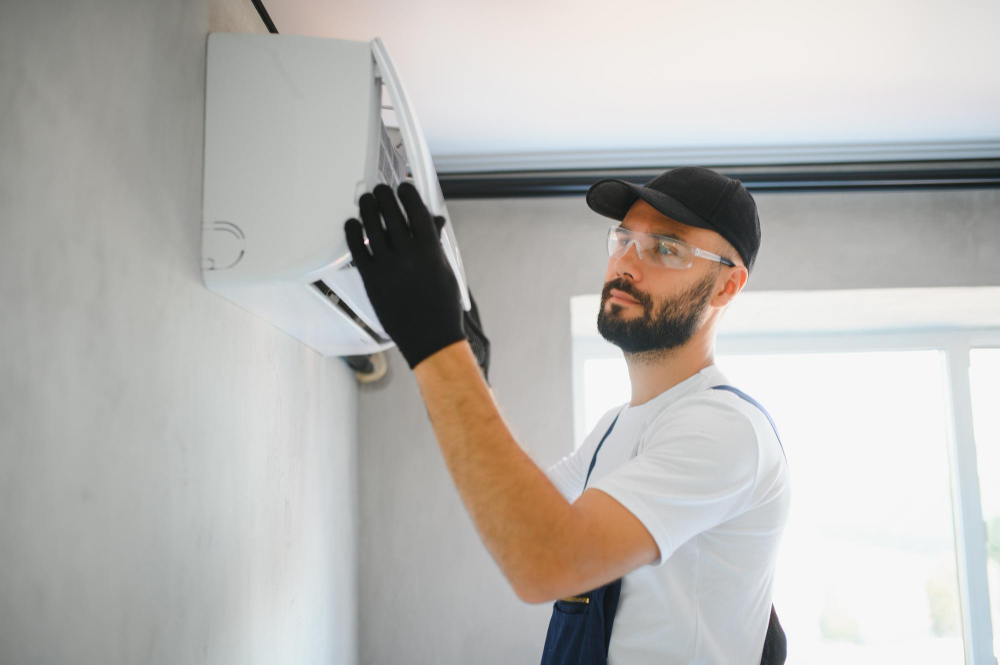
Nothing should go unnoticed when it comes to your air conditioner. Odd noises can indicate underlying problems that you shouldn’t overlook. Be attentive to these sounds:
Banging
A banging noise may indicate a loose or broken component inside the compressor. Such sounds call for immediate inspection to prevent further damage.
Squealing
Squealing often relates to problems with the blower or fan, leading to insufficient airflow. Addressing these sounds early can save you from costly repairs down the line.
Hissing
A hissing sound may suggest a refrigerant leak. If you hear this noise, it’s crucial to seek professional help to avoid significantly impaired cooling performance.
Frequent Repairs
Are you calling for repairs more than you’d like? Frequent breakdowns can be a definitive warning sign that replacement is imminent. Let’s evaluate what to consider:
Costs Adding Up
If the financial burden of repairs approaches the cost of a new unit, factoring in a replacement makes more sense. Investment in a reliable system could save you money long-term.
Repeated Issues
Experiencing the same problems repeatedly can signal a larger issue with your air conditioner. It’s crucial to understand when to cut your losses and invest in a new unit.
Age Factor
Units older than ten years are prone to a higher repair frequency. Compare the potential costs of ongoing fixes with the benefits of a new, efficient system.
Poor Air Quality
Your air conditioner’s failing efficiency can drastically affect your home’s air quality. Here are warning signs to watch for:
Musty Odors
If you notice a persistent musty smell, it could indicate mold or mildew lurking inside your unit or ductwork. Such contaminants can lead to larger health concerns.
Dust Buildup
Dust gathers around vents when your AC struggles to adequately filter air. This accumulation might signify that you need to address air filtration more seriously.
Allergy Symptoms
Increased allergy symptoms among household members can result from inadequate filtration, hinting at the ineffectiveness of your old air conditioner.
Refrigerant Leaks
If you suspect refrigerant leaks, it’s vital to address them promptly. These leaks can critically undermine your air conditioner’s capabilities. Pay attention to the following signs:
Hissing Sounds
As mentioned, a hissing noise can be a clear indicator of a leak. Don’t ignore this – prompt action is necessary to maintain your unit’s efficiency.
Increased Humidity
A unit low on refrigerant struggles to dehumidify the air appropriately. An uptick in indoor humidity could signify a need to check your refrigerant levels.
Warm Air
If your air conditioner is blowing warm air rather than the expected cool breeze, refrigerant levels could very well be the issue at hand. Immediate professional attention is advised.
Steps to Replace an Air Conditioner
Deciding to replace your unit is a significant investment. Follow these guidelines to navigate the process smoothly:
Evaluate Your Needs
Firstly, determine the appropriate size for your new unit. Consulting with an HVAC professional can help tailor the system to fit your needs. Consider the Energy Efficiency Ratings to ensure a cost-effective, energy-savvy option.
Hire a Qualified HVAC Contractor
When selecting a contractor, obtain multiple quotes to compare prices and services. Ensure that your chosen technician possesses the appropriate license and has a trustworthy reputation.
Prepare for Installation
Before installation, prepare the area around both the indoor and outdoor units. Clear the vicinity to facilitate easy access for the technician, and anticipate potential downtime during the setup.