
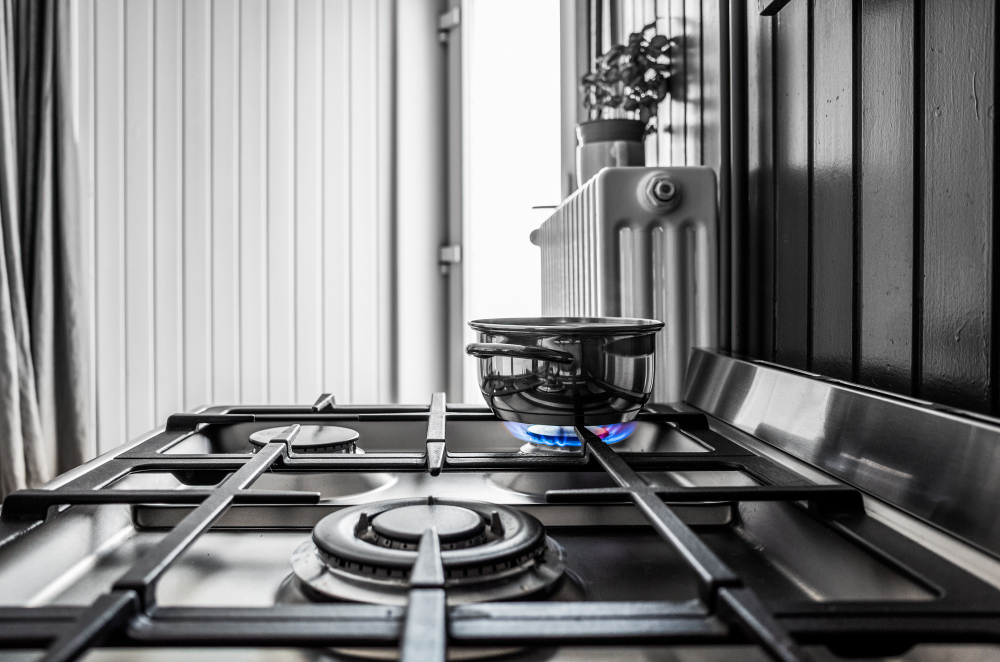
If you’re considering making the switch to propane in your home, it’s essential to understand the various factors involved in the installation process. From safety regulations to tank sizes and locations, there is much to learn before committing to this energy source.
Understanding Propane Regulations
Before installing a propane tank, familiarizing yourself with local, state, and federal regulations is crucial. These regulations are designed to keep your household and surrounding areas safe from potential hazards.
Clearance Requirements
Most residential propane tanks must maintain a distance of at least 10 feet from your home’s structure, property lines, and any ignition sources, such as air conditioning units. This distance is essential for safety and minimizes fire risks. Moreover, your propane tank should be placed within 80 feet of your driveway to facilitate regular deliveries from propane trucks.
Tank Location and Size
Propane tanks can be placed above ground or underground, with above-ground options being more common due to their ease of maintenance and filling. When deciding on the tank location, consider its size. Smaller tanks, such as the 20LB canister, are suitable for grills, while 420LB tanks are better suited for home heating. For larger residences exceeding 4,500 square feet, a 1,000-gallon tank may be necessary to meet heating and cooking demands.
Preparing for Installation
Preparation plays an essential role in the successful installation of your propane tank. Ensuring your home and appliances are ready for the transition is key to a smooth process.
Appliance Considerations
Before installation, it is vital to check that your appliances are compatible with propane. Some older models may require conversion for safe use with propane fuel. Consulting with a professional can help ensure that your appliances meet government safety standards, reducing risks such as carbon monoxide buildup and potential fires.
Safety First! Be Home During Installation
Being present during the installation process can significantly aid installation teams by providing necessary directions on where to place the tank. It also allows you to oversee the connection of propane lines to your appliances, ensuring every unit is hooked up safely and correctly.
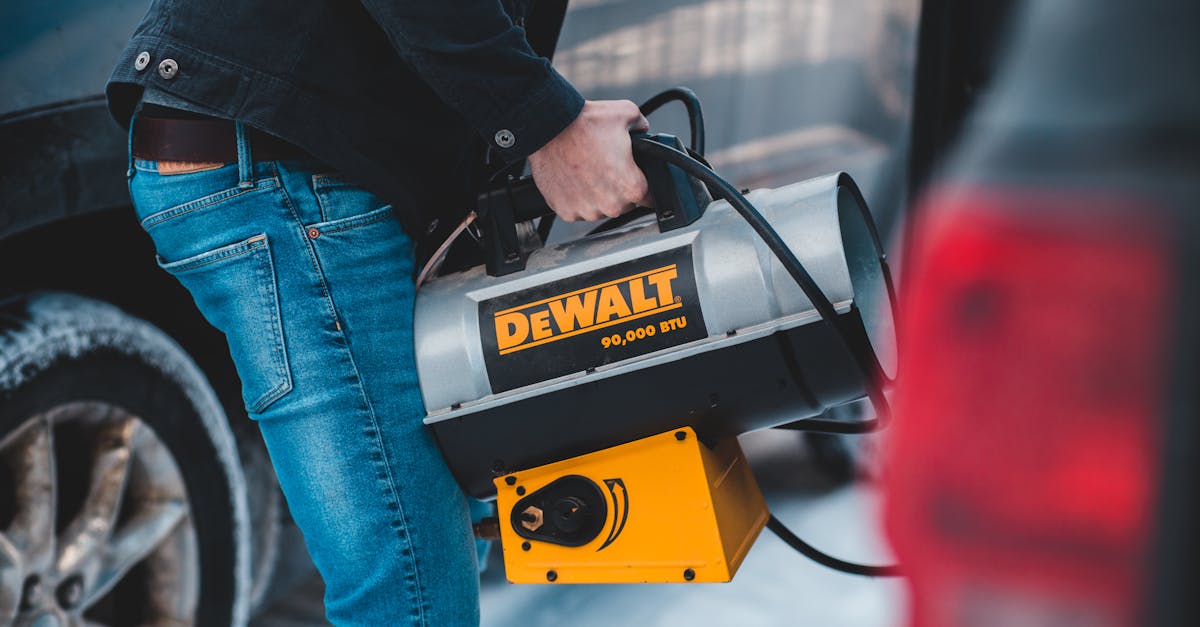
Maintaining Safety During Delivery and Installation
The safety of your family and pets should always be your top priority during the propane installation process. A few simple measures can ensure that everyone remains safe and out of harm’s way.
Child and Pet Safety
Keep children and pets away from the installation site. This minimizes distractions for installers and reduces the chances of accidental injuries. It ensures that the entire process proceeds without incident and allows professionals to work efficiently.
Clearing the Way for Delivery
Clear a wide and accessible path for delivery vehicles to navigate during installation and future refills. Meeting the accessibility requirements will streamline the delivery process every time your tank needs replenishing. Make sure to consistently remove any obstacles to keep the route safe.
Frequently Asked Questions
As you consider the installation of a propane tank, you might have several questions about its usage and maintenance.
How Far Should the Tank Be From Structures?
According to code, most propane tanks must be placed at least 10 feet away from buildings, property lines, or ignition sources to ensure safety regulations are met.
What Size Propane Tank Do I Need?
The tank size primarily depends on the appliances you plan to power. Discuss your requirements with your installer, who can recommend appropriate sizes based on your intended use.
Can I Use My Existing Appliances?
Some appliances can indeed be converted to utilize propane. However, it is advisable to consult a professional installer for safety reasons, as improper conversions can lead to hazardous conditions.
Should I Be Present During Installation?
Yes, it would benefit you to be at home. You can assist by interacting with the installers, providing them access to necessary areas, and ensuring that your tank connects to all intended appliances.
In summary, understanding the ins and outs of propane tank installation is crucial to ensure the process goes smoothly. From adhering to safety regulations to preparing your home for a seamless transition to propane, proper planning can make a significant difference in your experience.
If you’re ready to take the first step towards installing a propane tank at your home, contact Gas Tech Of Miami today. They can provide guidance and assistance tailored to your specific needs.


