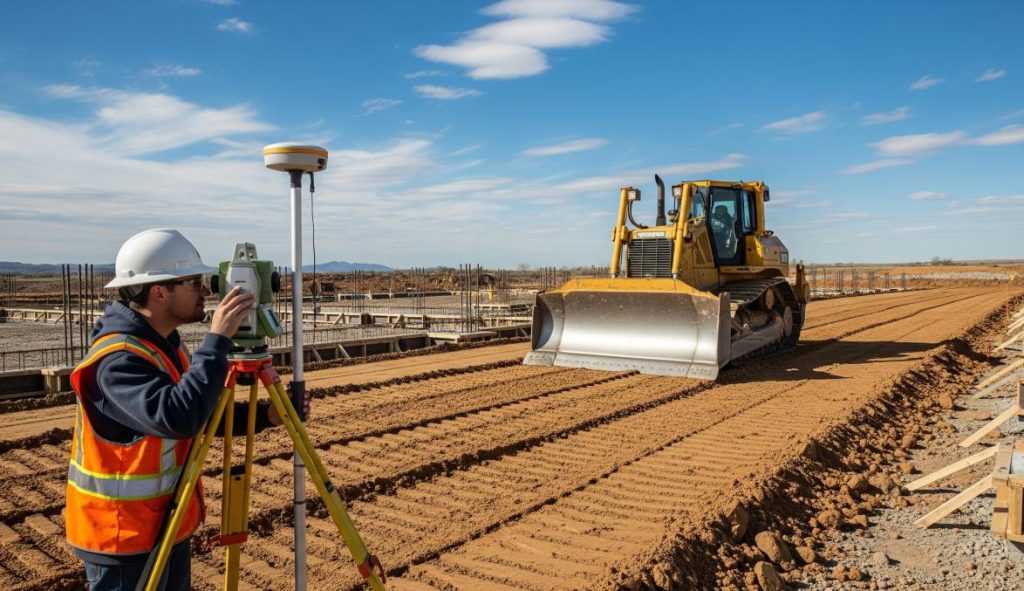
Getting the groundwork right is the secret sauce behind any sturdy construction project. Whether you’re erecting a new home, a commercial building, or enhancing a landscape, the process of site grading plays a pivotal role in setting a durable foundation. But why is precision in grading so essential, and how does it influence the overall success of your build? Let’s dive into the essentials of precise site grading and uncover its impact on creating a rock-solid construction base.
Understanding Site Grading and Its Crucial Role
Before breaking ground, it’s vital to grasp what site grading entails. At its core, site grading is the method of leveling and shaping the land to prepare for construction. This goes beyond simply flattening the terrain, it’s about applying the correct slopes to control water runoff, enhance soil stability, and establish a reliable base.
Failing to grade properly can lead to water pooling, soil erosion, and foundation damage, which can jeopardize the project down the line. Precise grading helps ensure that the site supports the building effectively while protecting it against environmental challenges.
Creating a Stable and Level Base
One of the primary goals of site grading is to produce a uniform surface free of irregularities and obstructions. This provides a stable platform on which to construct, minimizing the risk of structural issues later. By controlling soil compaction and ensuring the right slope, grading mitigates uneven settling that could cause cracks or tilting.
Professional graders use advanced machinery and surveying tools to adjust the land precisely according to the project’s specifications. This lays a solid groundwork that can support the weight and stresses of the final structure efficiently.
Managing Water Drainage Effectively
Water, both friend and foe in construction. Effective drainage is paramount, and the way your site directs water flow depends heavily on grading. Proper slope design prevents water from pooling around foundations, which can lead to costly damage and mold issues. Grading channels rainwater away to safe discharge points, safeguarding the integrity of your build.
Incorporating solutions like swales, berms, or drainage pipes as part of grading strategically manages runoff and erosion. This proactive approach not only enhances durability but reduces maintenance efforts over time.
The Technical Steps Behind Precision in Site Grading
Precision in site grading demands a clear plan and expert execution. Skimping on the early phases can mean costly fixes later. Let’s explore the typical steps professionals follow to ensure pinpoint accuracy in grading works.
Thorough Site Evaluation and Soil Analysis
Before any grading begins, a comprehensive evaluation of the site is undertaken. This involves soil testing to determine texture, composition, and drainage capacity, factors that hugely influence grading decisions. Understanding these parameters helps experts choose appropriate grading techniques tailored to the terrain’s characteristics.
Additionally, mapping out vegetation, underground utilities, and environmental sensitivities ensures the grading plan minimizes disruptions while adhering to local regulations.
Surveying and Detailed Grading Plans
Precision depends on accurate surveying and solid blueprints. Surveyors use technical instruments such as GPS and total stations to map the site’s contours and elevations accurately. This data feeds into the creation of grading plans that delineate final slopes, elevation points, and designated drainage paths.
Well-developed plans serve as roadmaps, guiding machinery operators during the grading phase to achieve intended outcomes without guesswork.
Grading Execution and Soil Compaction
With plans in hand, heavy equipment like bulldozers, graders, and compactors sculpt the land into the desired shape. Here, the importance of experience and precision cannot be overstated. Skilled operators adjust blade angles and machine paths meticulously to meet the design specifications. Proper soil compaction follows grading to densify the earth, eliminating air pockets and providing a firm surface that can bear structural loads.
Neglecting compaction invites risks of future soil movement, compromising the longevity of the foundation and entire structure.
The Benefits of Investing in Expert Site Grading
While it might be tempting to rush through the site preparation stage, enlisting experienced professionals for precise grading offers invaluable advantages. Here’s why investing in expert site grading pays dividends throughout your project’s lifecycle.
Reducing Long-Term Risks and Costs
Oversights in initial grading can snowball into structural defects, drainage problems, or regulatory setbacks. Quality site grading minimizes these risks, saving vast sums on repairs and legal issues. Precision ensures proper load distribution and effective water management, both crucial for a durable build.
Experts can anticipate potential challenges unique to your site and address them proactively during grading, translating to smoother construction flow and fewer surprises.
Enhancing Safety and Compliance
Construction sites can be hazardous spots. Skilled graders comply with strict safety standards to protect workers and future occupants. Furthermore, they ensure adherence to zoning laws and environmental guidelines, reducing project delays due to inspections or permits.
Accurate grading thus supports a compliant and safer build environment that aligns with municipal policies.
Smoother, Faster Construction Process
With a solidly graded base, subsequent construction stages proceed efficiently. Equipment operates optimally on well-prepared terrain, and materials like concrete can cure uniformly without unexpected settlement issues. In essence, precise grading accelerates timelines and boosts project quality.
Overall, investing in professional site grading is an investment in peace of mind and project success.
Ensuring Longevity: Why Precision Matters Beyond the Ground
Precise site grading doesn’t just impact your build today – it influences the structure’s lifespan and performance for decades.
Preserving Structural Integrity
When soil and drainage are managed with accuracy, the foundation remains stable and strong. This greatly reduces the occurrence of cracks, warps, or uneven settling that can jeopardize the building’s integrity. Proper grading ensures your project stands the test of time, protecting your investment.
Boosting Energy Efficiency and Comfort
Correct slope and drainage design also help mitigate moisture intrusion, which can affect insulation and HVAC efficiency. Keeping foundations dry prevents mold growth and maintains indoor air quality, contributing to a healthier living or working environment.
Environmental Responsibility
Thoughtful grading minimizes soil erosion and controls stormwater runoff, reducing the impact on local waterways and ecosystems. Sustainable site preparation aligns your project with eco-friendly practices and often eases approval processes from governing bodies.
By prioritizing precision in site grading, you guarantee a solid construction base that does more than just support, it safeguards your structure’s future while respecting the planet.
Wrapping Up
Precision in site grading is far from a mere technical formality; it is the cornerstone of a successful, durable construction project. By carefully leveling, sloping, and compacting the ground, you ensure a foundation that withstands environmental challenges while fostering safety and compliance. Expert grading reduces risks, saves you money, and accelerates your build timeline, proving you can’t afford to cut corners on this vital phase.
To lay the groundwork for success, partner with seasoned site grading professionals like Barbers Excavation and Landscaping. They can get your project off on the right foot. Contact them today and set the stage for a solid, future-proof construction.