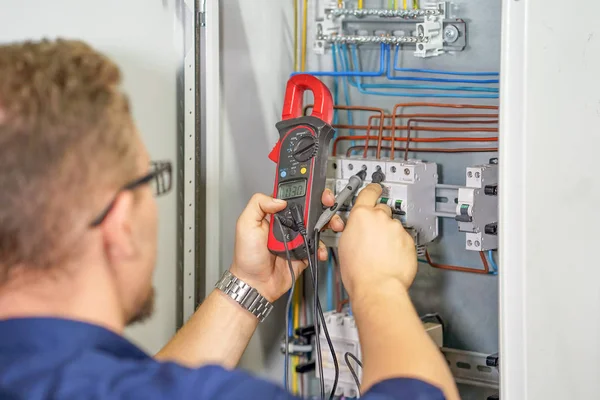
Electricity is the lifeblood of the modern home. It powers our work, our entertainment, our climate control, and our cooking. However, because wires are hidden behind drywall and outlets sit quietly on the wall, it is easy to take electrical safety for granted. This complacency can be dangerous. According to the National Fire Protection Association (NFPA), electrical failures or malfunctions are a leading cause of home fires. The good news is that most electrical hazards display warning signs long before they become catastrophic. By dedicating 15 minutes once a month to a routine inspection, you can protect your property and your family. Here is a comprehensive, easy-to-follow monthly electrical safety checklist for homeowners.
Test GFCI and AFCI Outlets
Ground Fault Circuit Interrupters (GFCIs) are the outlets with the “Test” and “Reset” buttons, typically found in kitchens, bathrooms, and garages (anywhere water is present). They are designed to cut power instantly if they detect a shock hazard. Arc Fault Circuit Interrupters (AFCIs) prevent fires by detecting dangerous sparking.
The Check :
- Press the “Test” button. The “Reset” button should snap out, and power to the device should cut off (plug in a nightlight to verify).
- Press “Reset” to restore power.
- If the button doesn’t pop out or power doesn’t cut, the safety mechanism has failed, and the outlet needs replacing immediately.
Inspect All Cords and Cables
Extension cords and appliance cables are the weak points in your electrical system. They are subject to foot traffic, pinching furniture, and curious pets.
The Check :
- Walk through the house and look at the cords for lamps, TVs, and chargers.
- Look for fraying, exposed wiring, or cracking insulation.
- Ensure cords are not running under rugs (this traps heat and causes fires) or through doorways where they can be pinched.
- If a cord is damaged, throw it away. Do not try to repair it with duct tape.
The “Touch Test” on Switches and Outlets
Your electrical system should run cool. Heat is the enemy of electricity and usually indicates a loose connection or an overloaded circuit.
The Check :
- Place the back of your hand against wall plates, dimmer switches, and outlets.
- They should be at room temperature. If they feel warm or hot to the touch, you have a problem.
- Listen for buzzing or crackling sounds coming from the switch when you turn it on. A buzzing switch is an arcing switch, which is a fire hazard.
Check the Breaker Panel (Visually)
You do not need to be an electrician to check your panel, and you should never remove the metal cover yourself. However, a visual inspection is vital.
The Check:
- Open the panel door. Is there any rust or moisture? Water in a panel is an emergency.
- Are any breakers frequently tripping? A breaker that trips repeatedly is doing its job—it is telling you that the circuit is overloaded or there is a short. Do not keep flipping it back on; call a pro to investigate the cause.
- Listen for buzzing sounds coming from the panel itself.
Review Outdoor Electrical Units
Outdoor outlets and lighting are exposed to the elements, making them susceptible to corrosion and weather damage.
The Check:
- Ensure all outdoor outlets have bubble covers (weatherproof covers) that close tightly.
- Check that foliage hasn’t grown into outdoor lighting fixtures or air conditioning disconnects.
- Look for any wires that may have been chewed by rodents.
Light Bulb Wattage Check
This is less common with modern LEDs, but still relevant if you use incandescent bulbs. Putting a 100-watt bulb in a fixture rated for 60 watts can melt the socket insulation and start a ceiling fire.
The Check:
If you changed any bulbs recently, verify the wattage matches the fixture’s rating (usually printed on the socket).
When to Call a Professional ?
This checklist is for detection, not repair. If you find a hot outlet, a buzzing panel, or a GFCI that won’t reset, do not attempt to fix it yourself unless you are qualified. Electrical DIY is high-risk.
Electrical safety is not a “set it and forget it” aspect of homeownership. Systems degrade, connections loosen, and pests chew wires. By running through this simple monthly checklist, you move from reactive maintenance to proactive safety, ensuring that the only sparks in your home are the ones from your fireplace.