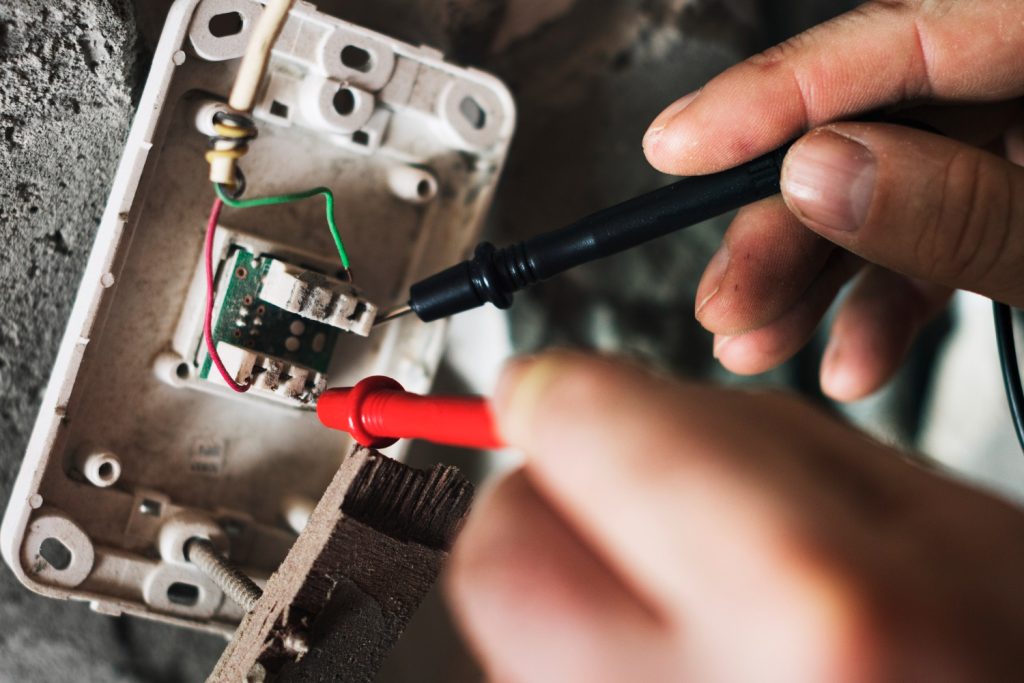
In the realm of electrical repair, understanding how to diagnose circuit failures before they escalate is crucial for maintaining the safety and efficiency of any electrical system. Electrical issues, if left unaddressed, can lead to costly repairs and potential hazards. By honing the skills necessary to identify problems early on, individuals can protect their property and ensure the longevity of their electrical systems. This guide will outline essential strategies and techniques for effectively diagnosing circuit failures, empowering you to take proactive measures in electrical maintenance.
Understanding the Importance of Circuit Diagnosis
Every electronic system comprises various components, and understanding these is key to effective troubleshooting. When electrical circuits fail, it’s crucial to determine the root cause swiftly. Prompt diagnosis helps prevent costly repairs, potential hazards, and extends the lifespan of your devices.
Common Symptoms of Circuit Failures
- Flickering lights – A clear indication of unstable voltage or faulty components.
- Non-responsive outlets – Occurs when there is a break in the circuit or a blown fuse.
- Frequent tripping of circuit breakers – Signifies overloads, short circuits, or ground faults.
- Burning smells or scorch marks – Indicates serious wiring issues that require immediate attention.
- Devices not functioning properly – May reflect poor connections or defective devices.
Essential Tools for Diagnosing Circuit Failures
Equipping yourself with the right tools is essential for effective troubleshooting. The following instruments are invaluable for anyone embarking on circuit diagnostics:
- Multimeter – Used to measure voltage, resistance, and current flow.
- Test Lamp – Quickly checks if power is reaching specific points in the circuit.
- Clamp Meter – Measures current without needing to disconnect wires, providing convenience and safety.
- Insulation Tester – Detects any leakage or short circuits within the system.
- Wiring Diagrams – Act as maps, facilitating the understanding of the circuit structure.
Step-by-Step Guide to Troubleshoot Circuit Failures
1. Gather Information
Before diving into repairs, gather pertinent details about the issue. Ask yourself:
- What are the exact symptoms?
- When did the problem first arise?
- Are there any other affected devices?
2. Visual Inspection
Conduct a thorough visual check of the wiring, outlets, and devices involved. Look for:
- Damaged wires or exposed connections
- Signs of burning around outlets or switches
- Loose connections that may cause intermittent problems
3. Checking Power Supply and Breakers
After ensuring your safety by turning off the power, check the circuit breakers and fuses:
- Is the breaker tripped?
- Is the fuse blown?
Reset or replace them as necessary. If problems persist, the issue may lie deeper within the circuit.
4. Testing Outlets and Devices
Utilize your multimeter to assess voltage at outlets and devices. If voltage isn’t present, follow the wiring diagram to trace the circuit back for potential breaks or faults.
5. Inspecting Wiring and Components
Look for:
- Open circuits – Indicate broken wires, testing continuity with a multimeter will help find the breaks.
- Short circuits – Check for damaged insulation that may lead to crossed wires.
- Overloaded circuits – Ensure each circuit adheres to its appropriate load rating.
6. Repairing Identified Issues
Once problems are pinpointed, make the necessary repairs. This may involve:
- Tightening loose connections
- Replacing damaged wiring
- Updating faulty devices or components
Safety First: Precautions When Troubleshooting
Regardless of your experience level, always prioritize safety:
- De-energize circuits before working on them.
- Use tools with insulated handles.
- Wear appropriate protective equipment.
For detailed electrical safety tips, check this monthly checklist for homeowners.
With a proactive approach, you can effectively manage circuit failures and enhance the reliability of your electrical systems. Remember, ignoring even the slightest hint of malfunction can lead to compounded issues and exorbitant repair costs.
By mastering these skills, you’re not just repairing; you’re safeguarding your home and enhancing safety. For emergencies, or further assistance, consider reaching out to Rushforth Electric and Heating, where expert resources await you.