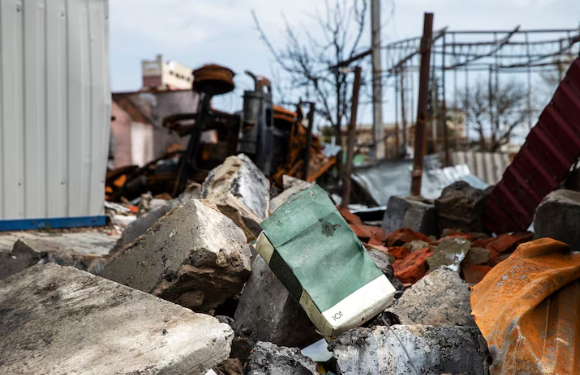
Demolition projects encompass a myriad of tasks that involve the careful dismantling or destruction of structures. These operations not only pave the way for new constructions but also require an astute focus on safety. Due to the inherent hazards associated with demolition, it becomes imperative for all involved parties to engage in meticulous planning and precautionary measures. This commitment to safety is not merely an obligation; it’s an organizational ethos that protects workers, the environment, and the surrounding community.
Understanding Demolition Hazards and Safety Precautions
Before any demolition work kicks off, a thorough understanding of potential hazards is crucial. This includes everything from assessing the condition of the existing structure to performing a comprehensive hazard assessment that identifies risks such as:
- Structural collapse due to instability
- Falling debris posing physical injury risks
- Exposure to hazardous materials like asbestos and lead
- High noise levels causing hearing impairment
Conducting a Structural Inspection
A structural inspection serves as the foundation for successful demolition work. This inspection identifies weaknesses and hazardous conditions, laying the groundwork for a strategic demolition plan. Among the elements examined are:
- Existing damage to the structure
- Presence of toxic materials
- Overall stability of load-bearing elements
Ensuring a meticulous inspection helps determine the appropriate demolition techniques and safety measures to implement.
Establishing Emergency Plans and Procedures
No demolition site is complete without an effective emergency plan. This plan outlines procedures for various scenarios, such as structural failures or health-related incidents caused by hazardous exposures. Training workers on emergency responses enhances preparedness, ensuring everyone knows exactly what steps to follow in stressful situations.
Securing Necessary Permits and Utility Shutoff
Prior to commencing any demolition operations, it’s essential to acquire all the necessary permits. This process often involves notifying local authorities and complying with regulations that vary by location. Additionally, ensuring that utility services are shut off is a critical step. Gas, electricity, and water lines pose significant risks during demolition, so verifying these services have been properly disconnected protects workers and minimizes hazards.
Utilizing Protective Gear for Workers
The importance of protective gear in demolition work cannot be understated. Workers must be outfitted with appropriate equipment, such as:
- Hard hats to protect against falling debris
- Safety goggles and face shields to prevent eye injuries
- Respirators to defend against inhalation of hazardous materials
- Hearing protection to combat noise hazards
Wearing the right protective gear significantly reduces the risk of acute injuries and long-term health complications.
Providing Comprehensive Training for Workers
Ensuring that all personnel are adequately trained is a pivotal safety step. Training should encompass not only the execution of demolition techniques but also hazard recognition and fall protection strategies. Incorporating scenario-based drills can fortify workers’ readiness to handle unexpected challenges and reinforce their understanding of safety measures.
Implementing a Monitoring and Supervision System
Regular monitoring of demolition activities is vital to ensure compliance with safety regulations. Assigning a competent supervisor ensures that all safety guidelines are strictly adhered to. Daily briefings can serve as platforms for discussing safety concerns, reviewing procedures, and promoting a culture of open communication regarding safety.
| Monitoring Activities | Frequency | Purpose |
|---|---|---|
| Site Inspections | Daily | Assess safety compliance |
| Employee Training Sessions | Weekly | Reinforce safety knowledge |
| Safety Briefings | Daily | Discuss ongoing safety concerns |
Adopting a proactive approach to safety in demolition ensures not only the wellbeing of workers but also fosters a sense of responsibility towards the environment and surrounding communities. Through proper planning, strong leadership, and comprehensive training, demolition projects can be completed effectively and safely. For efficient waste removal and disposal, consider engaging experts in the field. You can learn more about their services here.