More people are searching for ways to enhance their curves without stepping into an operating room, and the non-surgical BBL has quickly become one of the most talked-about options. But does skipping the scalpel mean skipping the risk, or are there hidden trade-offs worth knowing before booking a session? This article breaks down how the treatment works, what safety really looks like, and what results you can realistically expect.
Understanding Non-Surgical BBL Procedures
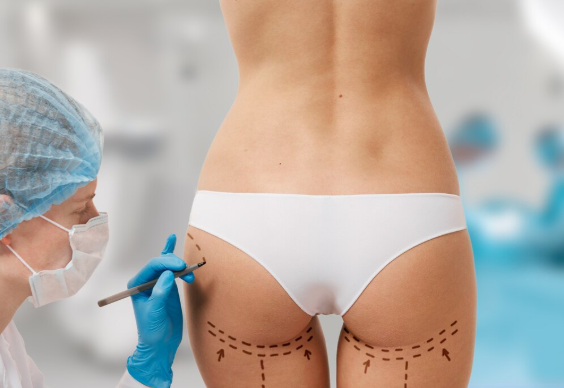
A non-surgical BBL refers to a range of body-contouring techniques designed to enhance the buttocks without incisions, general anesthesia, or fat transfer through liposuction. Unlike its surgical counterpart, this approach relies on non-invasive technologies to lift, firm, or add volume to the area, making it an appealing option for those wary of going under the knife. Before diving into safety considerations, it helps to understand exactly what happens during treatment and how it differs from the traditional procedure.
Examining How the Treatment Works
Most non-surgical BBL treatments use one or a combination of the following methods to achieve a fuller, more sculpted appearance:
- Radiofrequency devices that stimulate collagen production and tighten the skin.
- Dermal fillers injected strategically to add volume and shape.
- Ultrasound or laser technology that targets fat cells for subtle contouring.
- Massage-based techniques like vacuum therapy to temporarily lift and firm tissue.
These methods are typically performed in a medical spa or clinical setting, often requiring little to no downtime compared to surgical alternatives.
Comparing It to Traditional Surgical BBL
Traditional Brazilian Butt Lift surgery involves liposuction to harvest fat from one area of the body, followed by reinjection into the buttocks under general anesthesia. This method has faced scrutiny in recent years due to its associated risks, including fat embolism, a rare but serious complication. Non-surgical alternatives sidestep these particular dangers entirely, though they come with a different set of considerations that deserve equal attention.
Weighing the Safety of Non-Surgical BBL
Safety is rarely a black-and-white matter, and non-surgical BBL treatments are no exception to that rule. While they eliminate many of the risks tied to anesthesia and surgical incisions, they are not entirely without consequence, and understanding the nuances can help set realistic expectations.
Considering Common Side Effects
Most people tolerate non-surgical BBL treatments well, though mild reactions are not unusual in the days following a session. Typical side effects include the following:
- Temporary redness or swelling at the treatment site.
- Mild bruising, particularly after filler injections.
- Slight tenderness or sensitivity that fades within a week.
- Rare allergic reactions to injectable products, which underscores the importance of a thorough consultation beforehand.
Choosing a licensed, experienced provider significantly reduces the likelihood of complications and ensures that any adverse reaction is managed promptly.
Recognizing Who Should Avoid the Treatment
Not everyone is an ideal candidate for this type of enhancement. Individuals with certain autoimmune conditions, active skin infections, or a history of keloid scarring may face higher risks and should discuss alternatives with a qualified practitioner. Pregnant or breastfeeding individuals are also generally advised to postpone treatment until a later, more suitable time.
Evaluating Results and Expectations
Curiosity about outcomes often drives the decision to pursue a non-surgical route, so it’s worth setting the record straight on what this treatment can and cannot achieve. Unlike surgery, which delivers a dramatic and immediate transformation, non-surgical methods work more gradually and subtly.
Anticipating Realistic Outcomes
Patients typically notice a modest lift and improved skin texture rather than the significant volume increase associated with surgical fat transfer. Results tend to develop progressively over several weeks as collagen production ramps up, meaning patience becomes part of the process rather than an afterthought.
Maintaining Results Over Time
Because non-surgical enhancements are not permanent, ongoing maintenance sessions are usually necessary to preserve the desired shape. Providers often recommend a schedule of touch-up appointments spaced several months apart, depending on the specific technique used and the individual’s skin response.
Choosing between a surgical and non-surgical BBL ultimately comes down to individual goals, health history, and comfort with risk, as neither option is universally superior. Non-surgical methods offer a gentler path with fewer immediate dangers, though they require realistic expectations and periodic upkeep to sustain results. Anyone considering this route should consult a licensed specialist at Kharas Beauty Studio to determine the safest and most effective plan for their body.