
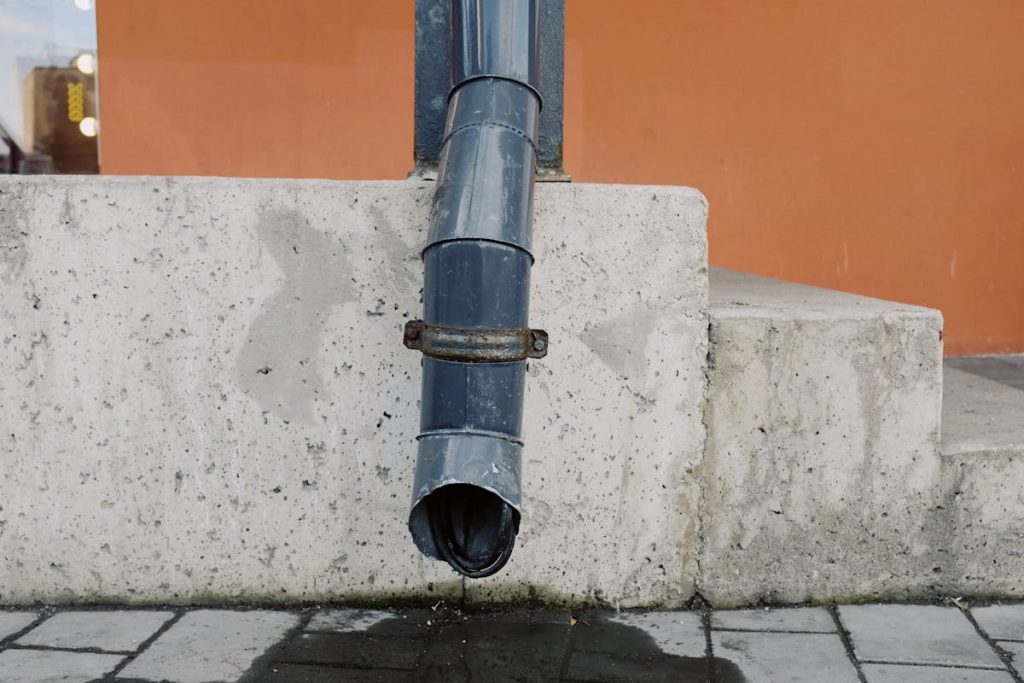
Did you know that regular drain maintenance can save you from costly plumbing repairs? Every year, homeowners face unexpected expenses due to severe clogs and backups, often caused by accumulated debris. By implementing simple monthly checks, you can keep your drains flowing smoothly and avoid these headaches. Learn how routine maintenance can not only safeguard your plumbing but also provide peace of mind, saving you time and money in the long run.
Why Regular Drain Maintenance is Essential?
Ignoring your drains can lead to serious plumbing issues. Over time, debris, including hair, grease, soap scum, and food particles, accumulates within pipes, slowing water flow and creating clogs. Furthermore, a well-maintained drainage system is less likely to face backups, which can take a toll on your home and finances.
A preventive maintenance routine ensures that your plumbing operates without issues and promotes a long lifespan. For instance, carrying out minor checks can keep a small problem from escalating into a larger one. Regular inspections and cleaning keep operations smooth, ultimately preventing the need for emergency services that can cost significantly more.
Identifying Common Causes of Drain Clogs
Understanding the typical culprits of blockages allows you to head them off at the pass. Some of the most common offenders include:
- Hair: Especially in showers and bathroom sinks, hair can easily clump together with soap scum, forming stubborn blockages.
- Grease: In the kitchen, poured oils and fats solidify as they cool down, leading to significant clogs.
- Food Particles: Smaller scraps, especially from dishes, can accumulate over time and create stubborn clogs.
- Natural Debris: For outdoor drains, leaves, soil, and small branches often lead to blockages if not regularly cleared.
Identifying these problem areas can help you tailor your monthly maintenance to be as effective as possible.
Monthly Drain Inspection Steps
Integrating a few simple checks into your monthly routine can significantly enhance your plumbing system’s performance. Here’s a step-by-step guide:
Begin by visually inspecting all accessible pipes for signs of leaks or corrosion. Early detection can prevent more significant problems from developing.
Next, it’s wise to flush your drains with hot water monthly. This practice helps displace minor build-ups. For an eco-friendly solution, you might consider using a mix of vinegar and baking soda to clean out any residue. This combination works wonders in neutralizing odors and breaking down minor debris.
Additionally, using drain strainers can help catch hair and food particles before they enter the pipes. Should you consider chemical solutions for tougher clogs, ensure that you adhere to all safety instructions to protect your plumbing from damage.
DIY Fixes for Minor Clogs
Before resorting to professional help, you may be able to resolve minor clogs with some do-it-yourself tactics. Start with a plunger, which is often an effective first line of defense for sink and toilet blockages. The suction effect can dislodge simple clogs easily.
If your efforts aren’t yielding results, a plumber’s snake can dig deeper into your pipes, helping to break up tougher clogs that are hard to reach. Alternatively, disassembling the U-bend under your kitchen sink allows access to trapped debris, giving you direct control for clearing out blockages.
It’s important to note that while these DIY methods can be effective for minor issues, they might not suffice for more complex blockages that require expert intervention.
When to Call a Professional?
There are certain circumstances when calling a professional is essential. If clogs persist after attempting to fix them yourself, a plumber’s expertise may be critical. Signs that indicate you need professional assistance include frequent blockages, slow drainage, and complete backups.
Professionals possess specialized tools and knowledge which enables them to accurately identify and resolve more intricate problems within your plumbing system. Regular assessments from experts not only solve current issues but can also preempt future plumbing headaches.
Ongoing Drain Maintenance Tips
To maintain a successful drain maintenance routine, ensure everyone in your household understands what should and shouldn’t go down the drain. Items such as cooking grease, hair, and excessive food scraps should be disposed of responsibly in the trash.
It’s beneficial to schedule annual inspections from a licensed plumbing service. This yearly check can help address any hidden issues before they escalate into costly repairs. Moreover, considering upgrades for outdated plumbing fixtures can enhance efficiency and reliability, translating into water savings and greater peace of mind.
For those interested in greater maintenance strategies, regular hydro-jetting services may be worth considering. This high-pressure method cleans pipes thoroughly, ensuring they remain free from build-up and risk of future clogs.
For expert support in ensuring your drains remain clear and functional, don’t hesitate to contact your local plumbing professionals. Their expertise can guide you to a successful maintenance plan tailored to your home’s needs.


