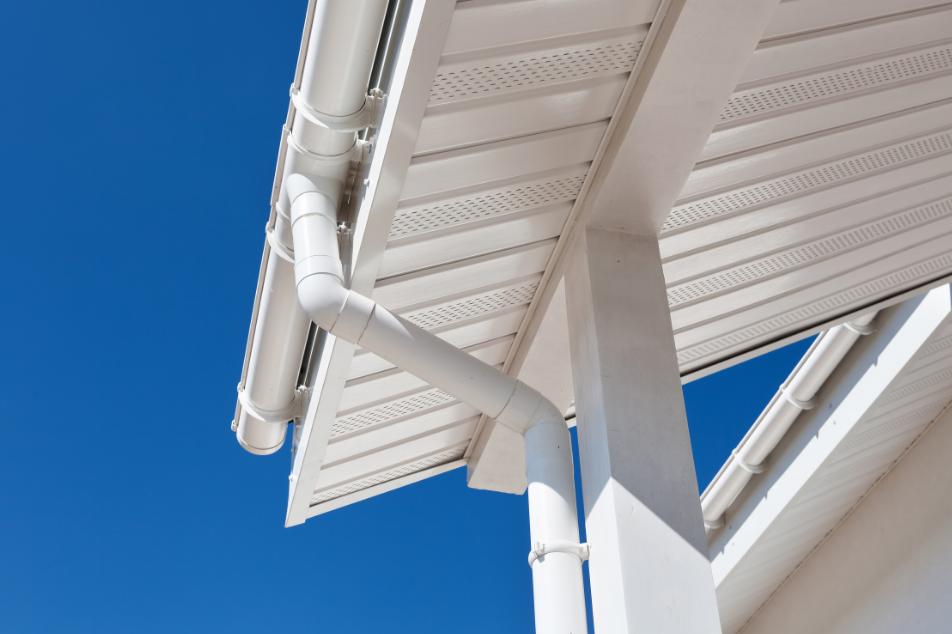
Clogged gutters are a hidden threat that can lead to serious water damage in your home. Gutter guards offer a smart solution by keeping leaves and debris out, allowing rainwater to flow freely. Whether you face heavy rainfall or falling pine needles, choosing the right gutter guard helps protect your foundation, roof, and siding.
This guide explains how gutter guards work, their types, and how they prevent costly repairs. Discover how a simple upgrade can save you time, money, and stress.
The Hidden Threat of Clogged Gutters
Imagine your home’s gutters as the unsung heroes of your roofing system, quietly channeling rainwater away from your foundation. When gutters become clogged with leaves, twigs, and debris, they lose their ability to function properly. The consequences? Water damage that can affect your foundation, basement, siding, and even the roof’s structure.
Clogged gutters lead to overflowing water. This creates puddles around your home, causing erosion and potentially expensive repairs. The repair costs for water damage caused by blocked gutters can range from $1,000 to $4,000. Besides repair costs, such damage may lower your property’s value, making prevention crucial.
Many homeowners overlook the fact that debris buildup doesn’t just block water. It becomes a breeding ground for pests like mosquitoes and mold. It also accelerates gutter deterioration, resulting in costly replacements. Preventive measures, therefore, can save significant time, money, and hassle in the long run.
The Mechanics Behind Effective Gutter Protection
Enter gutter guards: innovative devices designed to keep debris out while letting water flow freely. These guards act as a shield, preventing leaves and grit from entering your gutters but allowing rainwater to pass through seamlessly. Not all gutter guards are created equal, and understanding their technology will help you make an informed choice.
Modern systems often use micro-mesh technology, which features a finely woven stainless steel mesh. This mesh has openings small enough to block tiny particles like pine needles and shingle grit. It’s also large enough to let heavy rainfall drain efficiently. This design has a self-cleaning effect, where wind sweeps away accumulated debris. Brands like LeafFilter and GutterGlove offer long-lasting, rust-resistant mesh protections with warranties exceeding 20 years.
Another innovative design is the reverse curve gutter guard. These guards use water’s natural surface tension to guide rainwater over a curved surface into the gutter. Leaves and debris fall harmlessly to the ground. This method reduces maintenance as it prevents large debris from entering the system. Some top reverse curve brands handle up to 32 inches of rainfall per hour and come with reinforced installations that withstand extreme weather.
For homeowners on a budget, foam and brush gutter guards provide practical, affordable protection. Foam inserts fit snugly in gutters, blocking leaves while allowing water flow. They do need periodic rinsing to clear fine particles. Brush guards use a bundle of bristles to filter debris. They work particularly well if pine needles are the primary concern and require simple installation without tools.
Choosing the Right Gutter Guard for Your Environment
Selecting the best gutter guard depends on your home’s surroundings, climate, and maintenance preferences. If you live amongst large trees that shed tiny needles, micro-mesh guards offer superior protection from even the smallest debris.
For areas prone to heavy rainfall, systems like Leafguard’s aluminum reverse curve excel in water management. They prevent overflow and reduce cleaning frequency. On the other hand, homes with moderate debris might find brush guards sufficient. Their ease of install and lower cost are also big advantages.
Remember, gutter guards greatly reduce maintenance, but they don’t entirely eliminate it. Periodic inspections, about once or twice a year for micro-mesh and reverse curve types, ensure optimal performance. Foam and brush guards may need more frequent cleaning, but they are still much easier than traditional gutter cleaning.
Maintaining Your Gutter Guards for Longevity and Performance
Installing gutter guards is only half the battle. Regular upkeep ensures they keep your home safe long-term. A quick inspection and cleaning schedule can prevent small issues from escalating. For instance, rinsing off debris from micro-mesh surfaces or removing and washing foam inserts maintains flow efficiency.
During each inspection season, check for any damage, warping, or detachment. Harsh weather like heavy snow or storms may damage or shift guards. Securing and repairing them promptly avoids water backup. Although guards reduce gutter cleaning demands, mindful maintenance protects your investment and extends the system’s lifetime.
If you notice persistent water pooling or leaks despite gutter guard installation, consult specialists. They can perform thorough inspections and repairs.
In short, gutter guards provide a powerful defense against clogged gutters. They reduce the risk of water damage that can compromise your home’s foundation, roofing, and interior. From high-tech micro-mesh systems to budget-friendly foam inserts, there is a solution tailored to every home environment and budget. Understanding your local environment and maintenance needs will guide your investment choice.