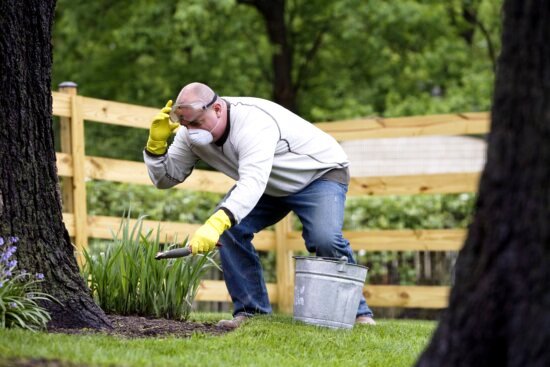

Pruning is a secret weapon to transform your garden into a stunning oasis. If you’ve ever stood perplexed in front of your plants wondering when or how much to cut, you’re not alone. Thankfully, mastering smart pruning doesn’t have to be complicated. By following three simple rules, you’ll enhance plant health, encourage vibrant growth, and give your garden that polished, professional look it deserves.
Why Smart Pruning Makes Your Garden Shine
Pruning is more than just snipping branches here and there. It’s an essential technique that keeps your plants thriving while highlighting their natural beauty. When done right, it removes problem areas such as dead or diseased parts and opens space to improve air circulation and sunlight penetration.
By embracing smart pruning, you provide plants the opportunity to channel their energy into producing lush foliage, abundant flowers, and juicy fruits. Imagine your apple trees bursting with fruit or your roses flaunting fuller blossoms, all thanks to targeted cuts that boost vitality.
Before diving into specific tactics, remember a crucial point: healthy plants are beautiful plants. Smart pruning maximizes health and aesthetics, making your garden a showstopper year-round.
Rule 1: Eliminate the Unhealthy
The first step in any pruning session is to identify and remove what’s dragging your plants down. This means cutting away dead, diseased, or damaged branches. These parts not only sap energy but can also become gateways for pests and infections.
Look closely for branches that appear brittle, discolored, or spotted with mold. Using sharp, sterile tools is key to making clean cuts that heal quickly. Dispose of unhealthy material properly, avoiding compost piles that might spread disease.
Rule 2: Thin for Airflow and Light
Overcrowded plants often struggle because their leaves and branches block sunlight and trap moisture. Smart pruning involves thinning, removing tangled, crossing, or crowded growth. This practice improves airflow, reduces fungal risks, and ensures each leaf snags its fair share of sunlight.
Focus on cutting back weak or spindly shoots and any water sprouts or suckers emerging from base areas. The result is a balanced, open framework that encourages strong, healthy growth throughout the plant.
Rule 3: Shape with Purpose and Grace
Once you’ve pruned away the damaged and thinned the dense sections, it’s time to sculpt your plants thoughtfully. Aim to maintain a natural shape that complements each species. Overzealous cutting can stress plants, so take a gentle approach.
When trimming, always cut just above an outward-facing bud or lateral branch. Angled cuts prevent water pooling and encourage outward growth, resulting in a bushier and more aesthetically pleasing silhouette.
Smart shaping not only beautifies but also directs your plant’s energy into productive branches, providing a healthier structure that lasts through seasons.
Applying Smart Pruning to Your Garden’s Stars
Different plants demand tailored pruning approaches. Knowing how to apply these three rules across your fruit trees, ornamental shrubs, vegetables, and indoor plants will guarantee impressive results.
Fruit Trees: Balance and Productivity
Fruit trees respond well to regular pruning that combines health and shape. Start by removing unhealthy limbs, then thin branches to enhance sunlight and air circulation. Focus on removing branches that cross or crowd, and finally, trim long extensions to keep the canopy balanced.
This strategy not only reduces disease risk but also boosts fruit quality and yield, turning your orchard into a thriving paradise.
Flowering Shrubs: Encouraging Blossoms
For vibrant flowering shrubs like roses, hydrangeas, and lilacs, pruning promotes glorious blooms. Cut out old, woody stems that no longer flower, thin dense clusters, and shape the bush to invite more light inside.
These steps create a luxuriant floral display while ensuring the plants don’t grow congested or weak.
Vegetables: Healthy Harvests Start Here
Vegetables like tomatoes and peppers benefit greatly from smart pruning. Remove yellowed or diseased leaves promptly to prevent infections. Thin excess foliage to improve airflow and allow more sunlight to reach lower leaves.
Trim leggy stems to encourage bushier, more productive plants, which means tastier harvests and fewer pest problems throughout the season.
Houseplants: Compact and Charming
Indoor greens also thrive with smart pruning. Remove wilted, yellow, or damaged leaves regularly. For vining plants such as pothos or philodendron, trimming leggy vines keeps the plant compact and full.
Frequent pruning sustains tidy, attractive plants that brighten your living space and improve indoor air quality.
Common Pitfalls to Dodge in Smart Pruning
Even with clear guidelines, mistakes can sneak into your pruning routine. Recognizing these errors helps keep your garden on track.
- Avoid over-pruning: Cutting more than 25% of foliage at once can shock plants and hamper growth. Patience pays off—prune gradually over time.
- Timing matters: Prune spring-flowering plants right after blooming to avoid sacrificing flowers. For others, like roses or summer bloomers, late winter pruning works best.
- Maintain your tools: Dull or grimy shears cause ragged cuts inviting disease. Clean and sharpen tools before every session.
- Follow growth patterns: Cut above a bud or lateral branch to encourage sturdy, healthy shoots instead of weak growth.
By applying these smart pruning principles, you’ll unlock your garden’s full potential. For detailed guidance on plant care fundamentals, check out tips on refreshing your garden beds with ramial chipped wood mulch and clever ways to plant bare-rooted plants. Want to add a dash of charm? Consider crafting a delicate flower crown from your blooms or follow a step-by-step guide to create floral elegance at home.
Smart pruning ensures your garden stays healthy, productive, and truly breathtaking. With just a sharp pair of shears, a little know-how, and some patience, your outdoor space will quickly become the envy of the neighborhood.
Ready to transform your garden with expert pruning techniques? Reach out today to connect with professional gardeners who can guide you every step of the way. Let your green thumb shine!