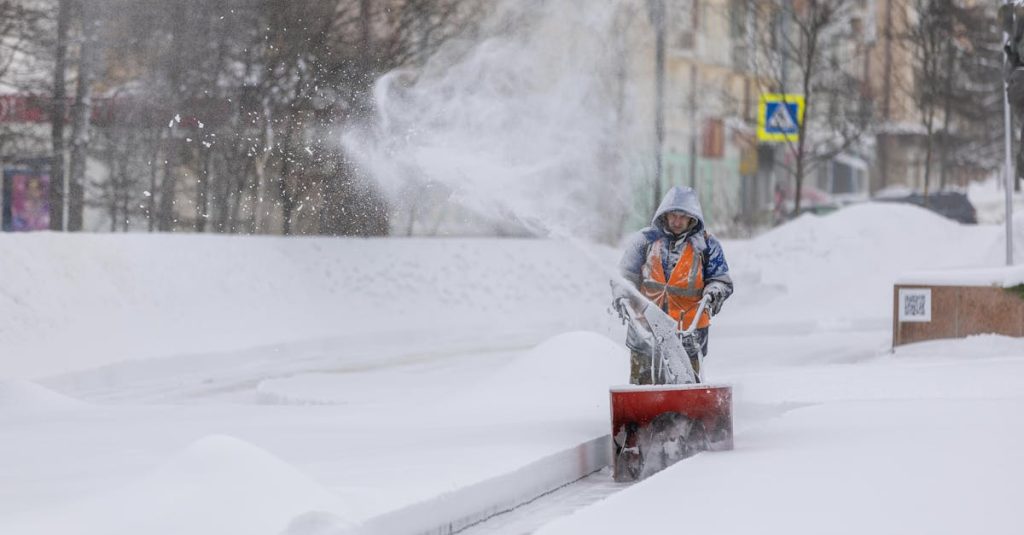
Snow and ice buildup can quickly turn walkways into hazardous zones, especially during unpredictable winter storms and freezing conditions. Smart snow removal techniques help prevent slips, protect surfaces, and keep outdoor paths safe, clean, and accessible all season. This guide shares trending tips and eco-friendly tools to simplify winter maintenance while saving time, effort, and unnecessary stress. Whether you’re preparing for a storm or clearing morning frost, these walkway protection strategies make snow removal safer and smarter.
Why Timely Snow Clearing Is Essential for Safety and Convenience
Snow-covered paths may look charming, but they quickly become slippery hazards that disrupt routines and increase accident risks. Being proactive with snow clearing helps prevent injuries, reduces liability, and keeps your property functional throughout the winter months.
Fresh snow is lighter and easier to remove, while packed snow becomes icy, heavy, and much harder to manage effectively. Clearing snow during a storm prevents ice bonding, reduces slip risks, and makes walking safer for residents and visitors alike.
Early action matters.Once snow compacts, removal becomes labor-intensive and increases the chance of surface damage or injury. Frequent clearing during snowfall lightens the workload and ensures safer, more accessible walkways for everyone using your property.
Choosing the Right Tools and Techniques for Effective Snow Removal
Reliable snow removal gear is essential for efficient winter upkeep and helps you manage snow quickly without unnecessary strain. For small areas like stairs or porches, ergonomic shovels with nonstick coatings glide through snow and reduce physical effort.
Larger spaces like driveways benefit from snowblowers, which offer speed, power, and consistent results with minimal manual labor. When ice forms, use deicers or traction enhancers to maintain grip and prevent dangerous slips on high-traffic surfaces.
Rock salt works above 15°F, while magnesium or calcium chloride remain effective in colder temperatures and protect vegetation better.
Sand or kitty litter provide instant traction without melting ice, making them eco-friendly options for sensitive outdoor areas.
Combining ergonomic tools with proper ice management ensures faster clearing and protects both your body and your property.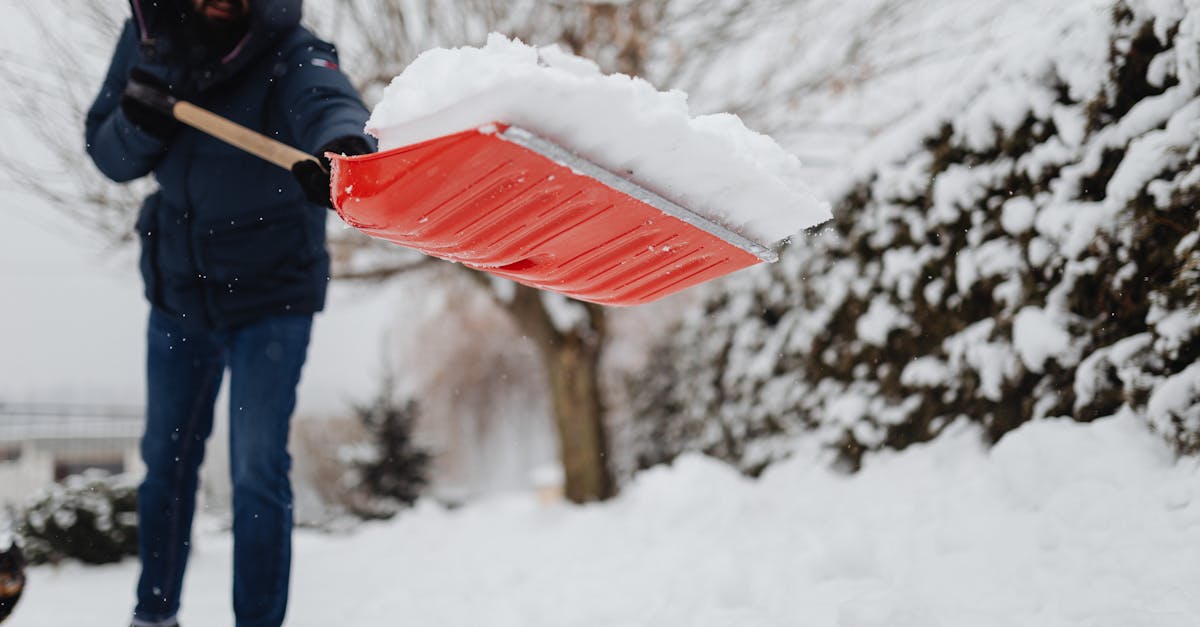
Pre-Storm Strategies That Make Post-Snowfall Cleanup Easier
Smart preparation before a storm reduces cleanup time and keeps your walkways safer with less effort after snowfall.
Mark garden beds and paths with tall stakes to avoid damaging landscaping features hidden beneath heavy snow layers. Apply liquid deicers like magnesium chloride a few hours before snowfall to prevent ice from bonding to outdoor surfaces.
Pre-treatment simplifies manual removal and limits snow accumulation, especially on stairs, walkways, and entry points. Snow-melting mats offer a modern solution by gently heating surfaces and preventing snow buildup in high-traffic areas. These mats reduce the need for repeated shoveling and minimize chemical use, making them ideal for eco-conscious homeowners.
Special Considerations: Protecting Surfaces and Supporting Vulnerable Individuals
Different surfaces require tailored snow removal strategies to avoid damage and maintain long-term durability through harsh winter conditions.
- Avoid salt-based deicers on new concrete or wood decks to prevent erosion, staining, and long-term structural issues.
- Use calcium chloride or sand for traction on delicate surfaces, and shovel parallel to deck boards to avoid scratches.
- For seniors or those with mobility challenges, winter chores can be risky without proper tools or support systems in place.
- Ergonomic shovels with adjustable handles and electric snow throwers reduce strain and make clearing safer and more manageable.
- Heated mats prevent ice buildup in critical areas, offering added safety for vulnerable individuals during freezing conditions.
Local “Snow Angel” programs or professional services ensure help is available for those unable to manage snow removal themselves.
Comparison of Popular Deicing Products
Using the right product for your climate and surface type helps manage ice effectively while protecting your property. Here’s a quick comparison of popular deicing products to help you choose the most effective and surface-safe option:
| Deicing Agent | Effective Temperature Range | Pros & Cons |
|---|---|---|
| Rock Salt (Sodium Chloride) | Above 15°F (-9°C) | Inexpensive but can damage plants and concrete |
| Magnesium Chloride | Down to -15°F (-26°C) | Less harmful to vegetation, more costly |
| Calcium Chloride | Down to -25°F (-32°C) | Effective in extreme cold, gentle on plants |
| Sand/Kitty Litter | N/A (provides traction only) | Environmentally friendly, no melting action |
| Urea | Above 20°F (-6°C) | Dual purpose fertilizer and deicer, less common |
Mastering snow removal means combining timely action, proper equipment, and smart techniques to keep your walkways safe and accessible. Frequent clearing during storms, using ergonomic tools, and applying pre-treatment strategies help prevent accidents and surface damage. Tailored approaches protect your property, while community support and professional services ensure everyone stays safe this winter. Contact ITB Landscaping today to explore snow removal solutions designed for your home, your schedule, and your safety.