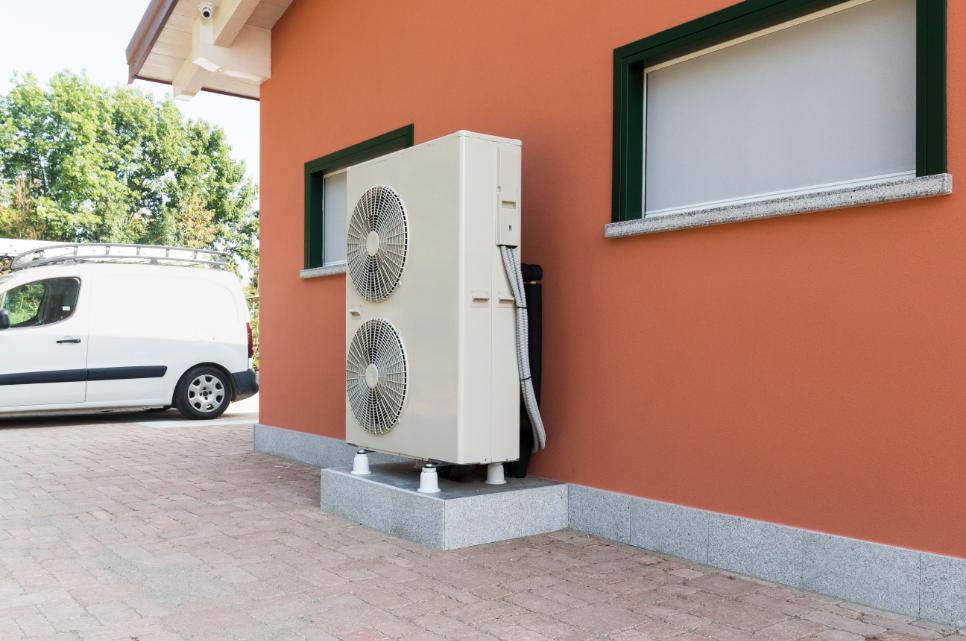
Designing an eco-heated home starts with embracing innovative, sustainable technology that transforms energy efficiency. Enter the heat pump, a game-changer in domestic heating solutions known for extracting natural warmth from the environment. Instead of burning fossil fuels like traditional boilers, these systems cleverly harness heat from the air, ground, or water, generating eco-friendly heating and hot water that reduces carbon emissions.
Eco-Heating Revolution: Why Choose a Heat Pump?
Heat pumps suit various home types, from modern city houses to countryside retreats. They come in different flavors:
- Air-source heat pumps (ASHPs) collect heat from the surrounding air to warm your home efficiently.
- Ground-source heat pumps (GSHPs) use the earth’s natural thermal energy to deliver consistent heating year-round.
Both systems boast impressive energy efficiency and promise cost-effective operation, especially when paired with top-notch insulation and smart home design.
With governmental schemes like the Boiler Upgrade Scheme, households can enjoy significant savings on installation, further promoting the adoption of heat pumps. Considering a heat pump means investing in a greener home, lowering utility bills, and future-proofing against rising fossil fuel prices.
Key Principles for Designing an Eco-Heated Home with Heat Pumps
Designing a home optimized for heat pump heating requires blending architectural insight and technical know-how. It goes beyond selecting an efficient unit; the entire building needs to support sustainable heating performance.
First, prioritize high-quality insulation throughout your walls, roof, and floors. Heat pumps operate best in homes that retain heat, so preventing thermal loss is key. Consider triple-glazed windows and airtight construction to keep chilly drafts at bay.
Layout matters too! South-facing windows maximize natural solar gain, helping your heat pump maintain warmth with less energy. Incorporate shading strategies to avoid overheating during summer. Additionally, underfloor heating complements heat pumps perfectly by distributing warmth evenly at lower operating temperatures.
Think about integrating renewable energy sources such as rooftop solar photovoltaics panels. This green energy can power your heat pump and reduce electricity expenses. Combining solar with heat pumps leads to a seamless, eco-friendly heating ecosystem.
Choosing and Installing Your Heat Pump: Expert Tips
Picking the right heat pump depends on your local climate, available space, and home size. Air-source heat pumps provide flexibility and easier installation, while ground-source pumps excel in colder regions but need outdoor space for boreholes or loops.
When installing, consider noise levels and placement to maintain neighborhood peace and aesthetic appeal. Many homeowners cleverly conceal ASHP units behind garden shrubs, blending functionality with design. GSHP units are typically housed underground, making noise concerns minimal.
It’s wise to collaborate with certified heating experts ensuring the system functions efficiently from day one. Professionals handle everything from heat load calculations to seamless integration with your home’s plumbing and electrical systems. This expert touch optimizes performance and longevity.
Regular maintenance keeps your heat pump in top shape, from keeping filters clean to scheduling professional check-ups. Such care prevents malfunctions and sustains energy savings year-round. Learn how to maintain your HVAC system like a pro.
Innovations and Enhancements for a Future-Proof Eco-Heating Home
Modern homes can harness heat pumps alongside a suite of technological and ecological upgrades. Integration with smart thermostats allows precision control, adapting heating patterns to your lifestyle and weather conditions. This boosts comfort and trims energy waste effortlessly.
Heat recovery ventilation (HRV) systems complement heat pumps by reclaiming warmth from the stale air exhausted outside. This synergy elevates indoor air quality while minimizing heat loss. A healthy, energy-efficient environment emerges from the perfect marriage of these technologies.
For those designing from scratch or major renovations, exploring passive solar design methods further slashes heating demands. Strategic window orientation, thermal mass materials, and shading can naturally regulate your home’s temperature, reducing dependence on mechanical heating.
Embracing these innovations yields a cozy, low-carbon home that’s equally kind to the planet and your wallet. For professional advice on expert installation and reliable system options, explore seamless system installations by certified heating experts.
Comparing Air-Source and Ground-Source Heat Pumps: Which Suits You Best?
| Feature | Air-Source Heat Pumps (ASHP) | Ground-Source Heat Pumps (GSHP) |
|---|---|---|
| Installation Complexity | Relatively simple; units mounted outdoors | Requires excavation or drilling; more disruptive |
| Efficiency | Good, especially in mild climates | Higher and consistent, ideal for cold climates |
| Space Requirements | Minimal outdoor space needed | Requires significant land for loops or boreholes |
| Noise Level | Some operational noise, can be mitigated by placement | Very quiet, as main components are underground |
| Cost | Lower upfront, moderate running costs | Higher initial investment, lower running costs |
| Lifespan | 15-20 years | 20-25+ years |
Designing an eco-heated home with a heat pump is a smart move toward sustainability, energy savings, and comfort. By focusing on superior insulation, smart layout, and combining renewable energy sources, you maximize your heat pump’s efficiency. Selecting the right type, such as air-source or ground-source, depends on your space, budget, and climate. Partnering with professionals, like Tamas Mechanical, for installation and maintenance ensures your system performs reliably for years.
Innovations like smart thermostats, heat recovery ventilation, and passive solar design enhance your home’s eco-credentials, while government incentives make installation more affordable. Whether renovating or building new, embracing heat pump technology helps you create a cozy, future-ready home.
https://www.youtube.com/watch?v=ARAuZApzDZA0