Embracing simple routines can transform daily life for older adults, enhancing comfort and independence. Seniors who adopt gentle, consistent practices often experience better physical and mental health, creating an environment where aging gracefully is achievable. These small changes promote autonomy and happiness without overwhelming routines.
It’s remarkable how incorporating manageable habits like gentle stretching or mindful hydration can make each day more enjoyable. Through thoughtful attention to everyday actions, seniors can maintain vitality and enhance their overall quality of life.
Let’s explore practical habits that uplift senior well-being effortlessly, tailored to fit home life.
Gentle Physical Activity to Maintain Mobility
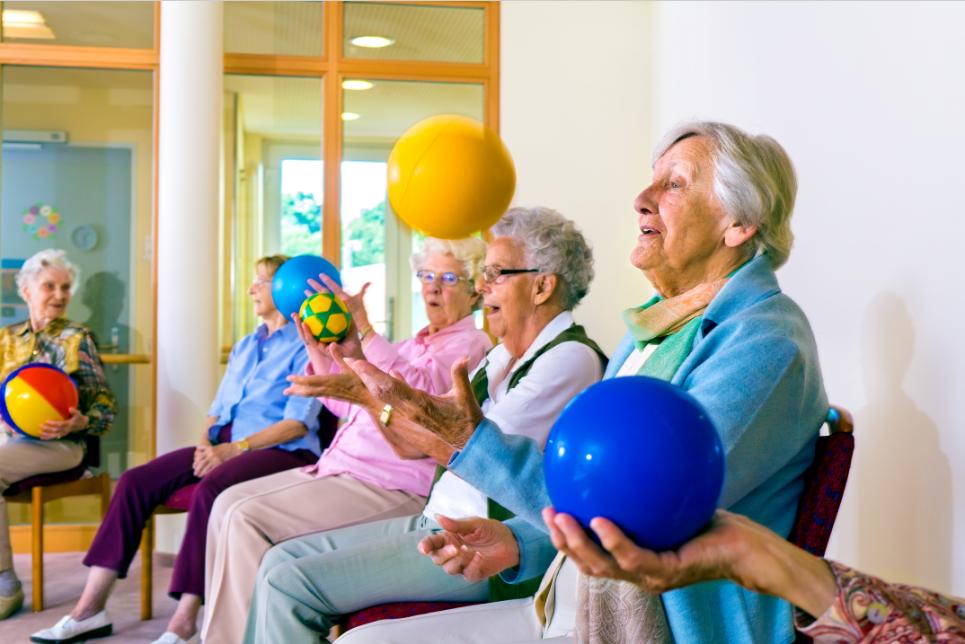
Engaging in light exercise as part of your daily care routine preserves muscle tone and joint flexibility. Activities such as walking around the house, chair yoga, or tai chi safeguard balance, reducing the risk of falls. Movement stimulates circulation and uplifts mood, setting a positive tone for the day.
Starting with just 10 minutes of movement can provide noticeable benefits in strength and energy. The key is consistency and choosing activities that inspire joy rather than strain.
Balanced Nutrition for Energy and Immunity
A diet rich in colorful fruits, vegetables, lean proteins, and whole grains supplies essential nutrients to support body and mind. Staying mindful of portion sizes and limiting processed foods helps maintain healthy weight and blood pressure. Seniors often require extra calcium and vitamin D, so consulting healthcare providers about dietary needs is wise.
Preparing simple, nutritious snacks such as nuts or yogurt ensures energy throughout the day.
Hydration: The Unsung Hero of Senior Health
Many older adults mistakenly overlook how vital regular water intake is for bodily functions. Drinking at least 6 to 8 cups of water daily prevents fatigue and confusion, common signs of dehydration. Flavoring water naturally with lemon or cucumber can make hydration more enjoyable and refreshing.
Limiting caffeine and alcohol enhances hydration balance and supports restful sleep cycles.
Mental Engagement for Cognitive Vitality
Keeping the mind active is crucial. Simple mental exercises like puzzles, reading, or learning new skills maintain cognitive sharpness and memory. Engaging in conversations and participating in social activities stimulates mental function while nurturing emotional health.
Integrating brain-boosting games and lifelong learning habits fosters resilience against cognitive decline.
Creating a Safe and Stimulating Home Environment
A thoughtfully arranged living space enhances safety and nurtures well-being. Seniors thrive in environments that minimize hazards while encouraging independence. By making careful modifications and ensuring accessibility, risks can be drastically reduced.
Safety is more than a physical matter; it influences confidence and overall happiness within the home.
Here’s how to transform a living space accordingly.
Fall Prevention through Home Safety Measures
Removing tripping hazards like loose rugs and electrical cords reduces fall risk significantly. Installing grab bars in bathrooms, using non-slip mats, and ensuring ample lighting in every room further protects against accidents.
Choosing sturdy footwear with non-slip soles complements environmental safety efforts perfectly.
Organized Spaces to Reduce Stress
Keeping clutter to a minimum and arranging daily necessities within easy reach can foster calmness and independence. Decluttering not only reduces anxiety but prevents accidents caused by obstacles, contributing to a safer lifestyle.
Creating a designated area for medications, keys, and glasses supports routines and lessens frustration.
Designing a Calming Ambiance
A peaceful environment stimulates relaxation and positive mental health. Elements such as soft lighting, calming colors, and comfortable furniture invite seniors to unwind comfortably. According to expert advice, designing a soothing space tailored to an aging loved one’s preferences can significantly improve well-being (learn more here).
Introducing plants, subtle fragrances, and minimizing noise contributes to an atmosphere of tranquility.
Social Connection as a Cornerstone of Wellness
Regular interaction with family, friends, or community groups combats loneliness and supports emotional resilience. Technology such as video calls can bridge distance, making staying connected easier than ever.
Participation in communal activities or volunteer work delivers both mental stimulation and a sense of purpose, integral to lasting happiness.
Mindful Practices Enhancing Emotional and Physical Health
Well-being encompasses more than physical and cognitive health; emotional balance plays a pivotal role. Mindfulness and relaxation techniques bring calm and foster positivity, essential for long-term wellness.
Embracing these habits nurtures resilience and improves quality of life.
Discover methods that encourage peaceful, joyful living.
Prioritizing Restful Sleep Cycles
Consistent sleep schedules aid in mental clarity, healing, and vigor. Engaging in calming bedtime routines such as reading or soft music prepares the body for rejuvenating rest. Avoiding stimulants close to bedtime ensures more peaceful nights.
If sleep difficulties arise, consultation with healthcare providers can identify solutions ensuring better rest.
Managing Stress Through Relaxation Techniques
Simple methods like deep breathing, meditation, or gentle movements such as tai chi help alleviate tension and uplift mood. Taking these quiet moments daily promotes emotional stability and cognitive health.
Regular relaxation refreshes both mind and body, creating a strong defense against anxiety and depression.
Gratitude and Positive Reflection
Keeping a gratitude journal or sharing happy memories encourages positive emotions, which directly enhance mental health. This practice helps seniors focus on rewarding experiences, fostering a joyful outlook.
Positive reinforcement through reflection promotes memory and uplifts overall well-being.
Incorporating small, daily habits builds a foundation for healthy, independent living at home. Each activity, from gentle physical movement to nourishing meals and maintaining connections, contributes significantly to well-being. Safety and mindfulness practices further enrich this journey by fostering a secure and positive environment.
Take the first step today by choosing one or two habits to integrate and witnessing the uplifting impact on your or your loved one’s life. For personalized support and expert guidance, don’t hesitate to reach out to senior care specialists who can tailor solutions perfectly suited to individual needs.