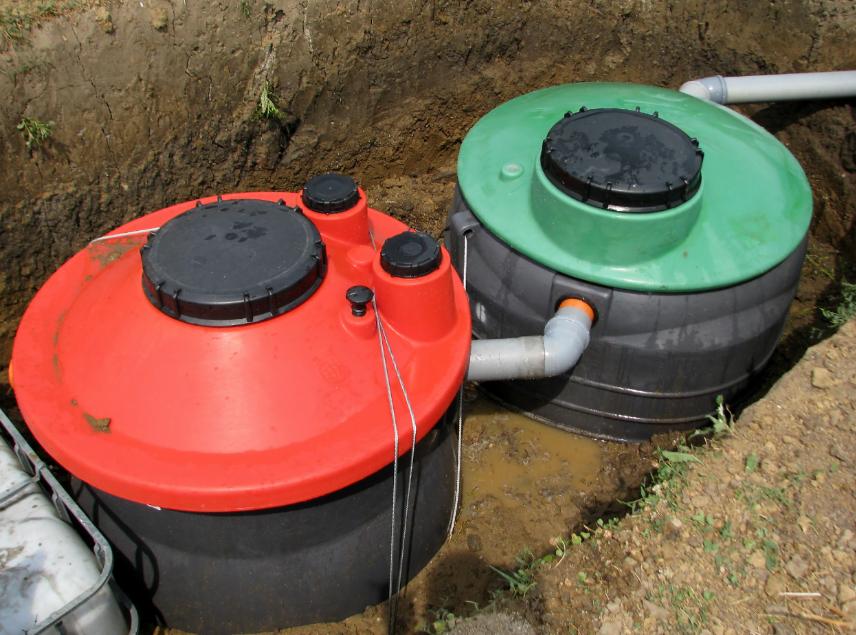
Embarking on a septic system installation is an important step for any property without access to municipal sewage. Before digging begins, understanding the key factors can save you time, money, and future headaches. Knowing what to expect and how to prepare ensures a smooth and successful project.
From assessing the land to picking the right system, these first actions lay the groundwork for a reliable septic setup that lasts. Let’s uncover essential tips every property owner or developer should consider.
Seven Essential Tips for a Successful Septic Installation
Planning is everything when it comes to septic systems. Here are seven crucial points you shouldn’t overlook when starting your installation journey. These tips help prevent costly errors and environmental issues, plus they ensure compliance with legal requirements.
1. Conduct Thorough Soil and Site Evaluation
A careful soil test, often called a percolation or “perc” test, reveals how well your land can absorb wastewater. Each soil type behaves differently; sandy soils allow water to pass quickly, while clay soils retain moisture longer. This balance affects your drain field design and system efficiency. Also, assess the water table level, slope, and proximity to wells or water bodies.
2. Choose the Right Size and Material for Your Tank
Septic tanks vary in size and composition, and selecting the one that matches your household’s needs is vital. Tanks range from 750 to 1,500 gallons or more. Go too small, and you risk system overload; too large may cost unnecessary money upfront. Common materials include concrete, fiberglass, and polyethylene. Weigh durability, maintenance, and installation complexity when choosing.
3. Secure Necessary Permits Before Installation
Permits are non-negotiable in most regions. They ensure your septic system meets safety and health codes set by authorities. Getting permits early avoids legal troubles and project delays. Reach out to your local health or environmental agency to understand the applicable rules, inspections, and documents you’ll need.
4. Hire Experienced Professionals
A reputable installer makes all the difference between a well-functioning system and expensive failures. Look for certified contractors with a thorough track record of successful septic installations. They understand local rules and can advise on the best system design for your property. Do not gamble with DIY installs in this case, as small errors can have serious consequences.
5. Plan for Proper Drain Field Placement
The drain field or leach field is where treated water disperses into the soil. Placement matters to avoid contamination and optimize absorption. It should be far from water sources, foundations, and heavy vehicle paths. The system’s longevity depends on selecting a location with good soil drainage and minimal risk of flooding or compaction.
6. Use Quality Materials and Correct Installation Techniques
Don’t cut corners on pipes, fittings, or tank anchoring methods. Proper materials prevent leaks and environmental hazards. Ensure the tank is securely levelled and the inlet and outlet pipes are tightly connected. Well-installed components significantly reduce maintenance requirements and extend system life.
7. Maintain Your System Regularly After Installation
Installation only marks the beginning. Regular pumping, routine inspections, and mindful water usage keep your system in shape. Avoid dumping harmful chemicals or excessive water, which strain the bacteria inside the tank needed for breaking down waste. Proper care helps you avoid costly repairs and protects the surrounding environment.
Understanding the Costs and Timeline of Septic Installation
Knowing what to budget and how long the process takes can improve your planning. Typical septic installations span from initial evaluation to full system approval and final landscaping.
Costs depend heavily on soil type, tank materials, and system complexity. Here is a general pricing guideline to help you anticipate expenses:
| Cost Component | Estimated Price Range (USD) |
|---|---|
| Site Evaluation and Permitting | $300 – $1,000 |
| Septic Tank Purchase (Material Dependent) | $600 – $2,500 |
| Labor and Equipment | $1,500 – $5,000 |
| Drain Field Construction | $2,000 – $10,000 |
Though the overall investment might range from $3,000 to $10,000 or more, the payoff is a dependable, eco-friendly waste system that supports your property’s value.
Ensure Longevity and Compliance with Smart Choices
Making informed decisions at each stage of your septic system project leads to fewer issues down the road. From thorough evaluations and proper permits to selecting expert installers, every step protects your home and the environment. A well-designed septic system not only meets legal standards but also integrates smoothly into your property’s landscape.
Regular maintenance and understanding your system’s limits keep it working efficiently for decades. Preparing upfront can carry peace of mind and cost savings over the long term.
Ready to take the next step? Reach out to specialist septic installers who bring professionalism and expertise to your project. Make sure you properly maintain and monitor your septic system. Partner with trusted professionals for a smooth, durable solution that delivers peace of mind for years to come.