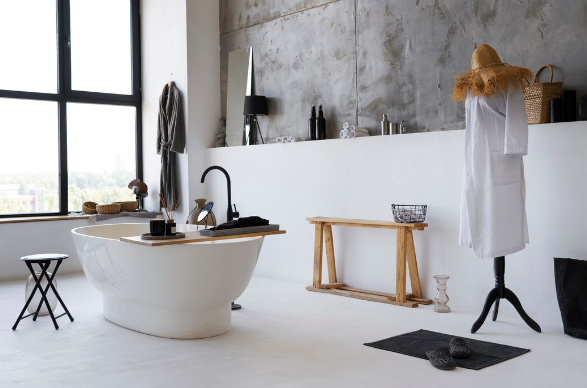
When it comes to designing a bathroom that stands the test of time, choosing the right tiles is crucial. Waterproof materials are essential not only for maintaining aesthetic appeal but also for ensuring durability against moisture and humidity. Selecting the appropriate bathroom tiles can greatly influence the longevity and overall functionality of your space. Understanding the benefits of waterproof tiles will help you create a bathroom that is both stylish and practical, enabling you to enjoy a serene and functional environment for years to come.
Understanding Waterproof Materials
Waterproof bathroom tiles come in various forms, each offering unique advantages. The key is to recognize which materials suit your needs best.
- Ceramic and Porcelain Tiles: These are among the top choices for bathrooms. They have a water absorption rate of less than 0.5%, making them highly resistant to moisture. Additionally, their durability and wide range of designs make them appealing.
- Natural Stone Tiles: Options such as granite, slate, and travertine can provide a luxurious appearance. However, they typically require sealing to enhance their water resistance and maintain their appearance.
- Vinyl Tiles: An affordable and versatile option, vinyl tiles are entirely waterproof. They come in various designs and are easier to install than many traditional materials, making them an excellent choice for DIY enthusiasts.
The Importance of Tile Grout
While the tile itself offers protection against water, tile grout is equally important. Poor-quality grout can absorb water and lead to mold growth, compromising the longevity of your bathroom. To prevent this, consider using epoxy grout, which is more water-resistant and durable than traditional cement-based grout. Sealant can also be applied to the grout lines for added protection.
Factors to Consider When Choosing Bathroom Tiles
Style and Aesthetics
The visual appeal of tiles significantly influences the overall atmosphere of your bathroom. Consider the following:
- Color: Lighter colors can make a small bathroom appear more spacious, while darker shades add sophistication.
- Texture: Textured tiles can provide slip resistance, which is vital in wet environments. Consider matte or rough finishes to enhance safety.
- Patterns: Mixing different tile patterns can create a unique look, but be careful not to make the design too chaotic. A balanced approach is essential for a coherent aesthetic.
Durability and Maintenance
Bathroom tiles must endure a lot—constant foot traffic, humidity, and cleaning products. Choose materials that are durable and easy to maintain. Porcelain and ceramic tiles require little upkeep when compared to natural stone tiles, which may need more frequent sealing and careful cleaning. Always check the manufacturer’s guidelines for cleaning to ensure longevity.
Cost-Effectiveness
Establishing a budget before tile shopping is key. While it may be tempting to invest in high-end tiles, don’t overlook budget-friendly options that offer great value and appeal. Vinyl tiles, for instance, can mimic the look of stone or wood at a fraction of the cost.
Conclusion: Making the Right Choice
In conclusion, equipping your bathroom with the right tiles is not simply a matter of aesthetics; it’s about durability and practicality. By considering waterproof materials such as ceramic, porcelain, and vinyl, along with the importance of grout and maintenance, you set yourself on a path toward a long-lasting, beautiful bathroom.
If you’re looking for expert advice and quality products to complete your bathroom renovation, consider reaching out to AJ Ceramic Tile and Marble Ltd for tailored solutions that meet your specific needs.
In summary, selecting the right waterproof materials for bathroom tiles is crucial to ensure the longevity and durability of your bathroom. With the constant exposure to moisture, it is essential to choose tiles that can withstand the test of time and maintain their aesthetic appeal. Waterproof tiles not only help in preventing damage from water but also contribute to a healthier indoor environment by minimizing mold and mildew growth.