When it comes to building interiors, the choice between
drywall and
plaster plays a crucial role in determining the overall performance regarding
soundproofing and
durability. Each material possesses unique characteristics that cater to varying preferences and requirements in construction. Understanding the differences between these two options can significantly influence the effectiveness of a structure’s sound control and its longevity against wear and tear. As homeowners and builders seek the best solutions to enhance their living spaces, evaluating the benefits and drawbacks of drywall and plaster becomes essential for informed decision-making.
Understanding the Basics: Drywall and Plaster
When it comes to interior wall construction,
drywall and
plaster are two commonly used materials that each have their own unique set of benefits and drawbacks. Knowing how they stack up against each other in terms of
soundproofing and
durability can help you make informed decisions for your home improvement projects.
What is Drywall?
Drywall, also known as gypsum board, consists of a core made of gypsum sandwiched between two sheets of thick paper. This material is widely appreciated for its ease of installation and cost-effectiveness. It can quickly cover large areas, making it a popular choice for new builds and renovations alike.
What is Plaster?
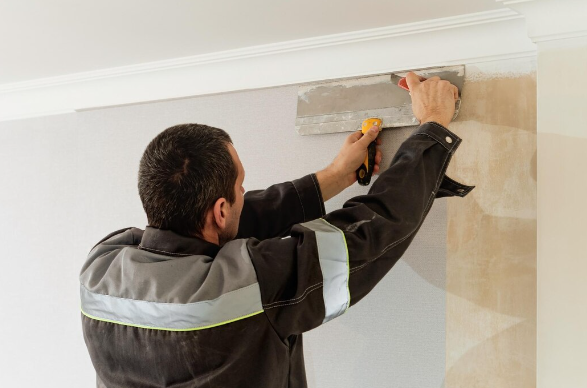
Plaster involves a mixture of gypsum, lime, or cement, and water, which is applied wet to surfaces and stiffens as it dries. It has been used for centuries and offers a more traditional aesthetic. Unlike drywall, plaster can be more labor-intensive to apply but provides a smooth, hard finish that’s often favored in historical homes.
Soundproofing Capabilities: Drywall vs. Plaster
The ability to block sound transmission is a crucial consideration in both residential and commercial settings. Let’s explore how drywall and plaster fare in this regard.
Soundproofing with Drywall
Drywall typically does a fair job of soundproofing, especially when designed with sound-dampening properties. You can enhance its performance by using soundproof drywall, which incorporates materials that absorb sound waves. Adding additional layers of drywall or employing resilient channels can significantly improve sound isolation.
The Soundproofing Superiority of Plaster
On the other hand, plaster offers excellent soundproofing qualities due to its mass and density. The hard surface of plaster walls can reflect sound, while its thickness works to absorb noise, creating a quieter indoor environment. For homes or buildings requiring utmost sound isolation, plaster often comes out ahead, especially in multi-family dwellings where noise can be a significant concern.
Durability Comparison: Which One Lasts Longer?
Durability plays a critical role in selecting wall materials, particularly in high-traffic areas. Let’s examine how drywall and plaster stand up to wear and tear.
Drywall Durability
While drywall is smoother and lighter, it can be prone to scratches and dents. It is relatively easy to repair any damage, making it a more practical option for areas that may experience frequent bumps or impacts. However, it is less moisture-resistant than plaster, which can lead to mold issues in wet conditions unless specially treated.
The Resilience of Plaster
Plaster walls are known for their rugged durability. Their harder surface is much less likely to be dented or scratched, making them ideal for certain environments. Furthermore, plaster can withstand moisture better than traditional drywall if applied correctly, preventing potential water damage and mold growth.
Choosing the Right Option for Your Home
When deciding between drywall and plaster, your
specific needs will ultimately dictate the best choice. Here are a few key considerations to help in your decision:
- Cost: Drywall is generally more budget-friendly.
- Installation: Drywall is quicker to install, while plaster is more labor-intensive.
- Soundproofing: Plaster offers superior soundproofing capabilities.
- Durability: Plaster is more robust, making it ideal for long-term use.
Ultimately, choosing between drywall and plaster depends on the specific requirements of your space. Whether you favor the cost-effectiveness and quick installation of drywall or the aesthetic and durability offered by plaster, both materials have unique advantages. For more insights into drywall effectiveness, check out
this article. Alternatively, if you’re considering enhancements like flooring, explore
this resource for professional guidance.
Ultimately, the choice between
drywall and
plaster hinges on a variety of factors including budget, installation preferences, and specific acoustic needs. For those prioritizing soundproofing and durability, plaster may be the superior choice, while drywall might appeal to those looking for a quicker, cost-effective solution. Each material has its advantages, and understanding these differences is crucial for making an informed decision that aligns with personal or project-specific requirements.