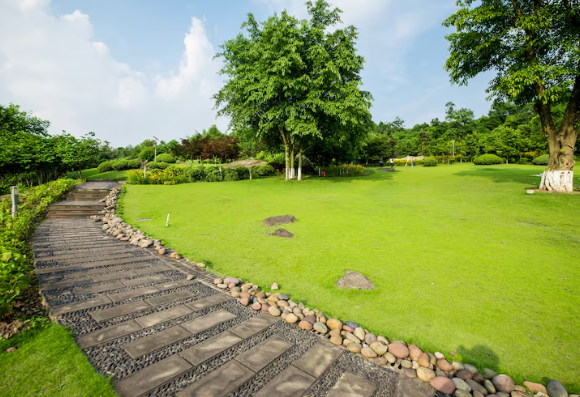
Creating a beautiful and functional outdoor space doesn’t have to mean constant upkeep and maintenance. As we shift towards a more sustainable lifestyle, understanding the principles of landscape design becomes crucial for crafting low-maintenance gardens that thrive beautifully. This comprehensive guide explores essential design elements that allow homeowners to enjoy serene outdoor spaces while minimizing the workload associated with traditional gardening. From selecting the right plants to efficient hardscaping techniques, these principles ensure your outdoor haven remains appealing and sustainable well into the future.
Understanding Landscape Design for Low-Maintenance Gardens
Landscape design is akin to storytelling; it conveys emotions and creates experiences through well-planned layouts and plant selections. The foundation of any low-maintenance garden lies in choosing native plants and drought-tolerant plants that flourish in local climates, requiring less water and care. By doing so, you contribute to soil health and promote biodiversity.
Why Low-Maintenance Landscape Design Matters
Modern lifestyles often leave little time for intensive garden care. A low-maintenance landscape offers an ideal balance between functionality and aesthetics, allowing property owners to enjoy their outdoor spaces without being tied to constant maintenance tasks.
Beyond convenience, these landscapes can also:
- Reduce water consumption
- Lower long-term maintenance costs
- Improve property value
- Support environmental sustainability
- Enhance year-round curb appeal
A well-designed landscape is like a finely tuned machine: every element serves a purpose and contributes to overall efficiency.
Choosing Low-Maintenance Plants for Sustainable Landscaping
One of the most important landscape design principles involves selecting plants suited to local climate and soil conditions. Native and drought-tolerant species typically require less watering, fertilization, and pest management than exotic varieties.
Characteristics of Low-Maintenance Plants
| Feature | Benefit |
|---|---|
| Drought tolerance | Reduces irrigation needs |
| Disease resistance | Minimizes treatment requirements |
| Slow growth rate | Decreases pruning frequency |
| Adaptability to local conditions | Improves long-term survival |
| Perennial growth habit | Returns year after year |
Grouping plants with similar water and sunlight requirements further simplifies maintenance while promoting healthier growth.
Incorporating Hardscaping to Reduce Landscape Maintenance
Hardscape features play a crucial role in creating a low-maintenance outdoor space. Patios, pathways, retaining walls, decorative stone areas, and gravel beds reduce the amount of lawn and planting areas that require ongoing care.
Popular Hardscape Elements
- Stone walkways
- Paver patios
- Decorative gravel sections
- Raised garden beds
- Retaining walls
- Outdoor seating areas
Strategically placed hardscape features add structure and visual interest while significantly decreasing maintenance demands. They also help manage drainage and improve accessibility throughout the property.
Smart Lawn Alternatives for Easier Yard Care
Traditional lawns often require the greatest investment of time and resources. Mowing, fertilizing, watering, and weed control can quickly become burdensome.
Fortunately, several alternatives offer beauty without the constant upkeep.
Low-Maintenance Ground Cover Options
- Native grasses
- Clover blends
- Creeping thyme
- Decorative mulch
- Gravel landscapes
- Moss gardens in shaded areas
These alternatives can create a lush, inviting appearance while reducing maintenance responsibilities and resource consumption.
Efficient Irrigation Systems for Low-Maintenance Landscaping
Water management is another essential component of sustainable landscape design. An inefficient irrigation system not only wastes water but also encourages excessive plant growth and weed development.
Modern irrigation solutions can help maintain healthy landscapes with minimal intervention.
Best Practices for Efficient Watering
- Install drip irrigation systems
- Use programmable smart controllers
- Water during early morning hours
- Apply mulch to retain soil moisture
- Group plants according to water needs
A properly designed irrigation strategy allows landscapes to thrive while reducing both water usage and maintenance requirements.
Using Mulch to Simplify Garden Maintenance
Mulch is one of the most effective tools for creating a low-maintenance landscape. Acting as a protective blanket, it helps regulate soil temperature, conserve moisture, and suppress weed growth.
Benefits of mulch include:
- Reduced watering frequency
- Fewer weeds
- Improved soil health
- Protection against erosion
- Enhanced visual appeal
Organic mulches gradually break down and enrich the soil, creating a healthier growing environment for plants over time.
Designing Functional Outdoor Spaces with Long-Term Efficiency
A successful low-maintenance landscape combines beauty with practicality. Rather than filling every available space with plants, effective designs prioritize functionality and simplicity.
Principles of Efficient Landscape Layout
| Design Principle | Maintenance Advantage |
| Defined planting zones | Easier care routines |
| Simplified plant palette | Consistent maintenance needs |
| Open spaces | Reduced clutter and upkeep |
| Strategic focal points | Greater visual impact with fewer elements |
| Durable materials | Longer lifespan and lower repair costs |
By focusing on intentional design rather than excessive ornamentation, homeowners can achieve a polished and sophisticated appearance that remains manageable over the years.
Creating a low-maintenance outdoor space requires thoughtful planning, strategic plant selection, efficient irrigation, and the careful integration of hardscape elements. By applying proven landscape design principles, homeowners can enjoy attractive, functional, and sustainable landscapes without dedicating excessive time to upkeep. For professional guidance in designing and creating beautiful low-maintenance outdoor environments tailored to your property, consider consulting Ihome Design & Renovation for expert landscaping solutions.