A reliable protection dog is far more than a powerful animal with natural guarding instincts. True protection comes from discipline, control, and specialized training that transforms a dog’s innate abilities into dependable protective behavior. Professional personal protection training plays a crucial role in developing dogs that can distinguish genuine threats from everyday situations while remaining obedient and stable companions.
The Foundation of Professional Personal Protection Training
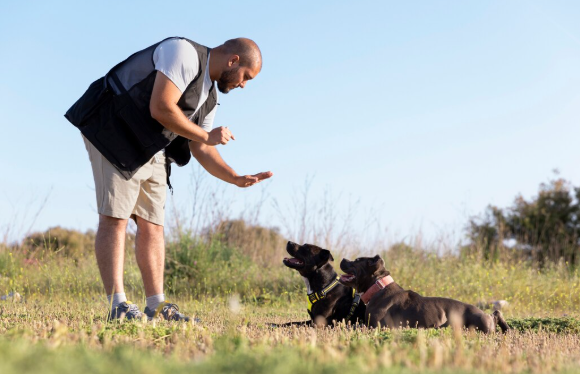
Personal protection training begins with building a strong relationship between the dog and its handler. Before any advanced protection exercises are introduced, trainers focus on obedience, socialization, and communication.
A dog must learn to:
- Respond consistently to commands
- Remain calm in crowded environments
- Ignore distractions
- Demonstrate controlled behavior around people and animals
- Develop trust in its handler
Without these fundamentals, protection training can become ineffective or even counterproductive. A well-trained protection dog is expected to act with precision, not impulse.
Key Training Stages for Protection Dogs
| Training Stage | Primary Objective |
|---|---|
| Basic Obedience | Establish command responsiveness |
| Socialization | Build confidence in varied environments |
| Advanced Control | Improve focus under pressure |
| Threat Recognition | Teach identification of potential dangers |
| Protection Exercises | Develop controlled defensive responses |
| Scenario Training | Reinforce real-world reliability |
Each phase contributes to creating a balanced dog capable of making appropriate decisions under stress.
How Protection Dog Training Enhances Reliability
Reliability is the hallmark of a successful protection dog. Professional trainers devote significant time to ensuring that responses become consistent and predictable across different situations.
Rather than encouraging indiscriminate defensive behavior, trainers teach dogs to assess circumstances and react only when necessary. This controlled approach reduces the risk of unwanted aggression while increasing effectiveness when genuine protection is required.
A professionally trained dog learns to:
- Stay alert without becoming anxious
- Follow commands during high-pressure situations
- React proportionately to threats
- Return immediately to a neutral state after an incident
This level of discipline separates trained protection dogs from animals that merely possess protective instincts.
The Importance of Controlled Protection Responses
One of the biggest misconceptions about protection dogs is that they are trained to be aggressive. In reality, professional programs focus heavily on control.
The goal is not to create a dog that seeks confrontation but one that can deter threats and protect when circumstances demand it. Trainers use carefully designed exercises to teach dogs how to engage, disengage, and remain under command at all times.
Benefits of Controlled Protection Training
- Improved public safety
- Reduced risk of inappropriate reactions
- Enhanced handler confidence
- Better decision-making by the dog
- Greater adaptability in changing environments
Like a skilled security professional, a trained protection dog understands that restraint can be just as important as action.
Why Temperament Matters in Personal Protection Training
Not every dog is suited for protection work. Professional trainers evaluate temperament before beginning advanced training programs.
Ideal candidates often display:
- Confidence
- Stability under stress
- Strong work ethic
- High trainability
- Balanced energy levels
Dogs that exhibit excessive fearfulness, nervousness, or unpredictable behavior may struggle to meet the standards required for reliable protection work.
Training refines natural qualities, but it cannot entirely replace temperament. Selecting the right dog is therefore one of the most important steps in the process.
Real-World Scenario Training Creates Dependable Results
A protection dog trained exclusively in controlled environments may struggle when confronted with real-life situations. For this reason, professional programs incorporate scenario-based exercises that expose dogs to a variety of settings and challenges.
These scenarios may include:
- Public spaces
- Residential environments
- Vehicle protection situations
- Encounters with unfamiliar individuals
- Simulated threat assessments
Exposure to diverse conditions helps dogs develop confidence and adaptability. The more experiences they encounter during training, the more dependable their responses become when it matters most.
Long-Term Success Requires Ongoing Reinforcement
Even the most skilled protection dog benefits from continuous practice. Training is not a one-time event but an ongoing process that maintains performance and sharpens learned behaviors.
Regular reinforcement helps preserve:
- Obedience standards
- Protection skills
- Handler communication
- Confidence in challenging situations
Consistent training sessions ensure that protective behaviors remain reliable over the long term and that the bond between handler and dog continues to strengthen.
Professional personal protection training transforms capable dogs into trustworthy guardians by combining obedience, confidence, controlled responses, and real-world experience. Through a structured training process, dogs learn to provide meaningful protection while remaining stable, predictable companions. For individuals seeking a dependable protection dog developed through proven training methods, Top Dog Training Academy offers services tailored to building reliable canine protection partners.