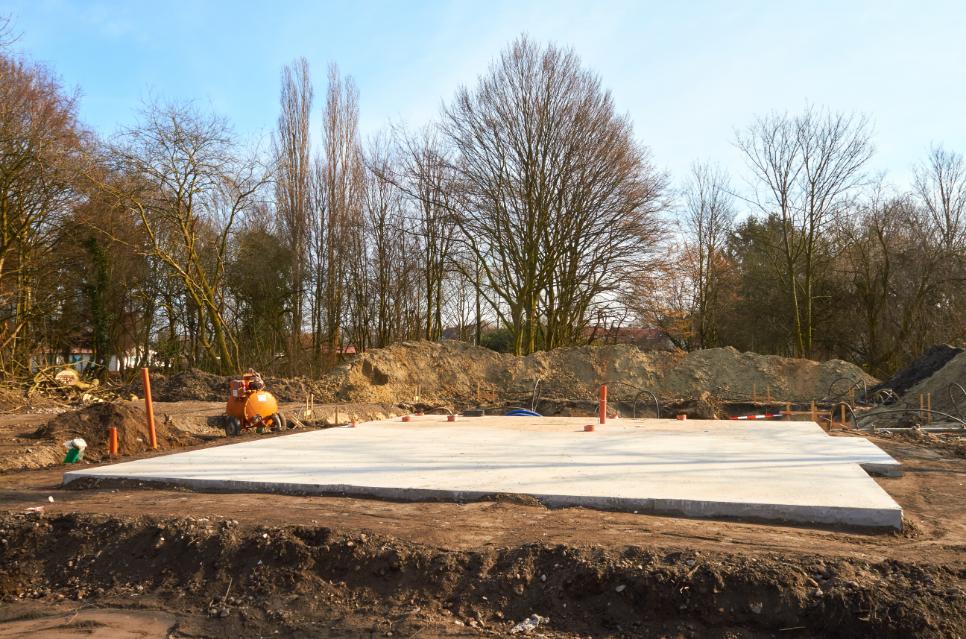
Preparing land for construction requires more than clearing space—it demands smart planning, legal awareness, and site-specific safety measures. Before breaking ground, understanding zoning laws, soil conditions, and utility access ensures your project starts on solid footing.
This guide outlines trending best practices to help homeowners and builders avoid delays, reduce costs, and protect long-term investments. From surveying to drainage planning, learn the first essential steps to transform raw land into a build-ready foundation for success.
Understanding Your Site: The Crucial First Step
Before lifting a single shovel or ordering heavy machinery, it’s essential to deeply comprehend the characteristics of your land. This foundational knowledge will prevent costly mistakes and ensure your project proceeds smoothly. From the soil composition to the site’s topography, every element impacts the success of your build.
A thorough site analysis involves engaging professionals such as geotechnical engineers or surveyors, who assess key aspects like soil type, whether it’s clay, sand, or loam. This directly affects how stable your foundation will be and how water drains from your plot. Additionally, understanding the natural slopes and elevations helps you design effective drainage and anticipate any need for terraces or retaining walls.
Don’t forget local regulations and environmental factors, including flood zones and protected areas. These could limit where you place structures or require special permits. Being informed upfront about these parameters saves headaches down the line.
For those eager to dive deeper, consider resources like why precise site grading is essential for a solid construction base. It’s a fantastic primer on how site characteristics affect construction.
Planning and Clearing: Setting the Stage for Construction
Once you know the lay of the land, it’s time to strategize. Collaborate closely with architects and engineers to design a site plan that maximizes your property’s strengths while navigating zoning laws. The placement of your new building should factor in sunlight, wind exposure, and accessibility, turning natural elements to your advantage.
Mapping out utilities is equally vital. Water, electricity, sewer, and gas lines often need coordination with local providers to ensure smooth installation. Additionally, access routes such as driveways or roads might require grading and paving, especially if your plot is remote.
The next phase is land clearing, and here, a savvy approach can save you significant time and money. Removing trees, rocks, and debris is necessary but often pricey. Some homeowners mitigate costs by tackling small tasks themselves. Remember to consider erosion control measures during clearing to protect your site and nearby waterways from soil runoff.
Want ideas on how to efficiently protect outdoor wooden structures during construction? Check out this helpful guide on durably protecting wooden decks to keep your property looking great throughout the process.
Excavation, Grading, and Drainage: Crafting a Stable Base
Though these terms might sound technical, think of excavation as sculpting the Earth to fit your project’s needs, whether it’s a foundation, basement, or swimming pool. Precision is paramount to avoid structural or drainage issues later on. Meanwhile, grading works to level your site while ensuring water flows away from your future home, preventing costly flooding or erosion.
Proper soil compaction follows grading to solidify your grounds, reducing settlement risks. Drainage planning is a fine art: integrating surface gutters, swales, and subsurface systems like French drains to handle groundwater efficiently. This prevents moisture from weakening foundations or causing mold issues.
If you’re curious about dramatic transformations that enhance your home environment, here’s a kitchen makeover guide packed with practical ideas: 10 DIY kitchen makeover transformations. Such inspiration can keep your remodeling spirit alive throughout construction.
Legalities, Permits, and Hiring the Right Pros: Finalizing Your Startup
Before the first concrete is poured, ensuring compliance with building codes and securing all necessary permits is a must. Check setbacks, easements, and other restrictions that influence where and how your structures can be built. A comprehensive public records search is a wise move to uncover any hidden land-use rules.
Hiring experienced contractors can take much pressure off your shoulders. Getting detailed on-site quotes rather than quick phone estimates helps avoid surprises. Moreover, an expert team proficient in site assessment, excavation, and utility installation boosts project efficiency and quality.
Lastly, remember to balance your budget against land preparation demands. Great locations may come with steep prep costs, especially if heavy tree removal or significant grading is required. A realistic estimate ensures your dream home doesn’t fade into a costly nightmare.
This table outlines the key stages involved in preparing land for construction, along with the typical actions and estimated timeframes for each phase. Here’s what it covers:
| Stage | Key Actions | Estimated Timeframe |
|---|---|---|
| Site Evaluation | Soil tests, topography survey, regulatory checks | 1–2 weeks |
| Planning & Design | Collaboration with architects, site planning, utility mapping | 2–4 weeks |
| Land Clearing | Tree & debris removal, erosion control setup | 1–3 weeks |
| Excavation & Grading | Foundation digging, ground leveling, drainage planning | 2–5 weeks |
| Permitting & Inspection | Documentation submission, regulatory inspections | 2–6 weeks |
Preparing land for construction is more than a checklist. It’s an intricate dance of knowledge, planning, and precise execution. By following structured steps and hiring seasoned experts, you lay the groundwork for a successful build that stands the test of time.
If you’re ready to embark on your construction project with confidence, contact a professional land preparation specialist today. Transform your vision into reality with expert guidance every step of the way.