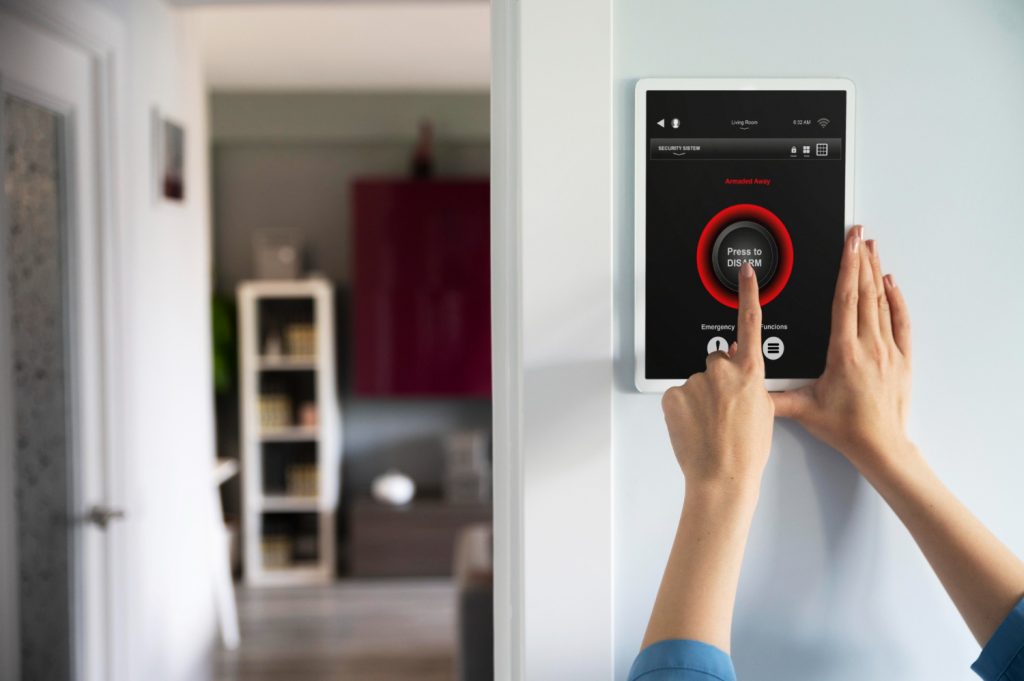
In today’s world, ensuring the safety of your home is more critical than ever. With various options available, understanding the differences between wired, wireless, and hybrid home security systems can significantly influence your choice. Each type has its unique features, advantages, and challenges. This technical breakdown aims to provide a clear perspective on how these systems operate, their reliability, installation processes, and maintenance needs, allowing you to make an informed decision for your home’s security.
Understanding Home Security System Basics
At its essence, a home security system is a combination of several components working in unison: sensors, cameras, alarms, and a control panel. These elements collaborate to detect unauthorized entries and alert you, as well as the authorities, if necessary. The foundation of any good system revolves around the use of effective motion detectors, door and window sensors, and auditory alarms.
How Do Home Security Systems Operate?
Curious about how these systems perform? Fundamentally, they utilize a network of interconnected devices. When abnormal activity occurs—such as a door being ajar unexpectedly—the system springs into action. Here’s the straightforward operational workflow:
Sensors detect movement or breaches via entry points.
Cameras either record or stream the situation.
Control panels aggregate information and trigger alerts.
Alarms sound off if any form of threat is identified.
Apps or monitoring services contact the homeowner or the emergency responders.
Wireless vs Wired Home Security Systems
Both wireless and wired systems boast unique advantages and challenges, so let’s break them down.
Wired Home Security Systems
Wired systems utilize physical cables to connect various components. Often installed during renovations or new construction, they are celebrated for their reliability and resistance to interference. Some notable advantages include:
Reliability: Significantly reduced chances of signal loss or hacking.
No Battery Worries: You won’t have to frequently check battery levels.
However, they do have disadvantages. Installation can be labor-intensive, requiring drilling and potentially compromising wall aesthetics. Yet, many homeowners rely on wired systems for long-term safety, especially in larger properties where the risk of unauthorized access is heightened.
Wireless Home Security Systems
On the flip side, wireless systems are known for their ease of installation, leveraging Wi-Fi or cellular signals to connect devices. This flexibility allows for an intuitive setup, making them ideal for renters and tech-savvy users looking to integrate with smart homes.
Quick Installation: Many systems can be set up rapidly without invasive procedures.
Portability: With no fixed wires, they fit seamlessly into rented properties.
Nevertheless, they are subject to the quirks of signal interference and battery longevity. Understanding these drawbacks before making a choice is paramount.
A Head-to-Head Comparison
To simplify the decision-making process, let’s take a look at a side-by-side comparison:
Feature
Wired System
Wireless System
Installation
Invasive, often requiring professional help
Simple, DIY-friendly
Reliability
Very high due to direct connections
Moderate to high, depending on installation
Smart Features
Limited integration
Full access to smart home devices
Portability
Not portable
Highly portable
Cost
Higher installation cost
Lower upfront cost
Hybrid Systems: Blending the Best of Both Worlds
Curious about whether these types of systems can coexist? Indeed, hybrid setups combine wired and wireless functionalities by wiring essential components while allowing less critical ones to connect wirelessly. This versatility ensures that you can meet all your safety requirements efficiently.
Choosing the Right System for You
When deciding on a system, keep these tips in mind:
Evaluate the size and layout of your home.
Determine if you prefer to self-monitor or to work with a service.
Investigate the associated costs and available equipment.
Look into options for smart home integration.
With a fundamental grasp of home security systems, you can navigate your space effectively, ensuring your safety and that of your loved ones.
For tailored security solutions that cater to your specific needs, consider reaching out to City Alarms Corp. to explore the most suitable options for your home. Your safety is just a click away!