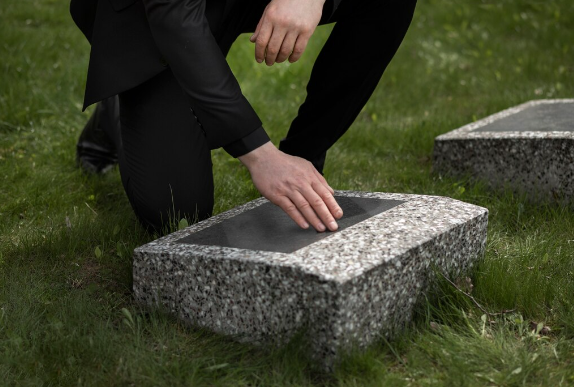
In the field of
monument restoration, selecting the appropriate
cleaning agent for different types of stone is crucial. Each stone type, whether it be limestone, marble, or granite, possesses unique characteristics that require careful consideration. The wrong cleaning agent can not only fail to remove dirt and stains but also cause irreversible damage. Understanding the chemical properties of both the stone and the cleaning agents is essential in preserving the integrity and beauty of historic monuments.
Understanding Different Types of Stone
Monuments are often crafted from a variety of stones, each possessing distinct properties. Here are some of the most common types:
- Limestone: A sedimentary rock, often porous and sensitive to acidic cleaning agents.
- Granite: Known for its durability, it requires gentle treatment to prevent surface scratching.
- Marble: Elegant yet delicate, it can be easily damaged by harsh chemicals.
- Sandstone: Soft and porous, making it vulnerable to erosion from aggressive cleaning techniques.
Choosing the Right Cleaning Agent
Each stone type responds differently to various
cleaning agents. Understanding these interactions is pivotal for professionals in the field. Below are popular agents used in stone monument cleaning and their suitability:
1. Water and Soft Brushes
The most recommended initial cleaning method is the *soft touch* approach. Using just
water and soft brushes can effectively remove surface dirt without causing damage. This technique is particularly beneficial for:
2. Detergents and pH-Neutral Cleaners
For more stubborn stains, a detergent or pH-neutral cleaner can be employed. This is ideal for:
These agents work well to remove grime without altering the stone’s natural character.
3. Acidic Cleaners
Acidic cleaners can be useful for specific types of stone but must be used with caution. Since limestone and marble are highly sensitive to acids, it is recommended to avoid these cleaning solutions altogether. Conversely, certain granite finishes may benefit from mild acidic applications, but this should always be conducted under expert supervision.
Environmental Considerations
In today’s world,
environmental sustainability is paramount in all restoration practices. Many traditional cleaning agents can be harmful to the surrounding environment. Opting for eco-friendly cleaners not only aligns with ethical considerations but also ensures that the natural environment remains unmarred.
Practical Tips for Effective Monument Cleaning
For successful monument restoration, consider the following practical tips:
- Conduct thorough research on the stone type before beginning any cleaning process.
- Test any cleaning agent on a small, inconspicuous area to gauge its effect.
- Work in controlled conditions to prevent weather elements from interfering.
- Wrap up the cleaning by applying a protective sealant if appropriate.
Distinct stone types necessitate tailored approaches when it comes to cleaning, making knowledge of materials and methods essential to restoration experts. By selecting the right cleaning agents, professionals can ensure that our cultural heritage remains vibrant for future generations. For enhanced conservation practices and products suited for monument restoration, consider reaching out to
P&G Memorials.
Choosing the right cleaning agent goes beyond mere appearance; it involves assessments of the stone’s mineral content, porosity, and sensitivity to various chemicals. For instance, acidic cleaners may effectively remove grime and lichen from limestone but can lead to severe degradation of calcareous stones. On the other hand, gentle, biodegradable solutions may be better suited for softer stones, ensuring that the material remains intact while still achieving the desired cleanliness.
Moreover, factors such as environmental impact and conservation ethics should not be overlooked when selecting cleaning agents. Many modern solutions prioritize
eco-friendliness and
sustainability, striving to minimize harm not only to the monuments themselves but also to the surrounding ecosystem. This is a vital consideration given the growing emphasis on responsible restoration practices in today’s society.
Ultimately, the art of monument restoration requires a well-informed approach to cleaning that considers both the
unique characteristics of the stone and the surrounding context. By investing time in researching and selecting appropriate cleaning agents, conservators can ensure that they preserve the history and beauty of our cultural heritage for future generations, celebrating the timelessness of these treasured landmarks.