
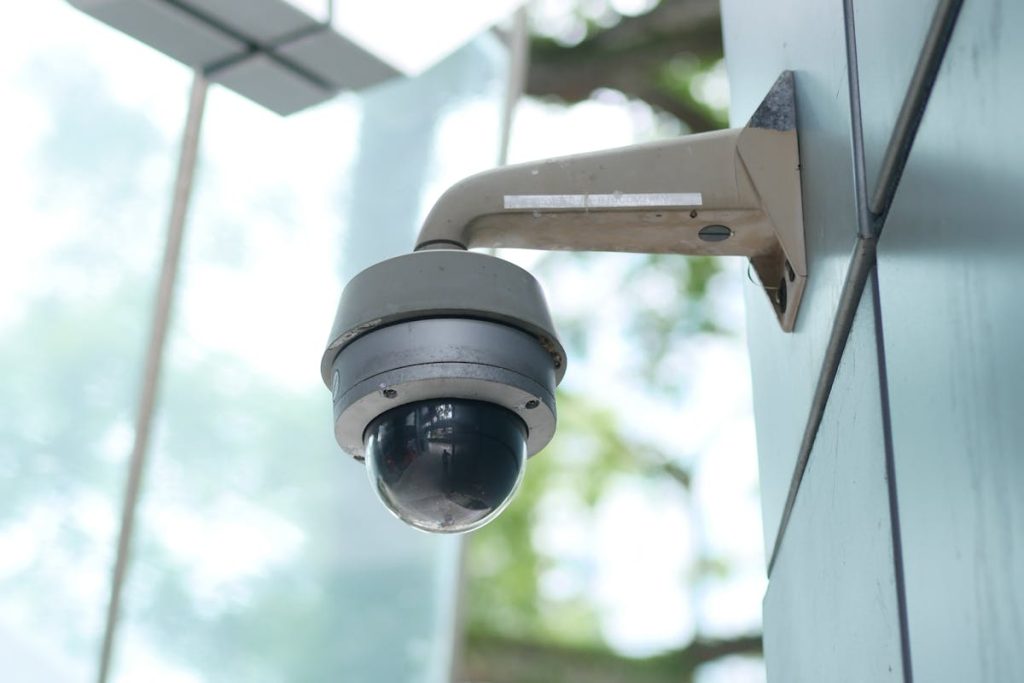
Investing in a reliable home security system is savvy, but a camera only works as well as where you hang it. Many homeowners overlook critical spots that can make or break their security setup. Let’s dive into the five must-have placements that offer comprehensive coverage and true peace of mind.
The Front Door: Your Primary Line of Defense
The front entrance is where most visitors, and unfortunately, intruders, make their first stop. Placing a camera here captures faces clearly and records all activity at this critical access point. Whether you opt for a video doorbell or a dedicated security camera angled perfectly, this spot is non-negotiable.
Visibility near the front door acts as a powerful deterrent. Burglars know they’re likely to be recorded, so choosing a position between 8 to 10 feet high ensures the camera is secure yet able to capture key details like facial features and packages on the doorstep.
Don’t forget about lighting either. Integrating motion-activated lights enhances night vision, making your footage crisp and usable during the darkest hours.
Back and Side Doors: The Burglars’ Favorite Backdoors
Often secluded and less visible from the street, back and side doors attract opportunistic criminals. While the front door gets much attention, neglecting these entries leaves a glaring security hole.
Cameras at these points should share the same attention to height, angle, and lighting as the front. Angling cameras to focus downward with a slight tilt between 15 and 30 degrees avoids false motion alerts from distant movement.
True security means covering all access points. So make sure no door leading inside is camera-free, it’s essential for a fortified perimeter.
Ground-Floor Windows Off the Street: The Sneaky Entryways
Windows, especially those hidden from street view or partially obscured by foliage, are an all-too-common entry route for intruders. Research shows around 23% of break-ins exploit ground-floor windows that don’t face public roads.
To counter this vulnerability, strategically position cameras to cover these windows comprehensively. Consider models with night vision for these spots, ensuring no sneaky movement escapes notice after sundown.
Beware of window glare when setting up indoor cameras monitoring through glass. If your system struggles with reflections, exterior cameras are a better choice here.
The Driveway and Garage: Protect Your Vehicles and Tools
Criminals love garages and driveways, they’re often overlooked but loaded with tempting targets such as cars, bicycles, and valuable equipment. Cameras here serve dual purposes: safeguarding your property and monitoring comings and goings.
A high-mounted camera overlooking the driveway can capture license plates and clear facial images of visitors. When your driveway doubles as a parking rental spot, like with platforms such as Prked, this coverage is even more critical to ensure security for you and renters alike.
Don’t ignore the garage door and any connecting entry inside the home. Many burglars exploit these points, so aligning cameras inside and out constructs a formidable barrier.
Common Indoor Areas: Your Last Line of Defense
Indoor cameras serve as a vital safety net, especially if an intruder bypasses outdoor defenses. The key indoor spots are main hallways, staircases, and high-traffic living spaces.
Position cameras to cover pathways an intruder would take once inside rather than private spaces like bedrooms or bathrooms, respecting privacy laws and comfort.
Additionally, indoor cameras can monitor elderly family members’ safety, keep an eye on children, or even check on pets while you’re away, turning security into family care.
To get the most out of your home security system, placing your cameras in the right spots is key. Below are five strategic locations you shouldn’t overlook, along with the ideal height and what to keep in mind for each.
| Camera Location | Optimal Height | Key Feature to Remember |
|---|---|---|
| Front Door | 8-10 ft | Clear face capture + deterrent |
| Back & Side Doors | 8-10 ft | Angle downward to reduce false alarms |
| Ground-Floor Windows | 8-10 ft | Night vision for low-light security |
| Driveway & Garage | 10-12 ft | License plate capture + broad coverage |
| Common Indoor Areas | Varies, mounted for wide coverage | Privacy respectful, high traffic monitoring |
Smart Positioning: Beyond Just Hanging Cameras
Now that you know where to place your cameras, it’s essential to consider factors that elevate your system’s effectiveness beyond simple installation.
Minding your camera’s field of view ensures you get the balance between wide coverage and detailed identification. Cameras with wide-angle lenses cover more ground but can sacrifice fine details, so select areas strategically.
Also, avoid common mistakes like aiming cameras at the sun or letting tree branches block views. Weatherproofing your outdoor cameras by installing shields or choosing naturally protected spots will extend their lifespan.
Finally, layering your system with visible cameras to deter and hidden cameras for evidence collection can create a solid defense while avoiding easy disabling by intruders.
The Legal Lines: Respect Privacy, Protect Peace of Mind
Security is essential, but don’t cross the privacy line. Never point cameras at neighbors’ properties or private areas like bedrooms and bathrooms. Many regions enforce strict laws to protect individuals’ privacy rights, and cameras should only cover your property or public spaces.
Use smart cameras with “privacy zone” features to exclude neighboring yards digitally. And remember, audio recording often faces stricter regulations than video, so disable microphones unless you have proper consent.
Taking these legal precautions not only protects you from lawsuits but also maintains good relationships within your community.
In summary, securing your home effectively means focusing on key access points: front and back doors, ground-floor windows, the driveway & garage, and essential indoor areas. Proper height, angles, and lighting turn ordinary cameras into powerful guardians, while smart placement ensures every corner of your property is monitored. Don’t forget to respect privacy and legal boundaries while fortifying your home.
To shield your home with precision, consult with security professionals to tailor a camera setup fitting your unique property. Take the next step towards smarter, safer living today.

