
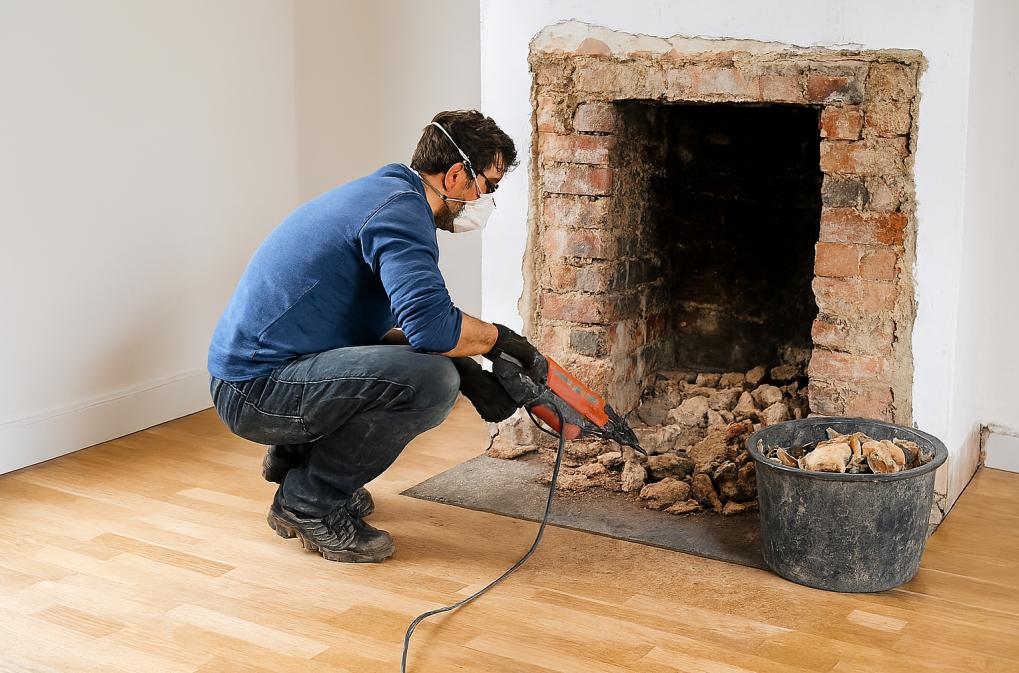
Fireplaces often serve as the heart and soul of a living room, but not all of us are keen on keeping these traditional features. Whether it’s because you crave more space, seek a modern vibe, or simply want a fresh start, removing a fireplace can redefine your home’s interior. In this article, we’ll explore the practical steps and creative perks of bidding farewell to your old fireplace and welcoming an open, updated living area.
Why Consider Fireplace Removal?
Taking down a fireplace might sound drastic, but it can bring surprising benefits. Beyond merely reclaiming valuable square footage, removing a fireplace acts as a catalyst for modernizing your space. Imagine turning a bulky, outdated feature into a crisp, streamlined wall or adding built-in shelving where the hearth once lived.
Not all fireplaces are created equal. Some are inefficient, challenging to maintain, or visually clash with contemporary decor. Removing such structures helps you:
- Enhance room layout and flow
- Create a sleek, minimalist aesthetic
- Increase usable wall space for furniture or artwork
- Reduce upkeep and safety concerns associated with old chimneys
Before diving in, it’s wise to assess how removal impacts your home’s structural integrity and market value. Sometimes, a less functional fireplace may even decrease appeal to buyers, so a makeover—starting with removal—can boost your property’s charm.
Types of Fireplaces and How They Influence the Removal Process
Fireplaces vary widely, and understanding your specific type is key to planning a smooth removal. Whether you have a classic wood-burning hearth or a sleek electric insert, each presents its own challenges and opportunities.
Wood-Burning Fireplaces
Traditional wood-burning units rely on chimneys and often support part of the home’s structural framework. Removing one involves demolishing the firebox and chimney, a task needing care to avoid compromising your home’s stability. Professional advice from a structural engineer is highly recommended before proceeding.
Gas Fireplaces
Gas units provide clean-burning heat with less fuss but require careful disconnection of gas lines during removal. Because safety is paramount, this job is best left to certified technicians. The cost and complexity here can be somewhat less compared to wood-burning cases.
Electric Fireplaces and Outdoor Fireplaces
Electric fireplaces are fairly straightforward to remove, often just unplug and detach, making them a simple upgrade option. Outdoor fireplaces, meanwhile, can be freestanding or built-in; their removal depends on construction type but generally involves less complexity than indoor masonry units.
Step-by-Step Guide to Fireplace Removal
Daring to remove a fireplace? Follow these steps to ensure an efficient and safe transformation.
1. Structural Assessment
Start by evaluating if the fireplace or chimney supports any walls or roof elements. Engage a structural engineer to confirm how removal affects load-bearing areas. If support beams are needed, plan their installation before demolition.
2. Prepare Your Workspace
Protect your home by clearing furniture and sealing off rooms with plastic sheeting. Dust control measures such as proper ventilation and use of dust masks can help keep airborne particles at bay.
3. Remove Mantel and Surround
Take off the fireplace mantel carefully using pry bars and chisels. For built-in surrounds, consider possible wall damage and be gentle to maintain surrounding finishes.
4. Demolish the Firebox and Hearth
Break apart masonry elements piece by piece, keeping safety gear on. Dispose of debris responsibly, renting a construction dumpster can be a practical solution to manage heavy, bulky materials.
5. Seal the Flue and Repair Walls
Plugging the chimney flue is essential to avoid drafts and unwanted critters. Once sealed, frame the opening and patch the walls with drywall or plaster, preparing the area for fresh paint or new design features.
Modern Interior Ideas After Fireplace Removal
Once the fireplace is out of the picture, the possibilities for your room’s new look are vast and exciting. Let’s touch on simple yet effective upgrades.
A smooth, painted accent wall replaces the old, bulky hearth with an airy vibe. Consider installing custom built-in shelving or sleek cabinetry to maximize storage and showcase your personality. Adding modern trim or shiplap can add texture and architectural interest.
If you wish to maintain a cozy nook, convert the former fireplace space into a reading corner or display area for plants and decor. For open-concept homes, removing the fireplace can visually enlarge the living room, making it feel more social and connected.
In short, removing a fireplace is a smart way to reclaim space and give your interior a fresh, modern feel. By understanding its structure, planning the removal carefully, and rethinking your layout, you can upgrade your home safely and effectively.
Ready to move forward? Connect with a qualified contractor to evaluate your space and start your fireplace removal with confidence.

