
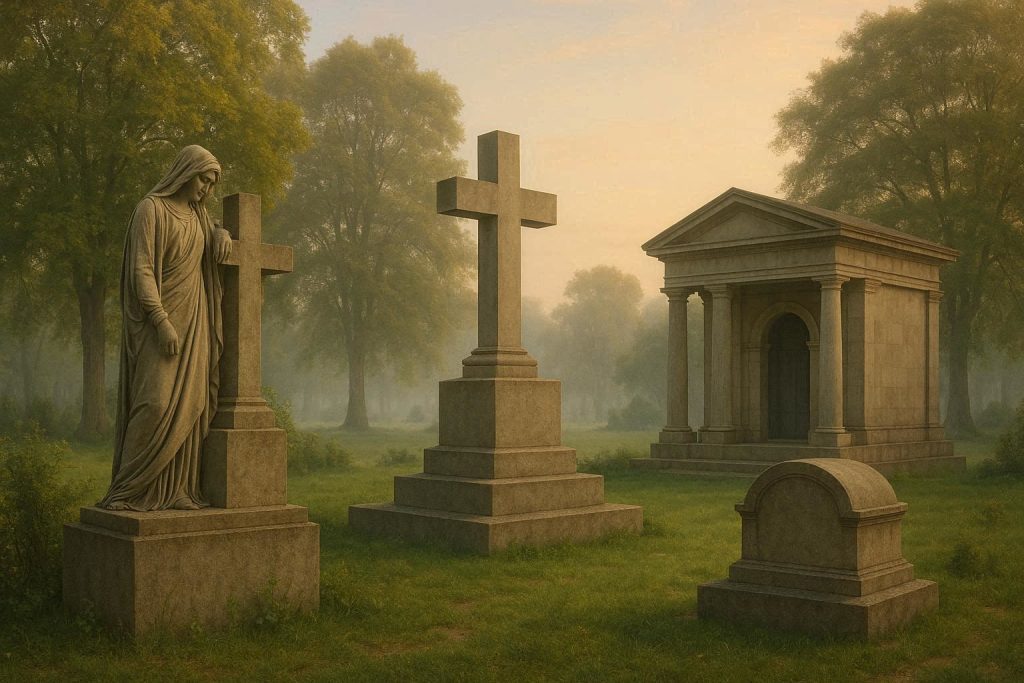
When it comes to cemetery design and layout, the size and scale of monuments play a crucial role in determining placement and overall aesthetics. This article explores various aspects of how monument dimensions influence cemetery organization, visual impact, and even cultural significance.
The Role of Monument Size in Cemetery Layout
The dimensions of monuments significantly affect how cemeteries are organized. Larger monuments often require more space, influencing the overall layout of gravesites.
- Spacing Considerations: Larger monuments necessitate greater distances between them to maintain a sense of balance and respect for the deceased. This spacing helps to prevent overcrowding and allows for proper maintenance.
- Visual Hierarchy: Monument size creates a visual hierarchy within the cemetery. Grand monuments often signify important individuals or families, drawing attention and respect. Smaller markers may be arranged nearby to maintain a cohesive look.
Cemetery planners must consider these factors when designing a layout to ensure that both large and small monuments complement one another.
Scale and its Influence on Cultural Significance
Monument scale can also reflect cultural values and practices. Different cultures have varying approaches to memorialization, which can dictate the size and style of monuments.
- Cultural Variations: In some cultures, larger monuments are a symbol of honor and status, while in others, simplicity may be preferred. For instance, Eastern traditions might lean toward modest markers, while Western cultures may favor elaborate structures.
- Symbolic Representation: The scale of a monument can carry significant meaning. For example, towering monuments might symbolize eternal life or remembrance, while smaller ones might reflect humility and personal connection.
Understanding these cultural nuances is essential for cemetery planners and designers to create spaces that resonate with the community they serve.
Impact on Maintenance and Accessibility
The size and scale of monuments can also affect the practical aspects of cemetery management, including maintenance and accessibility.
- Maintenance Needs: Larger monuments require more upkeep, which can impact the resources and planning necessary for cemetery management. This might involve special equipment or more frequent cleaning and repairs.
- Accessibility Issues: Oversized monuments can create challenges for visitors. Wide paths and open spaces are vital to ensure that all individuals, including those with mobility concerns, can navigate the cemetery comfortably.
Cemetery planners must balance the desire for impressive monuments with the practical needs of maintenance and accessibility to create a welcoming environment for all visitors.
Environmental Considerations in Monument Placement
The placement of monuments isn’t solely a matter of aesthetics; it also involves environmental considerations. The size and scale of a monument can impact the surrounding landscape.
- Land Use: Larger monuments might require more land, which could affect the overall use of the cemetery space. This is particularly relevant in urban areas where land is at a premium.
- Natural Elements: The scale of a monument can influence how it interacts with natural elements, such as trees and pathways. Careful planning is needed to ensure that the monument complements its surroundings and does not disrupt local flora and fauna.
By considering these environmental factors, cemetery planners can create spaces that are not only visually appealing but also ecologically sensitive.
Conclusion: A Holistic Approach to Cemetery Design
In conclusion, the size and scale of monuments play a pivotal role in cemetery placement and design. From spacing considerations to cultural significance and environmental impact, every aspect must be carefully considered.
Working closely with professionals can help ensure that cemeteries are designed thoughtfully, respecting both the deceased and the living. The ultimate goal is to create a harmonious environment that honors the memories of those interred while providing a serene space for reflection and remembrance.
By acknowledging the multifaceted influence of monument size and scale, cemetery planners can create spaces that are both beautiful and meaningful.


