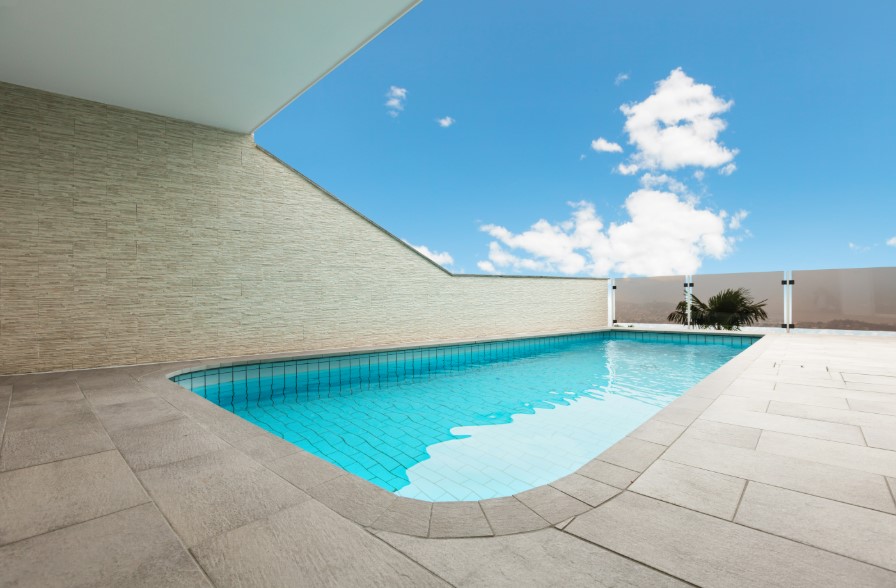
Did you know that your concrete pool deck, while sturdy and attractive, can develop hidden issues that threaten safety and durability? Recognizing early warning signs can save you costly repairs and ensure a safe environment. From cracks to drainage issues, identifying these key indicators ensures your pool area remains both stunning and secure for years to come.
1. Cracks and Surface Damage
Cracks are the most common visible issues in concrete structures. They often result from temperature changes, soil movement, or heavy weights exerted on the deck. It is essential to catch cracks early to avoid extensive damage.
Types of Cracks to Watch For
- Hairline cracks: Initially minor but can widen and worsen over time.
- Larger cracks: May suggest serious structural problems needing professional inspection.
- Surface spalling: This is when chunks of concrete chip away, creating uneven surfaces that can cause trips or falls.
Addressing these signs promptly preserves the integrity and safety of your pool deck. Regular inspection helps identify cracks before they escalate.
2. Pool Deck Settling
Another common issue is settling, where the ground below the concrete shifts or compresses, causing uneven surfaces.
Warning Signs of Settling
- Uneven deck sections: Some areas appearing visibly lower than others.
- Pooling water: Water collecting in depressions after rain, indicating improper leveling.
- Potential trip hazards: Raised edges or slopes increasing accident risks.
This issue demands professional evaluation and repair, often involving re-leveling techniques to restore a flat, safe surface.
3. Discoloration and Staining
Though sometimes seen as a minor cosmetic problem, discoloration can indicate deeper concerns such as water intrusion or chemical damage.
Key Indicators
- Unusual stains: Persistent color changes resistant to washing.
- Potential causes: Water seepage, mold growth, or reaction to pool chemicals.
- Appearance impact: Dulls the aesthetic appeal of your pool environment.
Regular cleaning and inspection help maintain the deck’s appearance and signal when repairs are necessary.
4. Slick or Slippery Surfaces
A pool deck must provide a reliable, non-slip surface to prevent falls. If you notice areas that become slick, particularly when wet, immediate action is essential.
Safety Concerns
- Slip risks: Increased likelihood of accidents, especially for children and elders.
- Surface wear: Smooth or worn areas lose their grip over time.
- Maintenance solutions: Application of anti-slip coatings or texturing treatments to enhance safety.
Creating a slip-resistant deck environment ensures peace of mind during pool use.
5. Drainage Problems
Effective drainage is vital to protect your concrete pool deck from water-related damage.
Signs of Poor Drainage
- Standing water: Areas where water consistently pools or drains slowly after rainfall.
- Edge erosion: Signs of soil loss or concrete damage near deck borders.
- Accelerated wear: Water accumulation hastens concrete deterioration.
Addressing drainage issues early preserves structural integrity and safety. Consider consulting Leakinc experts about improving site grading and drainage systems, which prevent costly repairs later. For detailed insights, see this detailed guide on precise site grading.
Summary of Signs and Recommended Actions
| Sign | Description | Recommended Action |
|---|---|---|
| Cracks | Hairline or large surface cracks and spalling | Professional inspection and resurfacing |
| Settling | Uneven surface causing pooling or trip hazards | Leveling and soil stabilization |
| Discoloration | Persistent stains or color changes | Cleaning and assessment of water or chemical damage |
| Slippery surfaces | Lack of traction, especially when wet | Apply anti-slip treatments |
| Poor drainage | Water pooling and erosion signs | Improve grading and drainage systems |
Maintenance Tips to Prevent Costly Repairs
Regular maintenance is the best way to keep your concrete pool in good condition. Simple tasks like checking for cracks, monitoring water levels, and cleaning filters can prevent small issues from becoming expensive repairs. A consistent routine helps extend the life of your pool and ensures safe use for your family.
It is also important to pay attention to water chemistry. Balanced pH and chlorine levels protect the pool surface and equipment from damage. Skimming debris and brushing walls weekly reduces buildup and keeps the pool looking fresh. These small steps save money in the long run.
Finally, schedule professional inspections at least once a year. Experts can spot hidden problems early and recommend solutions before they worsen. Combining regular care with professional advice is the most effective way to avoid costly repairs and enjoy your pool for many years.