
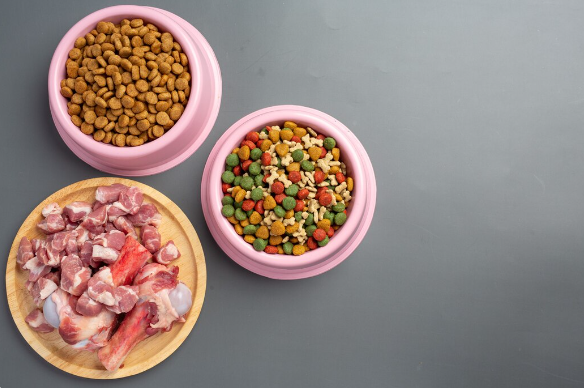
In recent years, raw pet food has gained popularity among pet owners seeking to provide their furry companions with nutritionally balanced meals. This trend highlights the potential benefits of a diet rich in natural ingredients, but it also raises important concerns regarding safety risks associated with feeding pets raw food. Proper understanding of these risks, along with effective storage best practices, is essential for ensuring the health and well-being of pets. As pet owners explore this dietary option, it becomes crucial to navigate the challenges and advantages that come with incorporating raw food into their pets’ diets.
Understanding the Nutritional Balance of Raw Pet Food
When it comes to pet health, raw pet food has gained significant attention. Advocates argue that a diet rich in fresh, unprocessed ingredients can lead to optimal nutrition for our furry friends. Raw pet food typically includes whole meats, bones, and organ meats, which are often accompanied by fruits and vegetables. This combination aims to mimic a pet’s ancestral diet, potentially promoting better digestion, healthier skin, shinier coats, and increased energy levels.
The Essential Nutrients for Pets
To achieve a well-rounded diet, it is imperative to incorporate a variety of nutrients. Here are the key components:
- Proteins: Essential for muscle development and repair.
- Fats: Provide energy and support cellular functions.
- Carbohydrates: Serve as a source of energy, though pets require them in lower amounts.
- Vitamins and Minerals: Critical for various bodily functions, including immune response and bone health.
Each ingredient plays a pivotal role in maintaining a balanced diet. However, not all raw pet foods are crafted equally, and it’s vital to ensure that meals include appropriate proportions of these nutrients.
Assessing Safety Risks of Raw Pet Food
While the benefits can be alluring, the risks associated with raw feeding must be thoroughly considered. Contamination is one of the most significant threats, with harmful bacteria such as Salmonella and E. Coli sometimes lurking in raw meat. These pathogens can pose serious health risks to both pets and their humans.
Examining the Health Concerns
Pets consuming raw food can face various health issues, including:
- Gastrointestinal problems: Vomiting and diarrhea can occur if pets are not used to this diet.
- Infections: Animals and their owners can be affected if proper hygiene practices aren’t maintained.
Moreover, it’s vital to recognize that not all pets might be suited for a raw diet. Certain health conditions or sensitivities can hinder a pet’s ability to handle raw meals efficiently. Always consult a veterinary professional before making drastic dietary changes.
Best Practices for Storing Raw Pet Food
Proper storage and handling can significantly reduce safety risks associated with raw pet food. Here are some guidelines that can help ensure the food remains safe:
Storage Techniques to Keep Food Fresh
- Freezing: Store raw pet food in an airtight container to prevent freezer burn. Most raw meats can be frozen for extended periods.
- Thawing: Always thaw food in the refrigerator rather than at room temperature to inhibit bacterial growth.
- Portioning: Divide meals into single servings before freezing to minimize waste and facilitate easier feeding.
- Cleanliness: Regularly sanitize storage containers and feeding areas to maintain hygiene.
Feeding and Handling Guidelines
When it comes to feeding raw meals to pets, there are critical handling protocols to adhere to:
- Use separate utensils: Dedicate specific bowls and utensils for raw food preparation.
- Wash your hands: This should be done before and after handling raw food to avoid cross-contamination.
- Immediate feed or discard: Serve raw food promptly and avoid leaving it outside for longer periods.
Implementing these best practices can help mitigate health risks while ensuring your pet benefits from this dietary choice.
As the debate around raw pet food continues, understanding nutritional balance, awareness of safety risks, and mastering storage techniques are essential for pet owners considering this feeding approach. Balancing benefits against potential hazards will ultimately lead to informed choices that best suit your pet’s needs.
For more information on premium pet nutrition and safe feeding practices, consider reaching out to Pet Pros who can guide you in choosing the right products for your beloved companions!


