
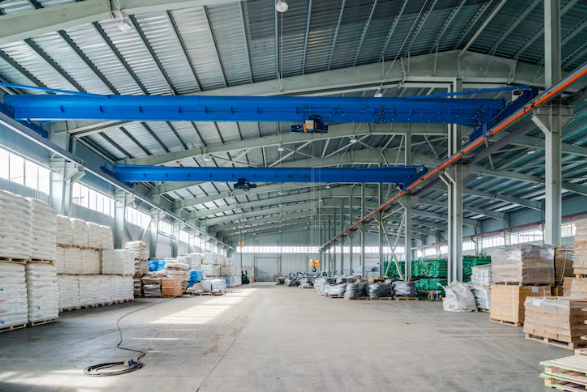
In today’s climate of unprecedented weather conditions, industrial roofing plays a vital role in protecting facilities from costly damage. With extreme weather events on the rise, many organizations are seeking innovative solutions to maintain the structural integrity of their buildings. This article dives deep into the mechanisms and advantages of modern industrial roofing systems.
Understanding Industrial Roofing Systems
Industrial roofing systems are designed specifically to withstand the challenges posed by a variety of environmental factors. These systems are more robust than typical commercial roofing solutions, focusing on large-scale applications that cover expansive surfaces. Their construction involves a strategic combination of advanced materials and intelligent engineering methods.
Components of Industrial Roofing
The backbone of any industrial roofing system consists of several essential components that ensure resilience and longevity. These include:
- Membrane Layers: Often comprised of TPO, EPDM, or PVC, each material offers unique benefits such as UV resistance and temperature tolerance.
- Insulation: Multiple layers of insulation are employed to regulate temperature and enhance energy efficiency, directly influencing operational costs.
- Drainage Systems: Sophisticated drainage mechanisms are key to preventing water accumulation, a major cause of roof failure.
When installed properly, these components can deliver reliable service spanning 25 to 30 years. However, the effectiveness is largely contingent on proper material selection and routine maintenance.
Significance of Industrial Roofing
As extreme weather events proliferate, the importance of industrial roofing cannot be overstated. Not only does a robust roofing system safeguard physical assets, but it also allows for uninterrupted business operations. For instance, poor thermal performance can inflate HVAC costs by 25-35%, thereby straining operational budgets. Furthermore, many modern roofs contribute to energy efficiency by using reflective materials.
Real-World Applications of Industrial Roofing
Understanding how industrial roofing systems perform in practical scenarios offers valuable insights for facility managers. Different industrial sectors apply roofing solutions tailored to their specific operational needs and environmental challenges.
Examples Across Industries
Here are some typical uses of industrial roofing across various sectors:
- Manufacturing Facilities: Often equipped with reinforced membrane systems that can handle heavy mechanical loads and extreme temperature fluctuations.
- Food Processing Plants: Frequently utilize TPO or PVC roofing for their superior chemical resistance and sanitation compliance.
- Distribution Centers: Typically implement multi-ply roofing systems designed to maintain structural integrity while coping with large spans.
Each application highlights the need for specific material selection and design approaches to ensure operational continuity and minimize losses.
Timing & Maintenance
Timing in installations and maintenance is crucial, especially considering the dramatic increase in extreme weather events, which has nearly doubled in frequency since 1980. Discussions around prior installations and scheduled maintenance can mitigate severe weather impacts. Planning roofing upgrades or modifications well in advance can save organizations significant costs in emergency repairs.
Poorly timed repairs can lead to cost increases of up to 500% compared to scheduled maintenance. This high cost underscores the necessity for timely interventions.
Decoding Key Terminologies in Industrial Roofing
A sound understanding of industrial roofing terminology is imperative for facility managers, as misconception can lead to serious failures. Research indicates that about 40% of premature roof failures stem from misunderstanding technical specifications.
Essential Terms Defined
Here are critical terms that anyone involved in industrial roofing should know:
- R-value: A measure of thermal resistance critical for insulation performance; modern industrial roofs should typically achieve an R-value of 30 or greater.
- Wind Uplift Resistance: This specifies how much wind force a roof can withstand, represented in pounds per square foot (psf).
- Membrane Thickness: Generally measured in mils, thicker membranes offer enhanced durability and puncture resistance.
These elements form the foundation of understanding how industrial roofs function and perform under varying conditions. Ignoring these terms can lead to underestimated risks and improper material choices. Contact Danforth RD Roofing Installers.


