
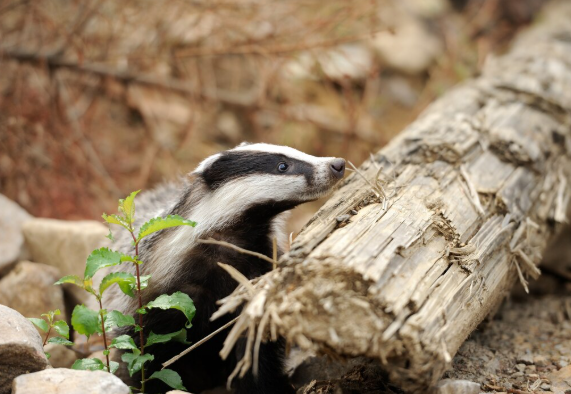
Skunks may seem harmless, but their presence can escalate into a significant issue for homeowners and businesses alike. These nocturnal creatures can damage lawns, create unsanitary conditions, and even pose health risks through disease transmission. Understanding the importance of skunk removal is essential for maintaining a safe, pleasant environment throughout your home and property.
Assessing the Risks of Skunks on Your Property
Recognizing the risks associated with skunks is the first step toward safeguarding your home. Beyond their characteristic odor, skunks can lead to physical damage and health concerns. Here’s a closer look at the numerous dangers posed by these animals:
- Damage to Landscaping: Skunks dig for grubs and insects, leaving small, cone-shaped holes throughout your lawn. This not only damages the aesthetics of your property but can also lead to erosion.
- Health Risk: Skunks can carry various diseases, including rabies and leptospirosis. Contact with these diseases, whether through bites or contamination, can pose serious health risks to both humans and pets.
- Odor Issues: While skunks spray as a defense mechanism, their presence alone emits a musky scent that can become overwhelming, particularly if they establish a den on your property.
Therefore, mitigating skunk-related risks is not merely about addressing odor; it also involves protecting property and ensuring a safe environment.
Identifying the Presence of Skunks
Your ability to recognize early signs of a skunk problem can save you considerable time and money. Here are some telltale clues that indicate the presence of skunks:
- Persistent Odor: A distinct musky scent is usually the first indication of skunk activity. Even if they haven’t sprayed directly, their presence can linger.
- Physical Damage: Look for small holes in your lawn, typically indicative of skunks digging for grubs. These can create unsightly patches that detract from your yard’s beauty.
- Nocturnal Noises: Skunks are primarily active at night. If you hear scratching or rustling sounds under decks or sheds during these hours, it might be a sign of skunk activity.
- Droppings: Skunk droppings resemble those of a cat but often contain insect remains. Finding these in your yard or near potential dens can confirm that you may be hosting unwanted guests.
By remaining vigilant, you can identify skunk activity early on, allowing for swift intervention.
Effective Prevention Strategies for Skunks
Prevention is always better than cure. Making your property less inviting to skunks can drastically reduce the chances of infestation. Here are key strategies to consider:
Block Access Points
Skunks typically seek shelter in dark, secluded areas. To deter them, ensure that your property is sealed. Here are some effective measures:
- Secure Barriers: Install barriers to block access to crawl spaces, decks, and any other hallowed grounds where skunks might choose to nest.
- Close Entrances: Regularly check and repair property features such as vents or gaps that could serve as entry points for skunks.
Limit Food Sources
Food is a significant attraction for skunks. To discourage foraging, apply these techniques:
- Secure Trash: Use animal-proof trash containers and never leave garbage exposed.
- Pet Food: Bring any pet food inside during the night to avoid attracting skunks.
- Clean Surroundings: Regularly clean up fallen fruits, nuts, or seeds from your garden that can lure skunks in.
Enhance Security Measures
Employ technology to add a layer of protection:
- Motion-Activated Lights: Installing lights that turn on upon sensing movement can deter skunks, making them feel exposed and vulnerable.
- Sprinkler Systems: Motion-activated sprinklers can startle skunks, encouraging them to leave.
Implementing these preventive strategies can significantly reduce the likelihood of a skunk-related disaster.
Humane Skunk Removal Techniques
If you find yourself facing a skunk problem despite your best preventive efforts, it’s crucial to consider humane removal techniques. At Anderson Wildlife Control, we focus on safe and ethical methods for skunk removal:
Utilization of Live Traps
Live trapping is an effective and humane way to address skunk infestations. Specialized traps ensure that skunks are captured without suffering harm, allowing for a safe relocation. Our team employs the following tactics:
- Trapping Locations: Strategically placing traps in areas where skunk activity has been identified increases the chances of successful capture.
- Maintenance of Traps: Regularly checking traps ensures that captured skunks are handled promptly, minimizing stress to the animals.
- Safe Relocation: Skunks are placed in suitable habitats far from residential areas to avoid return visits.
Post-Removal Prevention
Once skunks have been removed, it’s essential to prevent future re-infestations:
- Barrier Installation: Install fences and other barriers to deter returning skunks.
- Ongoing Monitoring: Conduct regular inspections of your property to ensure no new areas have become vulnerable.
Odor Management
One of the main concerns during skunk removal is odor. Anderson Wildlife Control offers specialized services to mitigate unpleasant smells, ensuring that your property remains fresh and inviting. Our team focuses on:
- Cleaning Solutions: We use effective odor neutralizers to eliminate lingering scents.
- Preventative Sprays: Application of natural repellents can help keep skunks at bay following removal.
Choosing humane removal not only protects the skunks but also secures a safer environment for your property.
Engaging a knowledgeable service like Craig Wildlife Control ensures that skunks are dealt with efficiently while minimizing consequences for your property and the animals themselves.


