
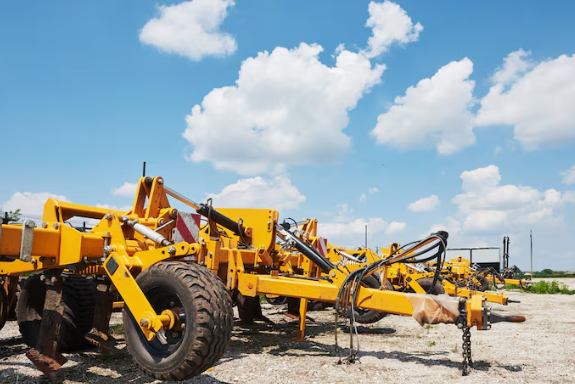
In the ever-evolving landscape of construction and industrial projects, selecting the right heavy machinery plays a pivotal role in determining success. An informed choice not only boosts productivity but also minimizes operational costs and enhances safety on job sites. As industries grow, so does the complexity of machinery—understanding how to navigate these options is essential for contractors and project managers.
Assessing Your Project Needs for Heavy Machinery
Understanding the requirements of your specific project is the first step in making informed machinery decisions. An accurate assessment helps pinpoint the type of equipment needed. This evaluation typically begins with examining the project’s scope and intended outcomes.
Evaluating Project Scope
The project’s scope involves both its scale and intricacies. Factors like terrain, project size, and duration are pivotal. For instance, if your project entails building a large commercial complex on uneven land, you will require robust machinery like bulldozers and excavators designed for grading and moving earth.
Consider these criteria when evaluating your project:
- Terrain Type: Flat, hilly, or rocky landscapes will dictate the machinery needed.
- Project Scale: Larger projects may require multiple types of machines for diverse tasks.
- Duration of the Project: Short-term projects might benefit from renting rather than purchasing machinery.
Identifying Key Tasks
Every project consists of core tasks, and breaking them down clarifies what equipment is necessary. For example, if significant excavation is involved, an excavator would be vital. For lifting heavy materials, a crane becomes essential.
Here are some common tasks and their corresponding machinery:
- Digging: Excavators are optimal for this task.
- Grading: Bulldozers help ensure the land is leveled correctly.
- Hauling: Dump trucks are designed for transportation tasks.
Exploring Types of Heavy Equipment
Different types of heavy machinery serve various functions, so understanding their uses is vital. Each category has unique characteristics and options suited for different tasks.
Understanding Excavators
Excavators are versatile machines vital for many construction tasks. They come in various forms, such as mini, crawler, and wheeled excavators. Mini excavators are ideal for tight spaces, while crawler excavators provide stability on uneven ground.
Consider using excavators for:
- Site preparation and grading
- Demolition tasks, where precision is required
- Landscaping projects that demand careful digging
Exploring Bulldozers
Bullldozers are crucial for tasks involving heavy earthmoving. They excel in grading and pushing large quantities of materials. Different types of bulldozers are optimized for varying applications, such as wheeled bulldozers for smoother surfaces and tracked bulldozers for rough terrains.
Use bulldozers in scenarios like:
- Clearing land before construction
- Creating access roads to job sites
- Leveling ground for building foundations
Examining Loaders and Cranes
Loaders come in different styles, including skid steer loaders and backhoe loaders. Each type offers distinct advantages depending on the project. For example, skid steer loaders are compact and highly maneuverable, making them ideal for smaller sites.
Meanwhile, cranes, available in various types such as tower and truck-mounted, provide the ability to lift heavy loads to significant heights. Here’s when to use them:
- Loaders: For loading materials into trucks or onto stockpiles.
- Cranes: For erecting structures and moving materials across job sites.
Choosing the Right Equipment Model
Once you’ve identified the machinery type, focusing on the models available is next. Performance specifications, new versus used equipment, and brand reputation become vital considerations.
Understanding Performance Specifications
Reading and comparing specifications is crucial when selecting machinery. Look for key specifications such as power, fuel efficiency, and lifting capacity. These elements directly impact project efficiency and operational costs.
For instance, a more fuel-efficient model may cost more upfront but provide significant savings over the long term. An example might include comparing the fuel consumption rates of similar excavators.
New vs. Used Equipment
Deciding between new and used machinery can significantly impact your budget. New equipment usually comes with advanced technology and warranties, offering peace of mind. Conversely, used equipment can be more budget-friendly but may require additional maintenance.
Consider these factors when making your choice:
- Frequency of use: Frequent use may justify the investment in new equipment.
- Budget constraints: Used equipment often provides an economical option.
- Warranty and support: New machines typically come with better support services.
Brand Comparisons
Not all machinery brands are created equal. It’s essential to compare brands based on their reputation for reliability and service availability. A reputable brand may have better resale value and available parts, making maintenance easier in the long run.
Look for customer reviews and industry insights to help guide your brand selection.
Evaluating Additional Considerations
Beyond the primary machinery selection, various additional factors can enhance functionality and safety. This evaluation may involve attachments, technological innovations, and safety features relevant to contemporary standards.
Exploring Attachments and Accessories
Attachments can vastly improve a machine’s efficiency and versatility. For example, hydraulic thumbs on excavators can make picking up materials easier, while various bucket sizes can adapt to different loading tasks.
Consider common attachments like:
- Augers: For drilling holes in the ground.
- Forks: For lifting pallets and other heavy materials.
- Compactors: For leveling and compressing soil.
Technological Features
Modern machinery incorporates advanced technology that can optimize performance. Features like GPS tracking, automation, and efficiency controls not only make operations smoother but can also provide valuable data for project management.
Staying updated on technology trends is vital, as these innovations often enhance productivity.
Safety Features
With heavy machinery, safety cannot be overstated. Modern machines come equipped with numerous safety features designed to protect operators and site workers. Examples include:
- Cameras: Providing visibility around the machine.
- Alarm systems: Alerting operators to hazards.
- Roll-over protective structures: Ensuring operator safety during potential tipping incidents.
Choosing the right heavy machinery can significantly influence the success of any project. By thoroughly assessing your needs, exploring various types of equipment, and considering additional factors, you can make informed decisions that maximize productivity and control costs effectively. For further details on site preparation and grading, visit site grading essentials.


