Planning a commercial construction project requires meticulous attention to timelines to ensure that all stages align perfectly. Understanding the various phases involved—from pre-construction to project completion—helps avoid costly delays and miscommunication. This article outlines essential timelines and effective strategies for keeping your project on track.
Identify the Phases of Commercial Construction
Recognizing the different phases in the commercial construction process is key to effective planning. Each stage has distinct tasks that contribute to the overall success of the project.
Pre-Construction Phase
This initial phase involves crucial elements such as site analysis, feasibility studies, and budgeting. It sets the foundation for the entire project, ensuring that all participants understand the objectives and constraints.
- Duration: 4–8 weeks
- Activities: Site analysis, budgeting, and feasibility studies
- Key Outcome: Clear project scope
Design Development
Once pre-construction is complete, the design development phase begins. This includes creating schematic designs, detailed drawings, and value engineering options, vital for visualizing the end product.
- Duration: 8–16 weeks
- Activities: Designing and engineering
- Key Outcome: Approved design documents
Permitting & Approvals
Obtaining the necessary permits can be a time-consuming process, often varying by jurisdiction. Proper planning for this step is essential to avoid unexpected delays.
- Duration: 6–20 weeks
- Activities: Submission to local municipalities
- Key Outcome: Construction permits
Procurement
This phase focuses on contractor selection, bidding, and material ordering. Selecting the right partners ensures materials and labor are available when needed.
- Duration: 4–12 weeks
- Activities: Contractor selection and procurement
- Key Outcome: Secured contracts
Construction Phase
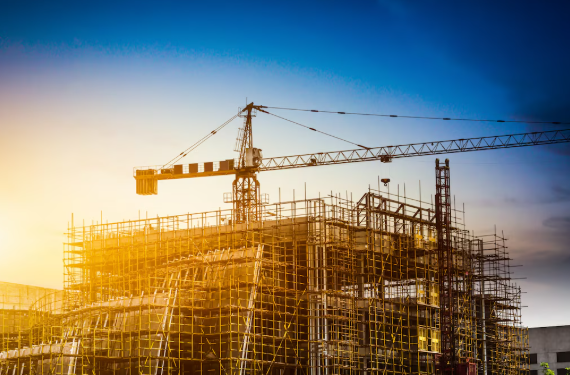
The actual construction process is where the plans come to life. It involves site mobilization, foundational work, structural installation, and final touches.
- Duration: 6–24 months, depending on project size
- Activities: Building and installations
- Key Outcome: Completed project
Closeout & Commissioning
The final stage involves conducting inspections and obtaining occupancy permits. This ensures that everything is functioning as intended before the project is officially completed.
- Duration: 4–8 weeks
- Activities: Final inspections
- Key Outcome: Occupancy permit issued
Analyze Key Factors Affecting Timelines
Understanding the various factors that can impact timelines is essential for project planning. Addressing these aspects early can significantly improve outcomes.
Project Complexity
Complex projects with custom designs often lead to extended timelines. Engaging experienced professionals can help navigate these challenges efficiently.
Regulatory Environment
Regulations can vary widely depending on the region. Familiarity with local codes and compliance checks is essential to anticipate potential delays.
Site Conditions
Environmental factors such as soil quality or existing structures can complicate construction, requiring additional time and resources to address.
Supply Chain & Labor
Material availability and skilled labor shortage can profoundly impact project execution. Establishing solid relationships with suppliers can mitigate this risk.
Cluster Typical Timeline Ranges by Project Type
Different project types come with varying duration expectations. Having a clear understanding of these can help set realistic timelines.
| Project Type | Typical Duration |
|---|---|
| Small Tenant Improvement (5,000–10,000 sq ft) | 3–6 months |
| Mid-Size Office or Retail (10,000–50,000 sq ft) | 9–15 months |
| Medical/Healthcare Facilities | 12–24 months |
| Light Industrial/Warehouse | 6–12 months |
| Large Mixed-Use or High-Rise | 24–36+ months |
Implement Strategies for Effective Project Planning
Having strategic guidelines in place can ensure that your commercial construction project stays on track from beginning to end.
Define Clear Goals Early
Establishing well-defined objectives and timelines can help keep all team members aligned and accountable throughout the project.
Build Contingency Buffers
Including time and budget buffers allows for unforeseen circumstances that may arise during construction.
Engage Experienced Professionals
Having experts in various fields involved in the planning and execution phases ensures that all aspects are well-managed, from design to execution.
Maintain Open Communication
Regular updates and progress meetings with stakeholders are vital for keeping everyone informed and engaged throughout the project lifecycle.
Review & Adjust Regularly
Incorporating routine reviews helps identify issues before they escalate, allowing for timely adjustments to stay on schedule.
Understanding the comprehensive scope of commercial construction timelines equips project managers and owners to make informed decisions. Comprehensive planning strategies and awareness of potential challenges are keys to achieving successful project completion. For more insights on commercial development timelines, check out Matson Construction Company Inc..