
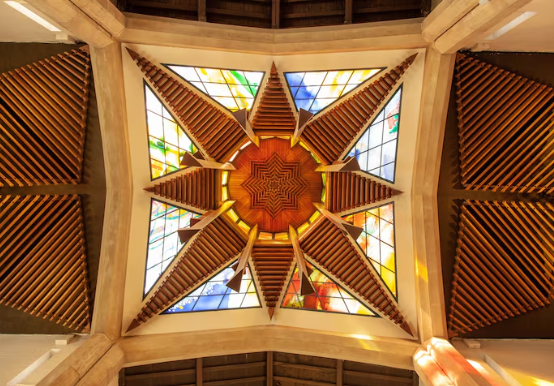
The world of stained glass windows is both visually captivating and structurally complex. Understanding how the thickness of leading can influence the durability of these panels not only helps preserve their beauty but also extends their lifespan. In an era where architecture intertwines with art, this knowledge holds significant importance for restorers and builders alike.
Examine the Role of Leading Thickness in Stained Glass Durability
The leading thickness in stained glass windows is a fundamental aspect that significantly impacts the panel’s durability. A thicker lead frame can better support the weight and stress exerted on the glass while maintaining its integrity against environmental factors. When selecting the appropriate thickness, artisans must consider the specific conditions where the stained glass will be installed.
Evaluate Different Lead Thickness Specifications
Lead came, traditionally used in stained glass construction, comes in various thicknesses. Each thickness offers different benefits and limitations:
- Standard thickness (1/8 inch): Commonly used for most residential windows, providing a balance between stability and flexibility.
- Heavyweight lead (3/16 inch): Offers enhanced durability for larger installations, such as church or cathedral windows.
- Thin lead (1/16 inch): Ideal for intricate designs but may lack strength for substantial glass pieces.
Identify Factors Affecting Stained Glass Longevity
Beyond lead thickness, several elements determine the longevity of stained glass windows:
- Environmental exposure: Factors such as sunlight, rain, and pollution can weaken the leading material over time.
- Installation techniques: Proper mounting and support systems can mitigate stress on the leads and glass.
- Maintenance routines: Regular inspections and cleanings help detect early signs of wear and damage.
Implement Effective Maintenance Strategies
Maintaining stained glass windows is essential in extending their lifespan and preserving their stunning aesthetics. A few proactive steps can be taken by custodians and owners alike to ensure the durability of these architectural treasures.
Follow Regular Inspection Practices
Establishing a routine for examining stained glass can assist in identifying issues before they escalate:
- Annual check-ups: Conduct yearly assessments, focusing on lead integrity, glass condition, and surrounding framework.
- Check for moisture: Look for signs of trapped water, as this can warp lead and damage the glass.
- Document findings: Keep detailed records of any repairs or concerns noticed during inspections.
Utilize Professional Restoration Services
When issues arise that exceed routine maintenance, seeking expert restoration services is advisable. Professionals can address specific problems and provide tailored solutions:
- Releading: Replacing deteriorated leading with appropriate thickness can restore structural integrity.
- Cementing techniques: Reinforcing panels with the correct cement can help maintain proper alignment.
- Reinforcement options: Installing additional support can prevent sagging and stress on the glass.
Plan for Strategic Restoration Projects
When considering the restoration of stained glass panels, a phased approach may be the most viable option for congregations and organizations. This method allows for financial planning while ensuring the preservation of the stained glass legacy.
Divide Restoration into Manageable Sections
To effectively manage restoration costs, consider the following steps:
- Assess prioritization: Identify panels that face the most environmental challenges, such as those facing southern or western exposures.
- Document each stage: Keep a comprehensive record of repairs and scheduled maintenance.
- Engage stakeholders: Collaborate with historical preservation societies to access resources and expertise.
Understand the Importance of Community Support
For successful restoration projects, engaging with the community can be invaluable. Consider organizing informational sessions to educate parishioners or stakeholders about the significance of preserving stained glass heritage. Sharing stories and insights can foster appreciation and lead to increased financial support for restoration efforts.
| Aspect | Standard Thickness | Heavyweight Thickness | Thin Thickness |
|---|---|---|---|
| Applications | Residential areas | Churches, cathedrals | Intricate designs |
| Durability | Sufficient for average wear | High resilience | Lower durability |
| Weight Support | Moderate support | Excellent support | Poor support for large panels |
For expert restoration and long-term care of your stained glass panels, trust Arcadia Leadlight & Stained Glass to keep this architectural heritage intact for generations to come.


