
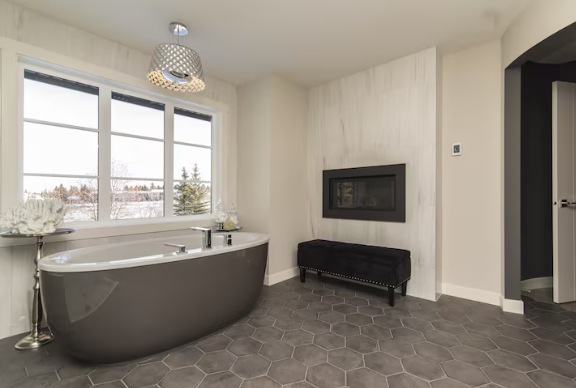
Waterproofing your bathroom is essential to prevent potential water damage and extend its longevity. With various methods available, knowing which one effectively protects your subfloor against moisture can save you from costly repairs down the line. This guide explores the most reliable waterproofing techniques tailored for bathroom renovations.
Understanding Waterproofing for Bathroom Renovations
Waterproofing your bathroom subfloor is vital to ensure the prevention of water damage while maintaining the structural integrity of your home. With high moisture levels inherent in bathrooms, selecting the right waterproofing method can significantly impact the durability of your renovation. The stakes are high, particularly for new builds and renovations in humid climates, where improperly waterproofing may lead to mold growth and costly repairs.
Choosing the Right Waterproofing Method
When considering waterproofing methods, several options stand out, each designed to serve unique needs. The choice often boils down to personal preference, budget, and the specific challenges of your bathroom layout.
- Liquid-applied membranes: These form a seamless waterproof barrier, ideal for irregular surfaces and tricky corners.
- Sheet membranes: These provide consistent thickness for flat surfaces but require meticulous seam sealing.
- Self-adhesive membranes: Perfect for DIY projects, they quickly adhere without the need for additional adhesives.
Selecting the appropriate method involves analyzing your bathroom’s layout and the extent of anticipated moisture exposure.
Opting for Quality Materials
The choice of materials not only influences waterproofing efficacy but also impacts the overall renovation budget. By investing in high-quality materials, homeowners can avoid future headaches caused by water damage. Consider the following materials that offer exceptional moisture resistance:
| Material | Cost per sq ft | Water Absorption | Lifespan in Wet Areas |
|---|---|---|---|
| MGO Board | $1.50 – $3.50 | 4–11% at 75% humidity | Longer |
| Marine-grade plywood | $0.50 – $1.00 | High absorption rate | Shorter |
Choosing suitable subfloor materials, such as MGO or treated plywood, can significantly enhance your bathroom’s withstand against water.
Preparing for Installation
Preparation is key to effective waterproofing. It’s vital to take a systematic approach before applying any waterproofing solution. Start with:
- Inspection: Check for any damage or moisture issues.
- Cleaning: Ensure the surface is free of dust and debris.
- Priming: Use the right primer to enhance adhesion.
A well-prepared surface allows for better adhesion of waterproofing materials and ensures longevity.
Installation Tips for Effective Waterproofing
To guarantee the waterproofing method operates efficiently, follow systematic installation steps. Here are some essential tips:
- Cover the entire subfloor: Apply membranes evenly across the entire area.
- Seal critical areas: Pay special attention to corners and waterproofing around fixtures.
- Ensure proper drainage: Design floors for appropriate slopes to guide water toward drains.
Each step is crucial in forming a solid barrier against moisture that could lead to long-term problems.
Maintenance for Long-Term Efficacy
Even the most meticulously installed waterproofing can fail without regular maintenance. To keep your waterproofing effective over time, make it a habit to regularly inspect your bathroom for signs of wear and deterioration.
- Check for mold: Look for any early signs of mold or mildew.
- Maintain humidity levels: Control moisture in the bathroom with ventilation.
- Inspect seals and grout: Reseal every 1-2 years to keep moisture at bay.
Ongoing maintenance ensures that your waterproofing remains functional, protecting your subfloor and enhancing the lifespan of your renovation.
Conclusion
Investing in effective waterproofing not only safeguards your bathroom but also ensures the long-term enjoyment of your renovation. The interplay of quality materials, careful preparation, and diligent maintenance creates a solid foundation for your bathroom, preventing damage, and ultimately, preserving both the look and value of your home. For precise guidance and tailored solutions, consulting experts like Bek Kitchen Renovation can enhance your renovation experience.


