
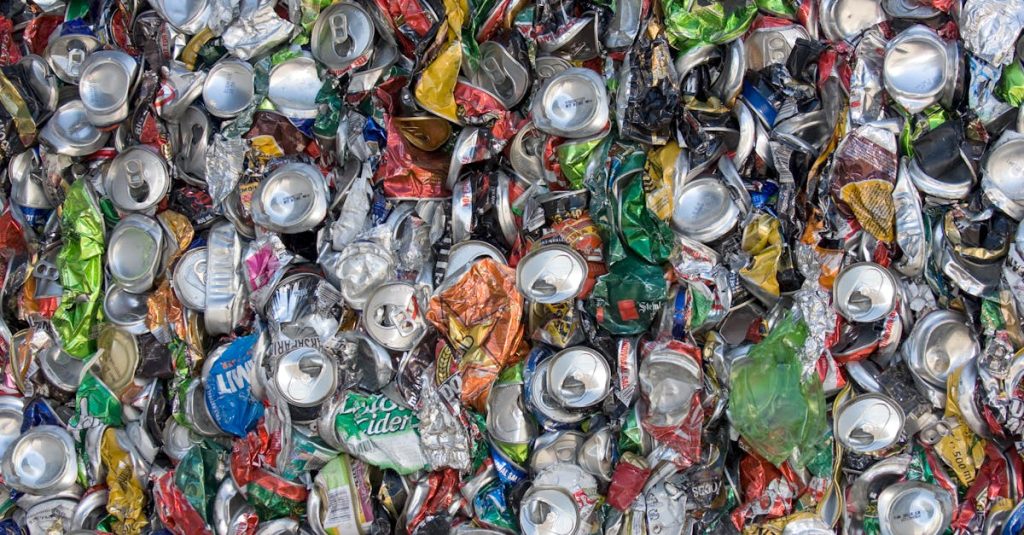
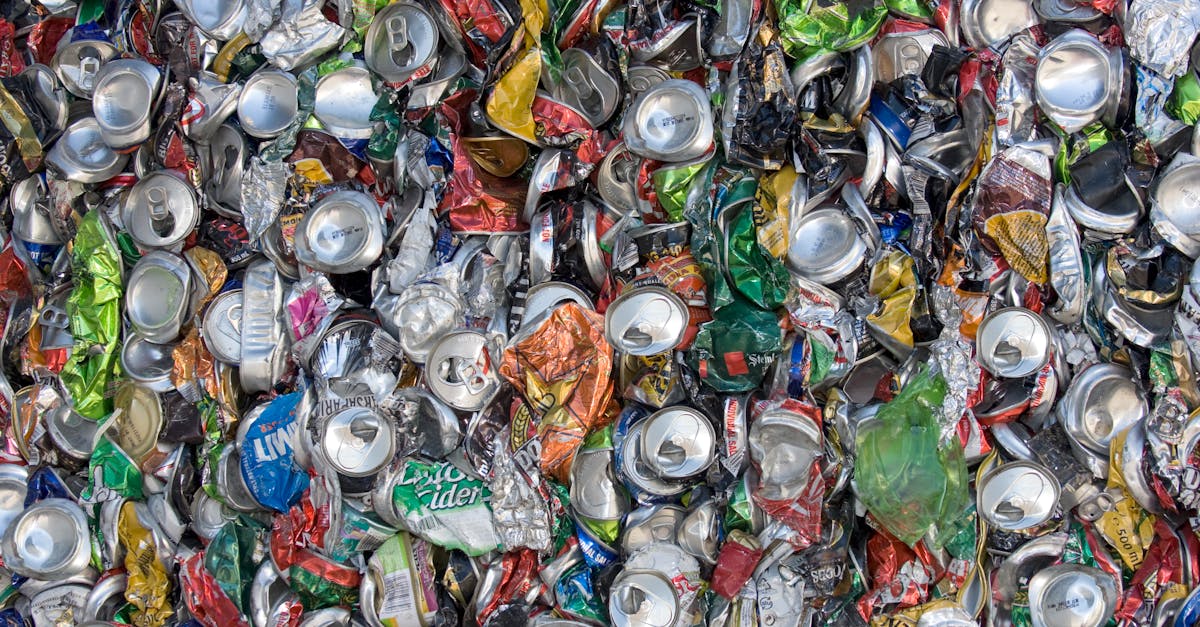
Aluminum recycling is an essentiel step toward building a sustainable future for our planet. This remarkable metal stands out due to its ability to be recycled endlessly without losing quality, making it a key player in reducing waste and conserving natural resources. By choosing to recycle aluminum, we save vast amounts of energy, cut down on greenhouse gas emissions, and protect vital ecosystems.
The Unique Value of Aluminum and Its Recycling Potential
Aluminum stands out as an incredibly versatile metal widely used in everyday products ranging from beverage cans to car components. One of its greatest environmental assets is its ability to be recycled infinitely without degradation in quality. This unique trait allows aluminum to be a cornerstone in sustainable manufacturing, offering a solution that reduces the strain on natural resources while promoting a circular economy.
The process begins with collecting discarded aluminum items, which are then cleaned, shredded, and melted down to form new products. Thanks to this cycle, the metal’s inherent strength and lightweight characteristics are preserved, ensuring that recycled aluminum maintains the same performance standards as its original form. This durability means fewer virgin materials are required, directly leading to significant energy savings and reduced environmental impact.
Beyond individual uses, the metal’s endless recyclability turns waste into an essential raw material, offering industries the chance to build more eco-conscious products without sacrificing quality or performance. Its continued reuse supports a smarter, more sustainable approach to material management that benefits producers and consumers alike.
The Environmental and Economic Benefits of Recycling Aluminum
Recycling aluminum cuts energy use dramatically, requiring up to 95% less energy than producing new aluminum from raw ore. This reduction translates into far fewer greenhouse gas emissions, making aluminum recycling a major player in battling climate change. By cutting down on the energy needed for production, recycling helps save valuable water and reduces pollution caused by mining activities.
Moreover, aluminum waste removed from landfills prevents long-term soil and water contamination. Since aluminum doesn’t degrade naturally, diverting it from waste streams significantly lessens environmental burdens. This waste management advantage aligns perfectly with zero-waste initiatives, supporting communities and businesses aiming for greener operations.
On the economic front, the aluminum recycling sector sustains over 160,000 jobs in the U.S. and generates billions of dollars annually. Many of these positions are green jobs, which highlight that environmental care and economic growth can go hand in hand. For manufacturers, switching to recycled aluminum offers cost savings due to reduced energy expenses and less reliance on volatile raw material markets, increasing both profitability and sustainability.
This synergy of ecological and financial gains underscores why aluminum recycling isn’t just smart; it’s essential for a sustainable future.
Challenges and Innovations Shaping Aluminum Recycling Today
While aluminum recycling offers tremendous benefits, it faces hurdles such as contamination from non-recyclable materials and limitations in recycling infrastructure, especially in rural areas. These issues affect the quality of recycled aluminum and the efficiency of recycling operations. Overcoming such challenges requires investment in advanced sorting technologies and heightened public awareness about proper disposal methods.
Innovative technologies like AI-driven sorting systems now allow recycling facilities to separate aluminum more accurately and rapidly from mixed waste streams. These advancements not only boost purity but also reduce labor and energy costs. Simultaneously, new smelting methods optimize energy consumption during melting, diminishing the carbon footprint of recycled aluminum even further.
Ongoing collaborations among government bodies, industry leaders, and nonprofits have led to improved policies and incentives that encourage aluminum recycling. Container deposit laws and subsidies for recycling infrastructure exemplify successful strategies that enhance participation and efficiency nationwide.
Thanks to these ongoing improvements, aluminum recycling is becoming more accessible and effective, setting the stage for increased adoption and environmental impact in the years ahead.
Industry Applications and the Road Ahead for Aluminum Recycling
Aluminum’s unmatched properties make it invaluable across sectors including:
- automotive,
- construction,
- packaging,
- electronics.
In transportation, its lightweight nature boosts fuel efficiency and reduces emissions, while in construction, recycled aluminum contributes to durable, corrosion-resistant building materials that help projects earn green certifications.
Packaging heavily relies on recycled aluminum, especially for cans and foils, where its endless recyclability powers sustainability efforts in food and beverage industries. Electronics manufacturers increasingly adopt recycled aluminum to align with growing demands for environmentally responsible products, optimizing performance without compromising eco-friendly goals.
The future of aluminum recycling is promising, driven by rising global sustainability commitments and cutting-edge innovations. Emerging technologies like blockchain provide unmatched supply chain transparency, building consumer trust and ensuring responsible sourcing. Additionally, growing use of renewable energy sources in recycling plants adds another layer to aluminum’s green credentials.
As climate policies intensify, aluminum recycling will play a pivotal role in meeting ambitious carbon reduction targets. Its expanding importance in sustainable manufacturing guarantees that businesses and communities choosing recycled aluminum today are investing in a cleaner, more resilient tomorrow.
In sum, aluminum recycling emerges as a game-changer, offering unparalleled environmental benefits and economic advantages by conserving precious energy, reducing emissions, and supporting green jobs. Its ability to be recycled endlessly ensures sustainable material management that underpins a resilient circular economy and a greener planet.
Take action today to enhance your environmental impact by integrating recycled aluminum into your operations or lifestyle. Contact Dade Scrap Iron & Metal experts now to discover tailored solutions that maximize energy savings and promote sustainability. Don’t miss out on leading the charge toward a cleaner, thriving future.


