
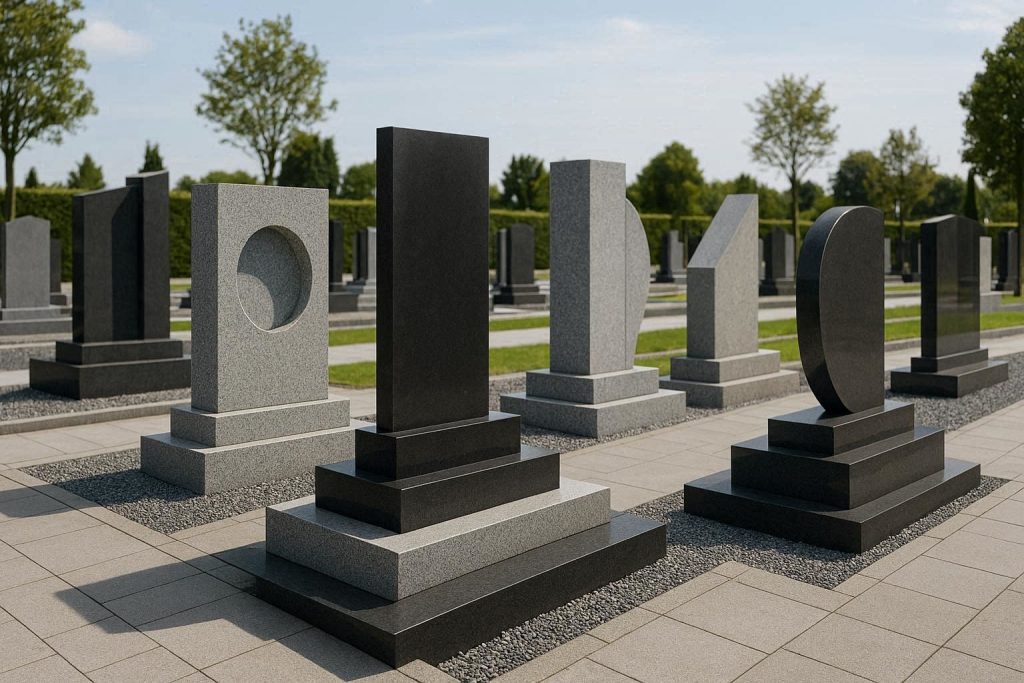
Monuments have long served as powerful symbols throughout history, representing cultural values, historical events, and societal beliefs. Their shapes often carry deep meanings that reflect the intentions of their creators and the communities they serve. In this article, we will explore various monument shapes and their symbolic meanings, delving into their historical contexts and cultural significance.
The Significance of Shape in Monument Design
The shape of a monument plays a crucial role in conveying its intended message. Each design element can evoke specific emotions or ideas.
- Circles: Often symbolize eternity, unity, and wholeness. Many cultures utilize circular forms in their monuments to represent continuity and the cyclical nature of life.
- Squares and Rectangles: These shapes often convey stability, order, and strength. They are frequently used in structures that commemorate significant events or figures.
- Pyramids: Commonly associated with power and the afterlife, pyramids evoke a sense of upward movement and aspiration, symbolizing the connection between earth and the divine.
- Obelisks: Tall and narrow, these structures often represent light and the sun, serving as monuments to honor gods or significant leaders.
Understanding these shapes enhances our appreciation of the monuments and the messages they aim to convey.
Historical Context of Monument Shapes
Throughout history, the shapes of monuments have evolved, influenced by various cultural and historical contexts. Each era and civilization brought its unique perspective, which is reflected in their monumental designs.
For instance, ancient Egyptian monuments, such as the Great Pyramids, were designed to ensure the pharaoh’s safe passage to the afterlife. The pyramid’s shape symbolizes the pharaoh’s ascent to the heavens, embodying both earthly power and spiritual significance.
In contrast, Roman monuments often displayed grand arches and columns, emphasizing strength and the glory of the empire. These designs were not only functional but also served as a statement of Roman engineering prowess and cultural superiority.
Cultural Interpretations of Monument Shapes
Different cultures interpret shapes in distinct ways, often leading to varied symbolic meanings.
For example, in many Indigenous cultures, circular shapes are prevalent in totems and ceremonial monuments, symbolizing the interconnectedness of life. This circularity reflects the belief in the unity of nature and the importance of community.
In Western cultures, angular shapes such as triangles and rectangles often represent stability and protection. These shapes are frequently found in war memorials or monuments dedicated to national heroes, signifying strength and resilience.
Modern Interpretations and Innovations
In contemporary society, professionals continue to experiment with monument shapes, pushing the boundaries of traditional design. Modern monuments often blend various shapes to create unique structures that challenge conventional symbolism.
For instance, the Vietnam Veterans Memorial in Washington, D.C., features a simple yet profound design that utilizes a reflective, angular shape. This choice invites contemplation and personal reflection, contrasting with more traditional, imposing monument styles. Such innovative designs often aim to foster emotional connections with viewers, allowing them to engage with history on a personal level.
Conclusion: The Lasting Impact of Monument Shapes
Understanding the shapes of monuments and their symbolic meanings provides valuable insights into the cultures and societies that created them. These structures serve as a testament to human creativity and the enduring significance of collective memory.
By appreciating the historical and cultural contexts surrounding these shapes, we can better grasp the powerful messages they convey. Monuments are not merely stone or metal; they embody the aspirations, values, and histories of the communities they represent. As we continue to encounter these remarkable structures, we are reminded of their profound impact on our shared human experience.


