
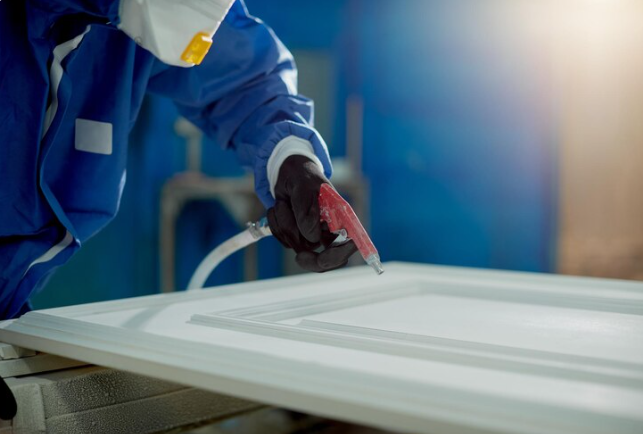
The application of protective coating is essential for maintaining the integrity and longevity of industrial equipment. In harsh operational environments, equipment is often exposed to corrosive substances, extreme temperatures, and wear and tear. This makes the use of high-quality protective coatings not just beneficial but necessary to prevent deterioration and ensure optimal performance. By investing in protective coatings, companies can significantly reduce maintenance costs, enhance equipment lifespan, and improve overall productivity.
The Importance of Protective Coatings
In the industrial world, the longevity and functionality of equipment are paramount. The harsh conditions many industrial tools endure can lead to wear and tear, not to mention costly repairs or replacements. Hence, the role of protective coatings cannot be overstated. These coatings are vital in preventing damage, enhancing performance, and saving costs over time.
Understanding Protective Coatings
So, what exactly are protective coatings? These are specialized materials applied to various surfaces to shield them from environmental factors. They can take various forms, including paints, varnishes, and specialized industrial coatings, each designed for specific needs. By creating a barrier between the equipment and external elements, these coatings effectively mitigate corrosion, abrasion, and other destructive forces.
Types of Protective Coatings
- Epoxy Coatings: Known for their exceptional adhesion and chemical resistance, these are perfect for machinery exposed to moisture and chemicals.
- Polyurethane Coatings: These coatings offer tremendous flexibility and durability, making them suitable for dynamic equipment.
- Ceramic Coatings: Often used in high-temperature applications, these provide excellent thermal protection.
Benefits of Applying Protective Coatings
Investing in protective coatings yields numerous advantages for industrial operations. Let’s explore the benefits in detail:
Enhanced Equipment Lifespan
One of the primary benefits of protective coatings is the significant extension of equipment life. By reducing wear and tear caused by environmental exposure, these coatings help machinery operate smoothly for much longer periods, reducing the need for premature replacements.
Improved Performance
With protective coatings in play, equipment performance sees a remarkable improvement. For instance, machines are less prone to overheating, corrosion, and mechanical failures, leading to higher operational efficiency.
Cost Savings
- Reduced Maintenance: Regular maintenance costs diminish when machinery remains in good shape due to protective coatings.
- Lower Replacement Costs: With a longer lifespan, equipment replacement is less frequent.
- Energy Efficiency: Well-coating equipment often operates at a better performance level, which can decrease energy consumption.
The Application Process
Applying protective coatings involves a meticulous process to ensure effectiveness. Key steps include:
- Surface Preparation: Thorough cleaning and preparation are crucial for the coating to adhere properly. Any contaminants must be removed.
- Coating Application: Depending on the type of coating, techniques may vary from spraying to brushing. Each method has its unique advantages and should be selected based on the equipment and environment.
- Curing: After application, allowing the coating to cure properly is essential for durability. This step ensures that the coating bonds strongly with the surface.
Regular Maintenance and Monitoring
Even with protective coatings, ongoing maintenance is essential. Regular inspections help in identifying any wear or damage to the coating early on, ensuring that the protective measures remain effective over time.
Considerations Before Application
Before applying any protective coating, it’s crucial to consider the specific requirements of the equipment and the operating environment. Factors such as temperature, exposure to chemicals, and physical abrasion should guide the selection of appropriate coatings.
Moreover, consulting with professionals can provide insights into the best coating options available, based on individual industrial needs. The expertise can also help in understanding the necessary maintenance protocols and the expected lifespan of the applied coating.
Implementing a Protective Coating Strategy
For industries serious about maintenance and operational efficiency, applying protective coatings is a strategic approach. Integrating these coatings into regular maintenance plans not only protects your investments but can also lead to substantial long-term savings.
By taking proactive measures in equipment care, businesses can ensure a robust and resilient industrial operation capable of withstanding the test of time.
To explore more about embracing innovative maintenance solutions, visit this resource for invaluable tips.


