When it comes to
lot clearing, especially on
difficult terrain, property owners and developers often face a daunting challenge. The type of
vegetation, the
topography, and the project’s end goals all play vital roles in determining the most effective clearing method to use. Whether tackling dense forests, rocky landscapes, or uneven soil, choosing the right approach is essential for optimizing efficiency and minimizing costs. This exploration of various clearing techniques aims to identify which methods truly deliver the best results in such challenging environments.
Understanding the Challenge of Difficult Terrain
Difficult terrain refers to landscapes that present significant challenges for
clearing activities. This may include slopes, rocky surfaces, swampy areas, or sites with steep natural features. Each type of terrain demands a tailored approach to ensure effective clearing while maintaining safety and efficiency.
Significance of Selecting the Right Method
Choosing the appropriate method for lot clearing not only impacts the overall
efficiency of the project but also influences factors such as cost, time, and environmental consequences. A strategic approach can mitigate potential issues associated with difficult terrain, ensuring a smoother pathway to project completion.
Popular Lot Clearing Methods for Difficult Terrain
Several techniques can be employed to clear lots, each exhibiting its advantages and disadvantages based on the landscape. Here’s a breakdown of the most effective methods:
- Mechanical Clearing
- Manual Clearing
- Forestry Mulching
- Chemical Methods
- Controlled Burning
Mechanical Clearing
Utilizing heavy machinery is often the go-to method for extensive clearing tasks. Equipment like bulldozers and excavators can tackle dense forests or rocky areas with impressive speed. However, in difficult terrain, the downside of mechanical clearing becomes apparent. The weight and size of the machinery can lead to soil compaction, which may hinder future plant growth. Skilled operators are essential to navigate uneven surfaces and prevent unnecessary damage.
Manual Clearing
For less accessible areas or sites where precision is paramount,
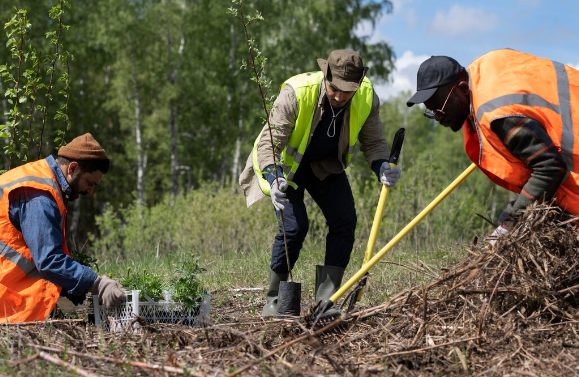
manual clearing offers a more controlled approach. Armed with tools like axes and machetes, crews can selectively remove overgrowth. This method is often favored in environmentally sensitive areas where machine access is limited, ensuring minimal soil disruption. However, its labor-intensive nature can lead to higher costs and longer project timelines.
Forestry Mulching
Known for its eco-friendliness, forestry mulching involves grinding vegetation into mulch that remains on-site. This method minimizes soil disturbance, enhances nutrient recycling, and aids in controlling erosion, vital for hilly or uneven terrains. The equipment used for this technique is versatile and can easily adapt to challenge diverse landscapes, making it an effective choice for properties with a mix of obstacles.
Chemical Methods
While not a common go-to solution for lot clearing, chemical methods offer advantages in specific situations, especially for controlling invasive plant species. Herbicides can eliminate unwanted vegetation effectively but require careful handling to avoid damaging surrounding plants and soil. Knowledge of local regulations governing chemical use is vital when considering this approach.
Controlled Burning
Controlled burning, or prescribed fire, can be an effective method in areas where natural vegetation has become dense. This technique reduces the accumulation of combustible materials and facilitates ecological balance. However, it requires careful planning and monitoring to prevent unwanted wildfires, particularly in challenging terrains that may be prone to rapid fire spread.
Cost and Time Considerations in Lot Clearing
The
cost of lot clearing on difficult terrain can vary significantly based on factors such as:
- Size of the area to be cleared
- Type and density of vegetation
- Accessibility of the site
- Method used for clearing
Some methods, such as mechanical clearing, may yield faster results but come with higher upfront costs. Others, like manual clearing, may be less expensive but require more time, impacting overall project timelines.
Best Practices for Successful Lot Clearing on Difficult Terrain
To achieve the best results when clearing lots, especially on tough landscapes, consider implementing the following best practices:
- Conduct a comprehensive site assessment to determine suitable methods.
- Engage skilled professionals for machinery operation.
- Adhere to local regulations to avoid legal complications.
- Implement erosion control measures post-clearing.
By carefully considering the method and incorporating these best practices, property owners can optimize the clearing process, ensuring that their land is ready for the intended project.
For those looking for reliable assistance in managing lot clearing on challenging terrain,
Just Diggin’ Contracting offers specialized services tailored to meet your specific needs.