
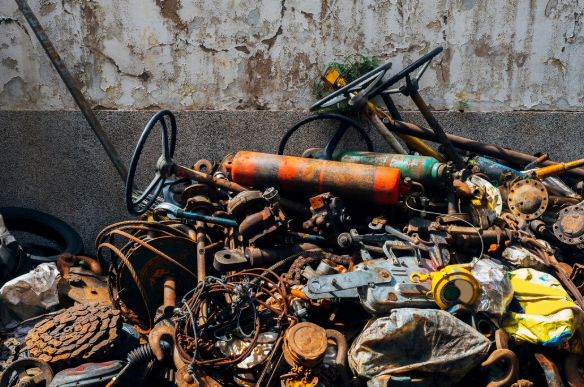
The modern recycling industry is in a state of rapid transformation, driven by a collective commitment to sustainability and efficient waste management practices. As we venture further into 2026, maximizing material recovery rates has become essential for businesses aiming not only to comply with stringent environmental regulations but also to thrive in a circular economy. This article delves into strategies and techniques that Recycling Project Managers can employ to enhance recovery efficiencies, optimize resources, and reinforce their operational frameworks. As the complexities of waste sorting and recovery techniques grow, the significance of data-driven insights cannot be overstated.
Understanding Material Recovery and Its Importance
Material recovery refers to the process of retrieving valuable materials from waste streams, allowing them to be reintroduced into the manufacturing cycle. Efficient material recovery not only conserves natural resources but also reduces landfill waste, supporting sustainability efforts globally. In 2026, the recycling landscape faces increasing challenges, including evolving technologies and fluctuating market conditions.
Effective recovery rates can lead to substantial economic advantages. By analyzing and improving recycling processes, organizations can achieve significant cost savings and operational efficiency. Through rigorous data analysis, Recycling Project Managers can assess their performance and benchmark against industry standards.
Engagement with Advanced Data Analytics
Today, advanced data analytics plays a crucial role in enhancing recovery rates. By utilizing business intelligence tools, project managers can gather in-depth insights into their material flows. This includes monitoring key performance indicators (KPIs) that reflect throughput rates, recovery efficiencies, and contamination levels. Regular analysis of this data allows for proactive adjustments in operational strategies, leading to heightened efficiency and resource optimization.
Techniques for Maximizing Material Recovery Rates
- Improved Waste Sorting: Efficient sorting is essential to separate valuable materials from contaminants. Automated systems can reduce human error, therefore enhancing recovery rates.
- Investment in Innovative Technologies: Technologies like AI and machine learning can analyze sorting patterns and predict trends in material recovery, aiding operational decisions.
- Collaboration Across Departments: Open communication between teams involved in the recycling process helps in identifying areas of improvement and fostering innovative thinking.
- Regular Training Programs: Continuous education for staff on new technologies and best practices in waste management ensures everyone is equipped to maximize efficiency.
- Implementation of Feedback Mechanisms: Establishing channels for feedback can help identify operational bottlenecks and develop strategies to overcome them.
Leveraging Case Studies for Best Practices
Examining real-world success stories can illuminate effective strategies that have been employed across the recycling sector. For instance, a recycling facility that invested in an integrated data dashboard was able to visualize its recovery performance in real time. This led to a 15% increase in recovery efficiency within a year. By scrutinizing different waste streams, the facility identified underperforming materials and adjusted processing protocols accordingly.
Linking Predictive Maintenance to Recovery Efficiency
Predictive maintenance is another innovative approach yielding positive results in material recovery. Facilities employing this strategy can address equipment issues before they arise, minimizing unplanned downtime and ensuring a steady material flow. For example, machinery failures were analyzed using past data patterns—allowing for timely repairs. Such anticipatory measures have shown to significantly bolster recovery rates.
Benefits of Sustainability in Material Recovery
The push for sustainability is not merely an ethical obligation; it has evolved into a vital business strategy. As regulations around waste management tighten, companies must adopt eco-friendly processes to remain competitive. By focusing on sustainability, organizations can optimize resources while driving innovation in recycling processes. This not only reinforces public trust but also opens doors to new markets that prioritize environmentally responsible practices.
Building a Circular Economy through Effective Recovery
A successful material recovery strategy contributes to the broader goals of the circular economy by reducing waste and maximizing resource reuse. By integrating recovery initiatives with circular principles, businesses can capitalize on new opportunities for growth while maintaining a focus on efficiency and sustainability. For example, a project manager might implement systems that allow the reuse of materials from production waste, creating a closed-loop process that minimizes environmental impact.
| Challenge | Solution | Expected Outcome |
|---|---|---|
| Inconsistent Recovery Rates | Implement Advanced Sorting Technologies | Higher Efficiency and Lower Contamination |
| Staff Resistance to Change | Conduct Regular Training | Enhanced Engaging Workforce |
| Data Management Issues | Adopt Integrated Data Dashboards | Real-Time Recovery Monitoring |
Conclusion
Maximizing material recovery rates is a multifaceted endeavor that blends technology, workforce engagement, and sustainable practices. By leveraging advanced data analytics and adopting innovative strategies, Recycling Project Managers can ensure they meet the challenges of 2026 head-on. Companies eager to sharpen their competitive edge should explore resources and tools from Dade Scrap Iron & Metal to support their operational transformations and boost material recovery.


