
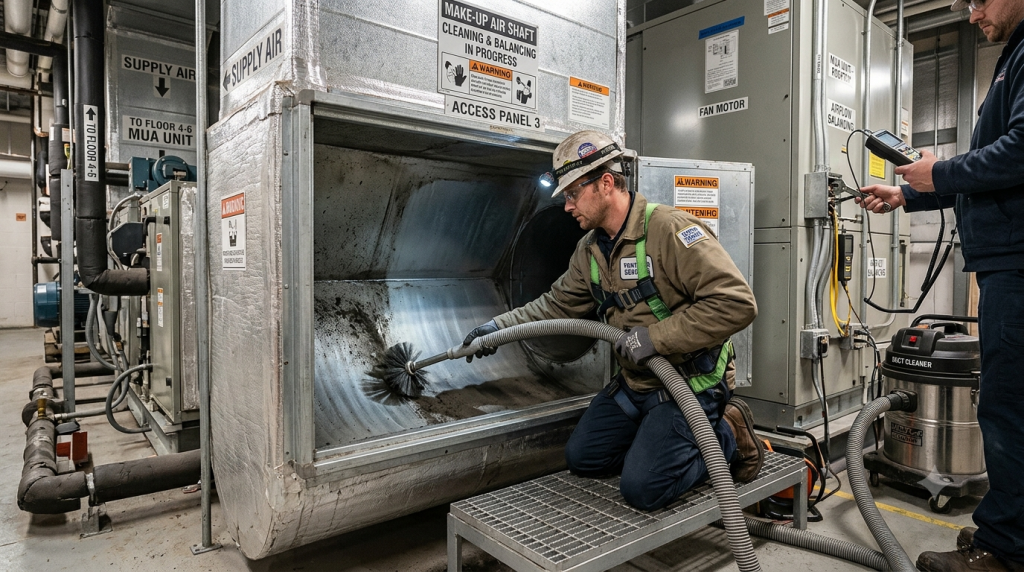
Understanding the critical role of make-up air shaft cleaning and balancing is vital for optimizing HVAC systems. As businesses continue to evolve, maintaining a comfortable and safe indoor environment becomes paramount. This article delves into how effective maintenance strategies directly contribute to enhanced HVAC performance, ultimately improving air quality and energy efficiency.
Exploring Make-Up Air Systems
Make-up air systems are integral to maintaining positive air pressure within a facility. As industrial buildings often require significant ventilation and exhaust systems to manage air quality, the introduction of make-up air becomes crucial. These systems replace the exhaust air, bringing in fresh outdoor air and conditioning it to meet comfort requirements.
When operating efficiently, make-up air units can simulate a balanced indoor environment by ensuring that fresh air is appropriately heated or cooled before entering the workspace. This system not only combats issues of negative pressure but also significantly enhances worker comfort and productivity.
The environmental dynamics within a building can cause problems when either too much or insufficient make-up air is available. An influx of unconditioned outdoor air may flood the premises, leading to drafts, uneven temperatures, and increased energy consumption as HVAC systems struggle to maintain the desired environment. Aligning the make-up air supply with the exhaust demands is essential to achieving optimal performance.
Understanding Negative Pressure Issues
Negative pressure arises when more air is exhausted from a building than the amount of fresh air being brought in. This creates various complications, including:
- HVAC System Strain: The HVAC units work harder to compensate for the lack of fresh air, leading to increased wear and tear.
- Indoor Air Quality Deterioration: Poor air balancing can lead to inadequate ventilation, which adversely affects health and productivity.
- Safety Hazards: The negative pressure can cause harmful contaminants to be drawn back into the building, posing to employee health.
Addressing these issues through structured make-up air solutions not only solves immediate problems but also fortifies the overall operational efficiency. Efficient air balancing ensures that outdoor air sources correctly match the exhaust demands, maintaining a controlled and safe indoor atmosphere.
Cleaning the Make-Up Air Shaft
Regular cleaning of the make-up air shaft is paramount for ensuring the longevity and effectiveness of HVAC systems. Over time, dust, debris, and contaminants can accumulate, obstructing airflow and reducing efficiency. Such blockages could lead to significant drops in system performance.
A clean shaft facilitates optimal airflow, enhancing the system’s ability to maintain consistent indoor air quality. When dirt and grime build up, they create obstructions, which disrupt the air handling unit (AHU) and lead to increased operational costs and energy inefficiency. Regular maintenance of the shaft supports smooth operations and prolongs the lifespan of HVAC components.
Benefits of Routine Cleaning
Implementing a thorough cleaning schedule yields numerous benefits including:
- Improved Air Quality: Clean air shafts significantly contribute to better indoor air quality by reducing allergens and contaminants.
- Enhanced Energy Efficiency: Clean ducts promote better airflow, reducing the workload on HVAC systems and leading to lower energy consumption.
- Extended Equipment Lifespan: Regular maintenance prevents premature wear on HVAC components, reducing the need for costly repairs and replacements.
For these reasons, businesses should allocate resources toward effective shaft cleaning practices. An investment in routine inspections and maintenance can prevent larger problems down the line, ensuring sustainability and operational effectiveness.
Balancing Airflow for Optimal Performance
Air balancing is an essential component of maintaining the efficiency of HVAC systems. Achieving the right air balance ensures that all areas within a building receive adequate airflow. When air is not balanced, certain zones may experience excess pressure while others face deficiencies, leading to discomfort for occupants.
Utilizing tests, adjustments, and balancing (TAB) procedures enables technicians to assess and calibrate the air distribution effectively. The result is a distribution system that meets the desired specifications, enhancing space comfort and energy efficiency.
Implementing Effective Balancing Strategies
Several strategies can help ensure accurate airflow balancing in HVAC systems, including:
- Measuring Airflows: Utilizing flow hoods and probes during the balancing process provides precise readouts, allowing for informed adjustments.
- Adjusting Dampers: Manipulating dampers ensures that each zone receives the correct airflow, preventing hot or cold spots.
- Monitoring System Performance: Post-balancing audits help verify that the system operates as intended, reducing the likelihood of future issues.
A careful approach to air balancing contributes to a well-functioning HVAC system that not only meets efficiency standards but also creates a healthier environment for employees.
Optimizing Energy Efficiency
The energy consumption of HVAC systems can be significantly reduced through effective make-up air shaft maintenance and balancing strategies. As facilities shift towards sustainability and reduced operating costs, optimizing these systems becomes critically important. Regular cleaning and balancing directly affect energy usage and overall HVAC effectiveness.
By investing in efficient make-up air solutions, businesses may experience reduced energy costs while supporting cleaner air practices within their facilities. This is increasingly valuable as regulations regarding indoor air quality and energy consumption become more stringent.


