
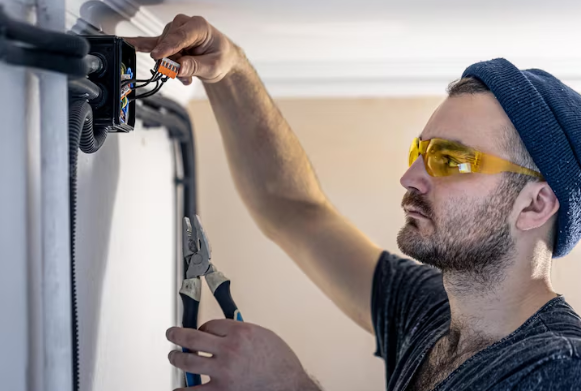
As smart homes evolve, understanding the intricacies of low-voltage electrical services becomes essential. Selecting the right wiring gauge ensures optimal performance, enhanced safety, and long-lasting reliability for various smart devices. This guide delves into the specifics of wire selection, offering insights that simplify the installation process.
Understanding Low-Voltage Wiring for Smart Home Systems
Low-voltage wiring plays a pivotal role in supporting various smart home technologies, including security systems, lighting, and audio-visual equipment. Operating at voltages below 50 volts increases safety by minimizing the risk of electric shock while making installations simpler due to thinner, more flexible wire options. These characteristics make low-voltage wiring a prime choice in today’s technology-driven homes.
Analyzing Wire Gauge Selection
Choosing the appropriate wire gauge is vital for ensuring efficient power distribution within your smart home system. A wire gauge chart serves as an excellent resource, highlighting the different sizes and their specific uses based on factors such as current requirements and distance from the power source. Wire gauges, measured using the American Wire Gauge (AWG) system, indicate thickness—lower numbers represent thicker wires capable of carrying more current.
Recognizing Voltage Drop and Its Implications
Voltage drop can be a significant concern in low-voltage systems, particularly when cables run over long distances. As electricity travels through wires, resistance occurs, potentially causing devices to underperform. By selecting the right wire gauge according to the distance and current requirements, you can mitigate issues related to voltage drop, enhancing overall system functionality.
| Current (A) | Length in Feet | Recommended Wire Gauge (AWG) |
|---|---|---|
| 5 A | 15 Ft | 16 AWG |
| 10 A | 20 Ft | 14 AWG |
| 15 A | 30 Ft | 12 AWG |
| 20 A | 40 Ft | 10 AWG |
Establishing a Solid Low-Voltage Installation Plan
Before embarking on a smart home project, having a comprehensive installation plan is beneficial. Knowing where devices will be placed and the necessary cable runs allows for a more organized approach to wiring. This planning phase not only streamlines the installation process but also helps avoid potential costly retrofits later on.
Mapping Component Locations
Begin by creating an inventory of all smart devices you plan to install. This includes items like smart lights, security cameras, and smart speakers. Documenting the specific locations will help clarify the pathways for running low-voltage cables and ensure the necessary infrastructure is in place.
Designing Effective Cable Routing Strategies
After identifying the component locations, it’s crucial to design your cable routing strategy. Central hubs are often recommended to consolidate cables and minimize interference. Maintaining separation between low-voltage and high-voltage cables is essential for preserving signal integrity and ensuring the performance of the smart home system.
Implementing Best Practices During Installation
Proper installation techniques are vital to a successful low-voltage system. Adhering to guidelines, such as maintaining necessary cable separations and using the right support systems, enhances both safety and longevity.
Maintaining Cable Separation and Support
Low-voltage cables should be kept at least 12 inches away from high-voltage lines to reduce interference. Utilizing non-metallic staples or cable ties to support cables at regular intervals prevents damage and ensures cables remain in place, promoting the overall efficiency of the installation.
Testing and Future-Proofing Your System
Before finalizing the installation, conducting continuity tests helps identify any issues such as pinched cables. Planning for future technology upgrades, by using a slightly larger gauge or incorporating additional conduits, can save time and money later on. Anticipating changes can greatly enhance your system’s adaptability to advancing technologies.
Enhancing Smart Home Efficiency with Proper Wiring
Implementing the right low-voltage wiring not only boosts the functionality of your smart home devices but also contributes to energy savings over time. By choosing suitable wire gauges and maintaining proper installations, you’re ensuring devices operate reliably without risking issues like overheating or reduced performance.
Understanding and implementing correct low-voltage wiring techniques is vital in creating an efficient smart home environment. The right wire size, proactive planning, and adherence to best practices serve as the foundation for reliable and energy-efficient systems. For expert guidance tailored to your unique needs, consider consulting Aline Utility Limited, where professionals can assist with optimized low-voltage installations.


