
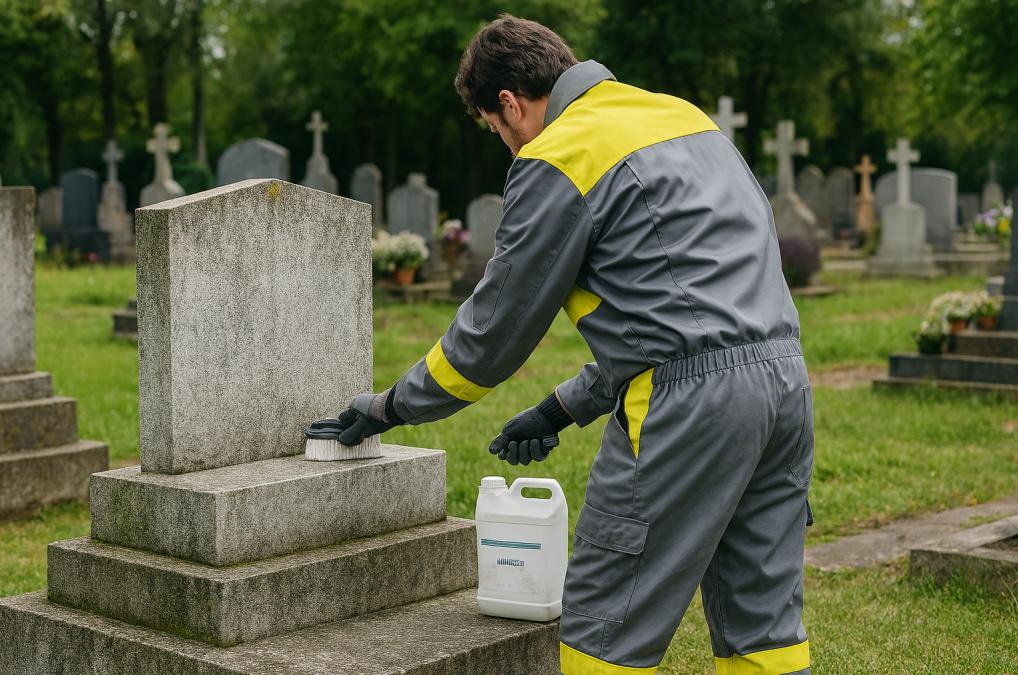
Keeping a loved one’s funeral monument clean is a respectful and important task. This process, however, requires a delicate approach to prevent damage to the stone. Understanding how to clean memorials effectively is key to their long-term preservation. Here is our expert advice to help you restore and maintain your monument’s dignity.
The Delicate Nature of Funeral Monuments
Every monument is a silent storyteller etched in stone, but also a fragile asset subject to natural wear and tear. Before rushing into cleaning, it’s essential to grasp the materials and risks involved. This foundational knowledge prevents accidental damage and preserves the monument’s beauty for generations to come.
The most common materials you’ll encounter include marble, granite, and bronze. Each reacts differently to cleaning methods and chemicals, requiring tailored care. For instance, marble is softer and prone to erosion if harsh chemicals are used, while granite is sturdier but still not immune to scratches or discoloration.
Additionally, environmental factors such as moisture, moss, and lichen can accumulate, especially since monuments are typically outdoors. While these natural elements might look unsightly or even disrespectful, improper removal techniques can cause irreversible damage.
Before cleaning, a thorough inspection for cracks, chips, or instability is vital. Damaged stones need professional restoration experts who can avoid worsening the condition. Attempting a DIY fix on a compromised monument can end in heartbreak and expensive repairs.
Step-by-Step Guide to Safe and Effective Cleaning
Cleaning a funeral monument is a process that involves patience, respect, and the right materials. Starting gently and progressing responsibly is the key to success and stone preservation.
- Start with Permission and Preparation: Always ensure you have the cemetery’s consent before cleaning a monument. Some sites have strict regulations, especially for historical markers or government-issued memorials.
- Inspect and Identify Material: Knowing the exact stone type informs your cleaning strategy. Ask cemetery staff if uncertain, or refer to reliable guides online to identify your monument’s composition.
- Begin with Gentle Cleaning Methods: Use soft brushes or cloths to gently remove dirt, leaves, and debris. Cutting back nearby plants while being careful not to disturb roots can stop invasive growth. For moss and lichens, soaking the stone with water helps loosen growth, making it easier to remove with a plastic scraper without scratching.
- Select Appropriate Cleaning Products: Avoid harsh chemicals like bleach or acids. Start with mild soap and water solutions. If buildup persists, specialty cleaners approved for the stone type are available, but it’s crucial to test on a small, inconspicuous area first to avoid discoloration or damage.
Essential Tools and Materials
Here is a handy list of the basic tools you will need for an effective and safe cleaning:
- Soft-bristled brushes and toothbrushes
- Clean cloths or sponges
- Plastic scrapers for moss removal
- Mild soap or stone-safe cleaning agents
- Water source for soaking and rinsing
How Often Should You Clean Funeral Monuments?
It might be tempting to keep your loved one’s memorial spotless year-round, but cleaning too frequently can cause harm. Over-cleaning erodes the surface and can loosen delicate details over time. Environmental factors also influence how often cleaning is appropriate.
The general recommendation is to clean every 1 to 2 years. This timeline respects the stone’s natural aging process while keeping monuments legible and dignified. In areas with excessive moss growth or pollutants, occasional spot cleaning may be necessary, but always employ the gentlest method possible.
Avoid seasonal extremes when deciding on cleaning times. Ultra-hot summers or freezing winters can affect stone moisture and stability, so choose mild weather for maintenance work to reduce risks.
Maintaining a Monument’s Beauty Over Time
Besides cleaning, regular inspections can catch early signs of damage or moss buildup. Consider pairing this upkeep with professional cleaning services occasionally, especially if you want to combine the reliability of experts with your gentle care.
For help updating other areas of your home or ensuring a clean environment, you might enjoy reading about sparkling cleaning services or smart home cleaning tips. These tips can enhance the care you provide to your loved ones’ resting places as well as your living spaces.
When to Call the Professionals: Restoration and Preservation
While many headstone cleanings can be done carefully at home, some situations call for expert intervention. If the stone is cracked, chipped, or unstable, professional restoration is the safest route to prevent further damage.
These specialists use industry-approved techniques that respect the monument’s history and material composition. They also have access to advanced products and tools not available for typical household use.
You can research local monument restoration experts or preservation societies to receive trustworthy support. Reliable companies, like P&G Memorials, often offer consultations and will guide you through care, cleaning, and any necessary repairs.
Handling funeral monuments with care preserves the memory and dignity of loved ones. As you proceed with cleaning, balance your efforts with caution and respect, making each visit meaningful.
If you want to ensure your loved one’s monument receives the expert cleaning it deserves, contact a professional restoration company today. Their specialized knowledge and products will safeguard the stone’s beauty and legacy. Remember, respectful care today means preserving memories for generations to come.
https://www.youtube.com/watch?v=m_Msg-GPsX4


