Are you facing a roof repair dilemma and feeling overwhelmed by the options and processes? You’re not alone! In this Roof Repairs FAQ, we’ll break down everything homeowners need to know before tackling those important roof fixes, making it easier for you to navigate the repair journey with confidence.
Understanding Your Roof Issues
As a homeowner, encountering roof issues can be daunting. Whether you’ve discovered a leak or noticed missing shingles, understanding the problem is the first step towards a solution. But how do you know if it’s a minor fix or a major repair? Let’s explore the signs that indicate a roof repair might be necessary:
- Water stains on ceilings or walls
- Missing, cracked, or curled shingles
- Sagging rooflines
- Granules collecting in gutters
- Sunlight streaming through the attic
Step-by-Step Guide to Roof Repairs
1. Schedule a Professional Inspection
The roof repair process begins with a detailed inspection by a qualified roofer. They will assess the state of your roof and identify any underlying issues. Expect a thorough evaluation followed by a written estimate that breaks down both materials and labor costs. This transparency is crucial; you should never feel pressured into unnecessary work.
2. Approving the Quote and Scheduling
After receiving your estimate, once you’ve approved the quote, it’s time to schedule the repairs. Local contractors typically prioritize urgent leaks, and depending on weather conditions, repairs can be set up within a day or so. Don’t hesitate to ask your contractor about preventative measures like temporary tarping if there are delays.
3. Preparing for Repairs
On the day of the repair, a good roofing team will prepare the area efficiently. This includes clearing debris from the roof and setting up protective tarps to safeguard your landscaping and gutters. Proper preparation ensures safety and cleanliness throughout the repair process.
4. Performing the Actual Repair
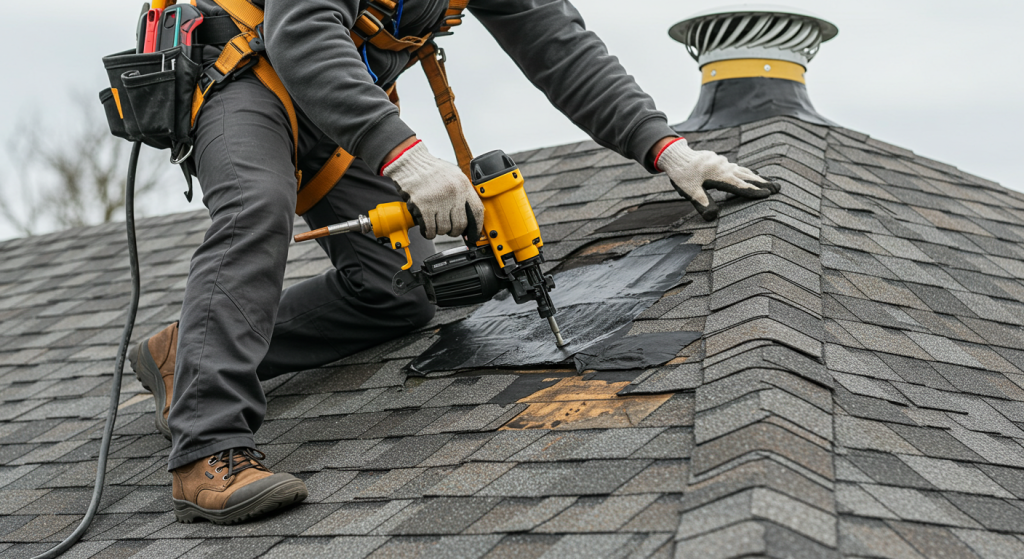
The real work happens here. Depending on the nature of the issue, repairs may involve:
- Replacing damaged shingles
- Fixing flashing around vents and chimneys
- Sealing minor leaks
- Repairing roof decking affected by rot
Make sure to request before-and-after photos for your records—it’s a great way to appreciate the work done and keep your peace of mind.
Essential Roofing Considerations
5. Clean-Up and Final Walkthrough
Once repairs are finalized, a reputable roofing contractor will conduct a thorough clean-up, ensuring that nails, debris, and old materials are removed. No mess should be left behind. A final walkthrough will ensure that everything is properly sealed and aligned. A trustworthy company often provides a warranty for their workmanship, safeguarding against future mishaps.
6. Understanding Costs
One common concern for homeowners is the cost associated with roof repairs. Prices can vary due to numerous factors, including material type, size of damage, and local labor rates. When budgeting, be prepared for expenses that could range significantly. If you find yourself overwhelmed, consider comparing quotes from multiple contractors to find options that suit your budget and needs.
7. Tackling Insurance Claims
If your roof has endured damage from storms or other covered incidents, check your homeowners insurance. Submitting a claim can mitigate costs significantly but remember that normal wear and tear is typically excluded. It’s crucial to stay informed about your policy and work closely with your contractor to align efforts with your insurance process.
Frequently Asked Questions
What if I find a problem during my inspection?
If you discover an issue, it’s prudent to address it as quickly as possible to prevent further damage. Early intervention can save you a considerable amount of money in the long run.
Should I consider a roof replacement?
In cases where a significant portion of the roof is damaged, you may want to consider a replacement instead of continued repairs. If over 30% of your roof shows signs of trouble, it might be time to explore replacement options.
Are DIY roof repairs advisable?
While some minor fixes can be addressed as a DIY project, replacing an entire roof should always be left to professionals. Attempting significant repairs can void warranties or impact any insurance claims. It’s best to consult with experts to ensure everything is done correctly.
Preparation and Conclusion: Key Takeaways
Before starting any repair project, take the time to research and gather estimates. Knowing your roof’s condition and what to expect can make the entire process much smoother. For further insight, check out resources on roofing repairs and dealing with roof damage.
Final Thoughts
Taking care of your roof is crucial for the safety and longevity of your home. If you encounter any significant issues, it’s wise to consult a professional roofing expert to ensure proper repairs are made, keeping your home secure and your mind at ease. Remember, a well-maintained roof can prevent bigger problems down the road.