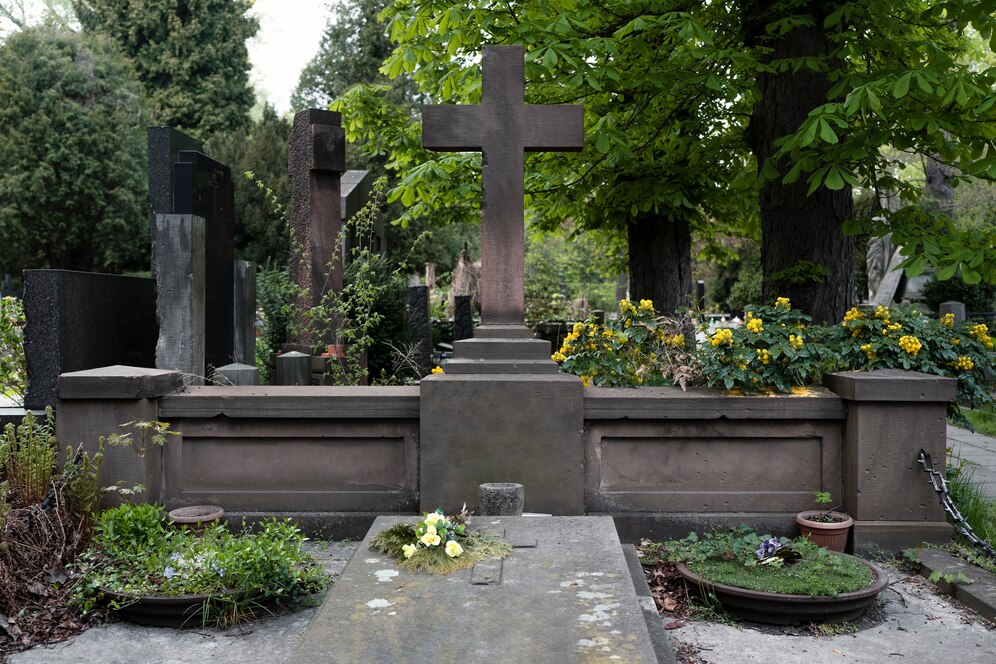
When it comes to memorializing a loved one,
on-site cemetery inscriptions play a crucial role in preserving their memory. Understanding the various
stone types available for inscriptions, the
tools used, and the intricacies of
engraving depth is essential for creating lasting tributes. Different stones, such as
granite and
marble, require specific techniques to ensure precision and consistency in
inscriptions. The tools, ranging from
sandblasting equipment to traditional chisels, facilitate a variety of engraving styles, allowing customization that honors the unique character of each individual. The depth of the engraving also holds significance, affecting both the aesthetics and durability of the inscription.
Types of Stones Used for Inscriptions
The choice of
stone is vital as it influences the inscription’s
durability and aesthetics. Below is a breakdown of popular stone types:
- Granite: Renowned for its strength and durability, granite is impervious to weathering, making it a prevalent choice for headstones. Its availability in diverse colors adds a personal touch.
- Marble: While marble boasts an elegant appearance, it is more susceptible to weather conditions compared to granite. Therefore, its maintenance requires greater attention.
- Slate: Cooler in tone and rich in history, slate allows for striking inscriptions but may not stand up as well under certain environmental conditions.
- Fieldstone: With its rustic charm, fieldstone offers natural textures and colors. It can be a beautiful alternative for those seeking a less conventional headstone.
Essential Tools for Engraving
The art of engraving is not just about delicate strokes on stone; it involves using specialized equipment designed for efficiency and precision. Below, find a summary of key tools used by skilled artisans:
Sandblasting Equipment
Sandblasting is among the most common methods for on-site engravings. It involves propelling fine grit material against the stone surface through a high-pressure nozzle. The choice of grit, such as aluminum oxide, enhances the engraving process. The core components include:
- Compressor: This powers the sandblasting system, supplying the necessary air pressure for operation.
- Nozzle: The nozzle directs the abrasive material, shaping the inscription into the stone.
- Stencil: Creating a stencil ensures precision during the engraving, protecting surrounding areas from unwanted abrasion.
Hand-Carving Tools
Some professionals prefer the ancient craft of hand-carving. Utilizing chisels and mallets, artisans meticulously engrave letters and designs by hand. This method allows for more personalized final touches, distinguishing it from machine techniques. Both methods have their merits, depending on the desired outcome.
Understanding Engraving Depth
Engraving depth is a critical aspect that impacts both visibility and longevity of the inscription. Here are important points to consider regarding
engraving depth:
- Shallower cuts: While quicker and less labor-intensive, shallow engravings may fade more rapidly. They are suitable for delicate designs but should be used judiciously.
- Deeper engravings: Opting for deeper cuts provides a more durable result. This method enhances visibility and prolongs the lifespan of the inscription, making it an ideal choice for more significant dates or names.
Surface Preparation and Maintenance
Preparing the stone surface is just as crucial as the engraving itself. Technicians must inspect for cracks, wear, and overall condition. They will clean the stone using soap and water to remove debris, followed by the use of rubbing alcohol to eliminate any grease. Proper maintenance ensures that inscriptions remain clear and legible over time.
Consistency and Quality Control
Matching the font, size, and spacing of existing inscriptions is vital for maintaining harmony. Professionals often present advance proofs to clients for approval. This practice minimizes errors and ensures satisfaction upon completion.
Challenges When Engraving On-Site
Despite careful planning, on-site engraving can present several challenges. Environmental conditions, such as rain or extreme temperatures, often hinder the work process. Additionally, weathered stones may limit available engraving space. Skilled technicians are trained to navigate such difficulties, adapting their methods to handle unique situations.
Ultimately, the art of cemetery inscriptions strikes a balance between creativity, skill, and emotional depth. Whether you prefer the modern approach of sandblasting or the traditional craft of hand-carving, expert techniques ensure your loved ones are honored with dignity.
For expert assistance and high-quality products, consider reaching out to
Volusia County Memorials for your memorial needs.