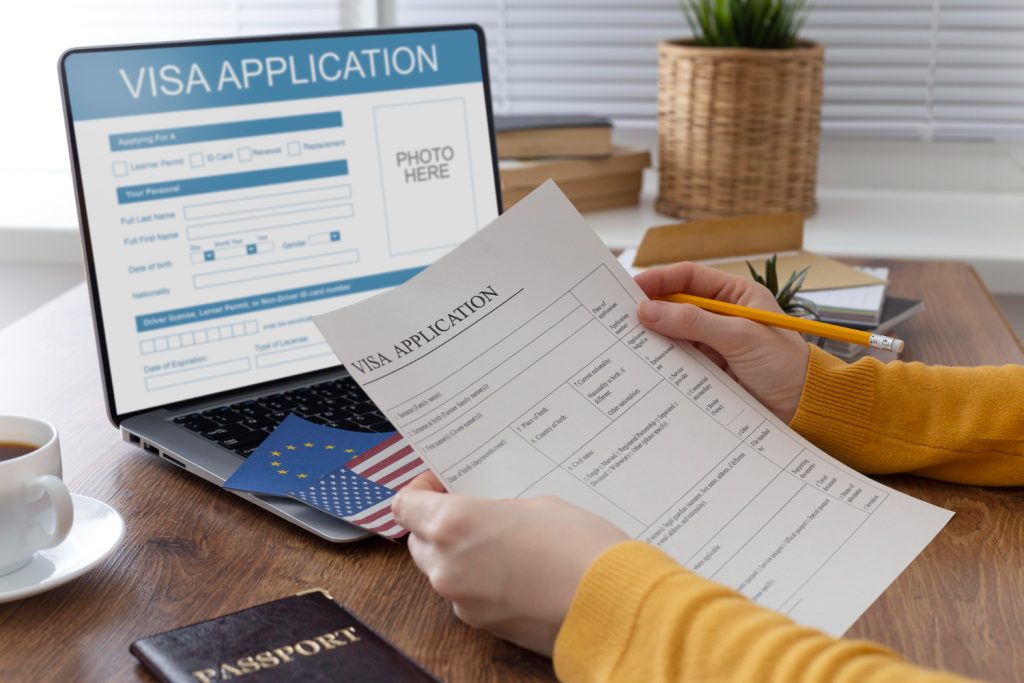
Receiving a visa refusal can be a disheartening experience, especially after dedicating time and effort to prepare your application. Understanding the
grounds for cancellation and the specific reasons for your denial is essential in navigating this challenging situation. Whether it stems from insufficient ties to your home country or documentation issues, recognizing what led to the refusal is the first step in crafting a stronger case. By addressing these concerns and presenting compelling evidence, you can enhance your chances of a successful visa application in the future.
Common Grounds for Visa Denial
Visa denials can stem from various reasons, each falling under specific legal grounds that dictate different responses and solutions.
Insufficient Ties to Home Country
One of the standout reasons for visa denial falls under Section 214(b) of the Immigration and Nationality Act. Consular officers often require strong proof that applicants have substantial ties to their home country. These ties could be in forms of:
- Stable Employment: A consistent job, ideally with a letter from your employer confirming leave details and anticipated return.
- Property Ownership: Demonstrating ownership of real estate or having long-term lease agreements.
- Family Commitments: Immediate family members who will remain in your home country, like spouses or children.
- Financial Stability: Bank statements proving sufficient funds to support your stay in the U.S.
Incomplete Application
Another prevalent ground for denial is under Section 221(g), which implies that the application is incomplete, or the consulate requires additional documentation. Here, the officer may not outright deny your application but needs more information to make an informed decision.
Health and Criminal Issues
Various health-related concerns or a criminal history can also trigger refusals, classified under INA Section 212(a). Such complications can automatically disqualify applicants, emphasizing the importance of transparency during the application process.
Misrepresentation and Fraud
Lastly, instances of providing misleading information—what is notoriously known as misrepresentation—can lead to severe repercussions. Any discrepancies in your application can significantly impede the chances of visa approval.
Steps to Take After a Visa Denial
If your visa application has been denied, it’s crucial to stay calm and follow a structured plan to address the situation.
Analyzing the Refusal Notice
Your first move should involve a close examination of your refusal notice. This document outlines the specific grounds for denial, offering you critical insights necessary for your next steps. Take particular note of the cited section because this will generally guide the options available for reapplication.
Do Not Rush to Reapply
In many cases, rushing to reapply without addressing the initial issues leads to repeated outcomes. Instead, take your time to gather effective evidence that strengthens your case.
Gathering Stronger Evidence
If you decide to proceed with a new application, focus on compiling robust evidence that directly responds to the previous concerns. Consider the following checklists:
- Evidence of Ties: Ensure you provide adequate documentation that showcases your connections to your home country.
- Supporting Documents: Include all necessary documentation, such as a trip itinerary, hotel bookings, and return tickets, to paint a clear picture of your travel plans.
This diligence could significantly influence the outcome of your next attempt.
Understanding Appeal Options
It’s vital to recognize that most nonimmigrant visa denials do not have a formal appeal process. The decision made by the consular officer is typically final. For immigrants, however, there could be an opportunity to appeal through the Board of Immigrant Appeals or to request further reviews, depending on your situation.
Consider Legal Assistance
In certain scenarios, seeking professional legal help can be invaluable. If you have encountered multiple denials or faced allegations of misrepresentation, the complexity of your case may warrant professional intervention. Legal experts can navigate the intricate landscape of immigration law and provide you with the guidance needed to build a solid case.
Additional Legal Bars
If you’ve overstayed a visa or faced immigration violations in the past, be aware of the potential waiting periods that could apply. The 3-year and 10-year bars can greatly impact your reapplication process. Understanding these legal stipulations and possibly consulting an attorney can save you a world of trouble down the line.
What to Remember
Visa applications can feel like navigating a labyrinth. However, with careful analysis, gathering of supporting evidence, and the correct approach, overcoming a denial is possible. Equipping yourself with knowledge not only empowers your journey but significantly increases the likelihood of future success.
To further assist you with navigating the complexities of visa applications, consider reaching out to experts who specialize in immigration law and can guide you through the process efficiently. For personalized assistance and expert legal advice, visit
All Immigration Services today.